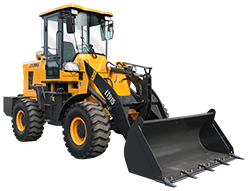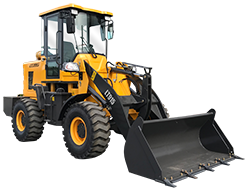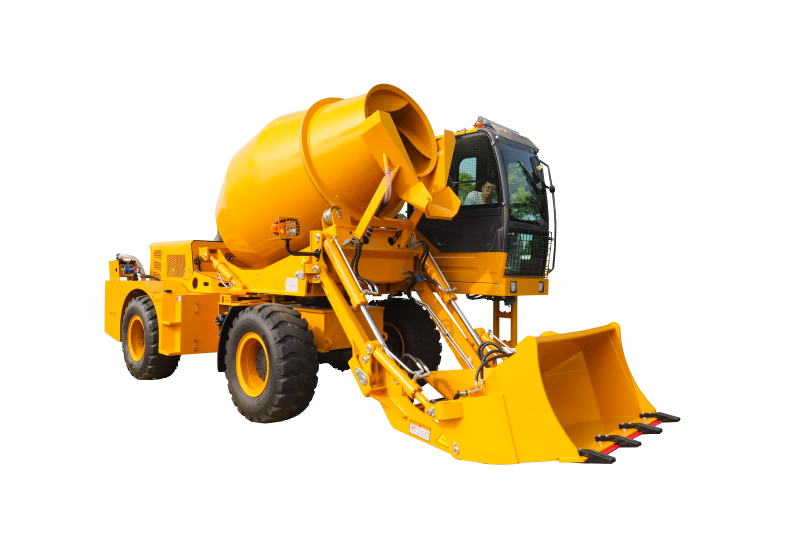
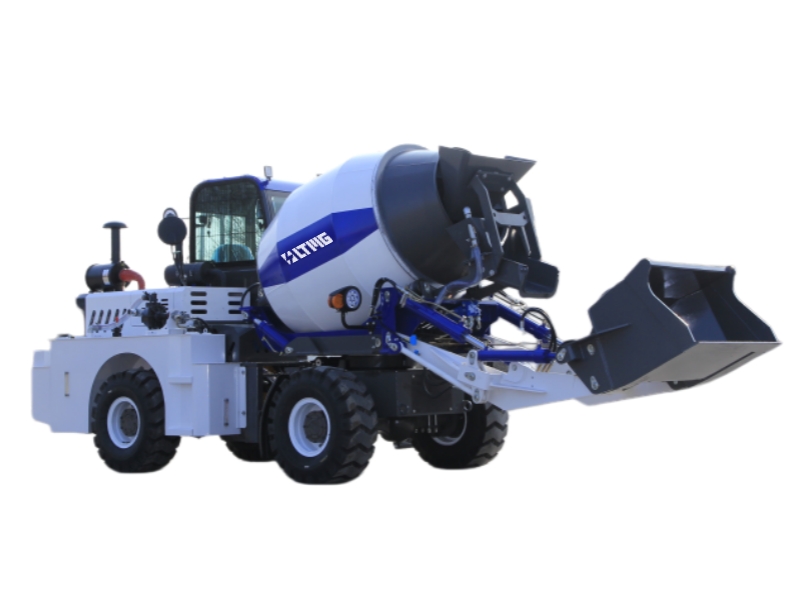
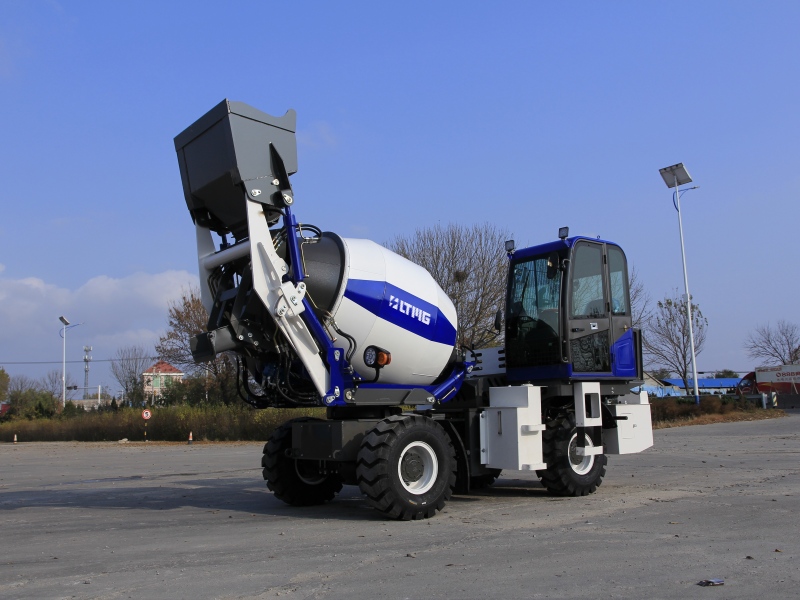
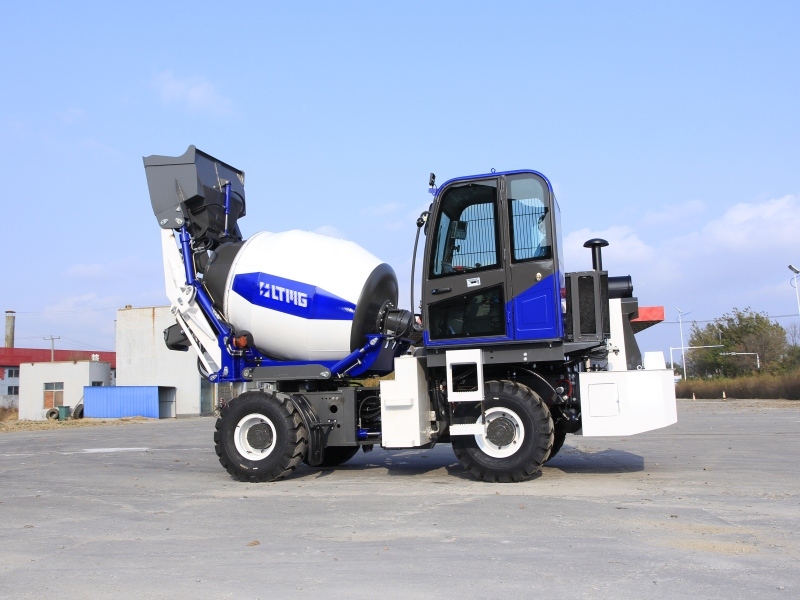
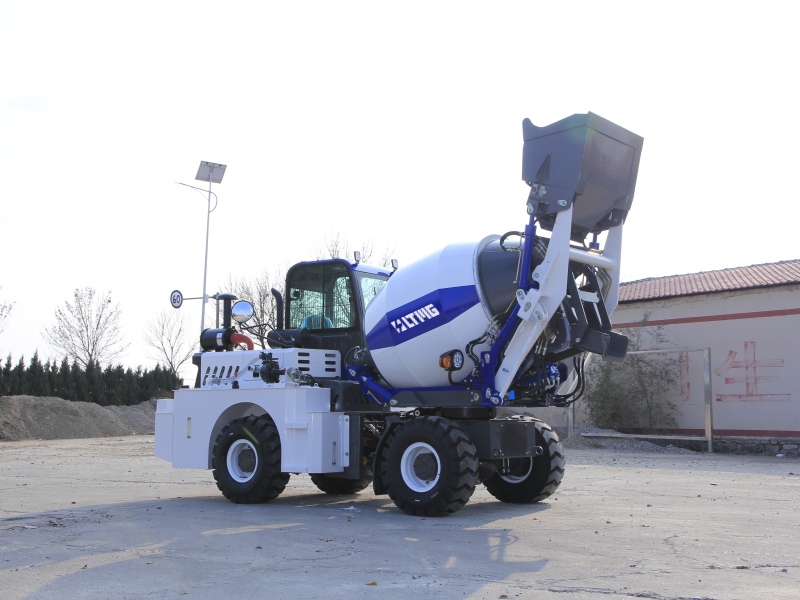
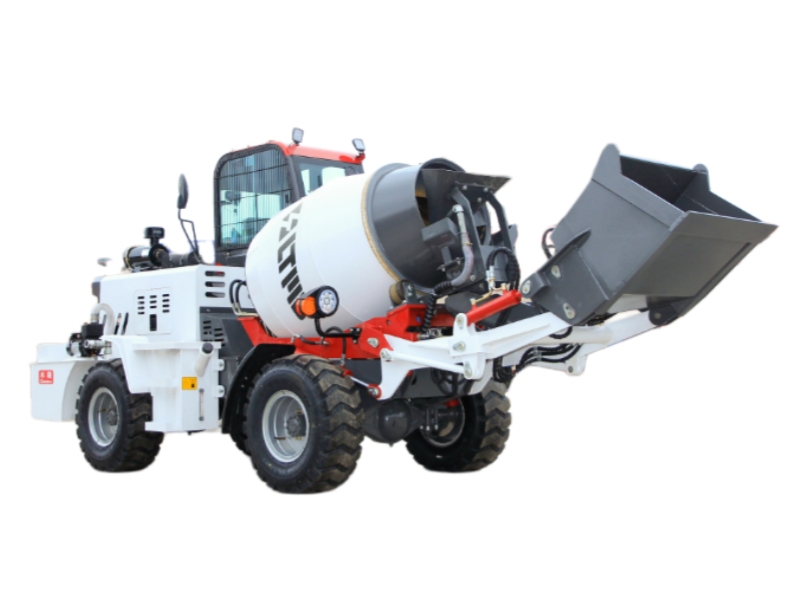
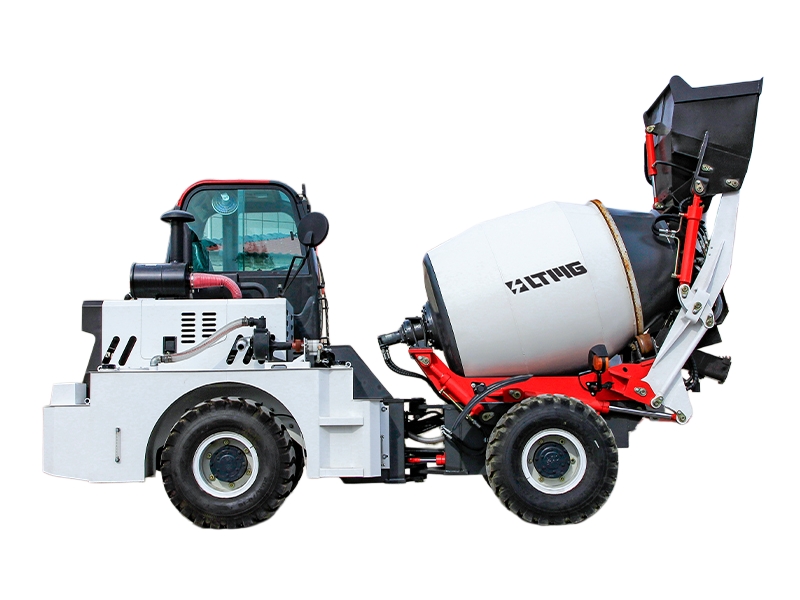
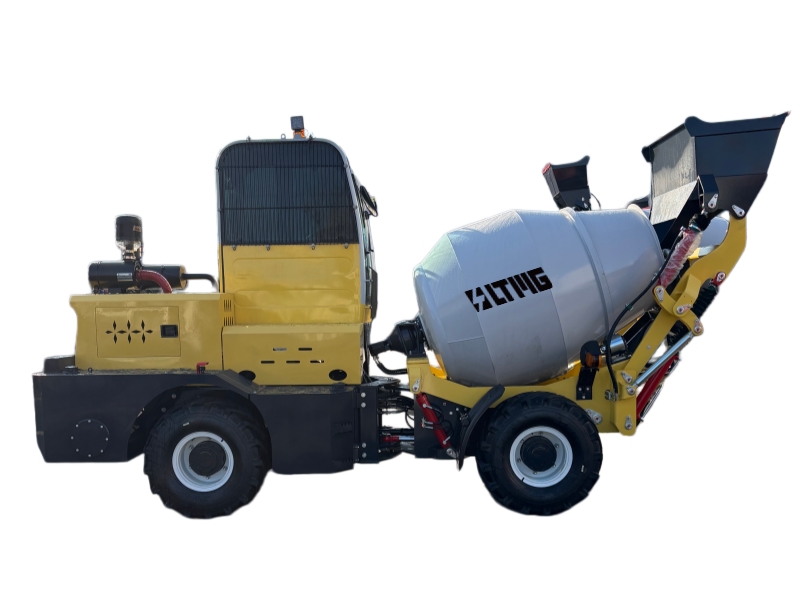
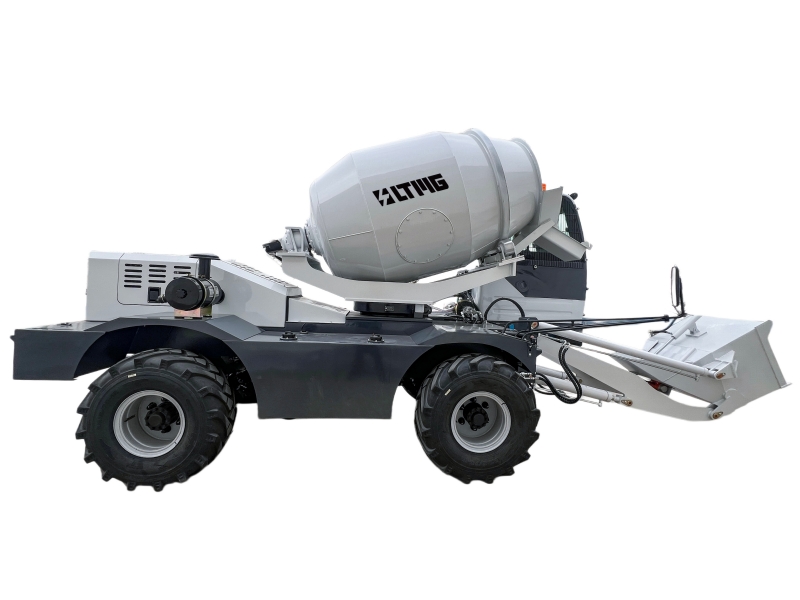
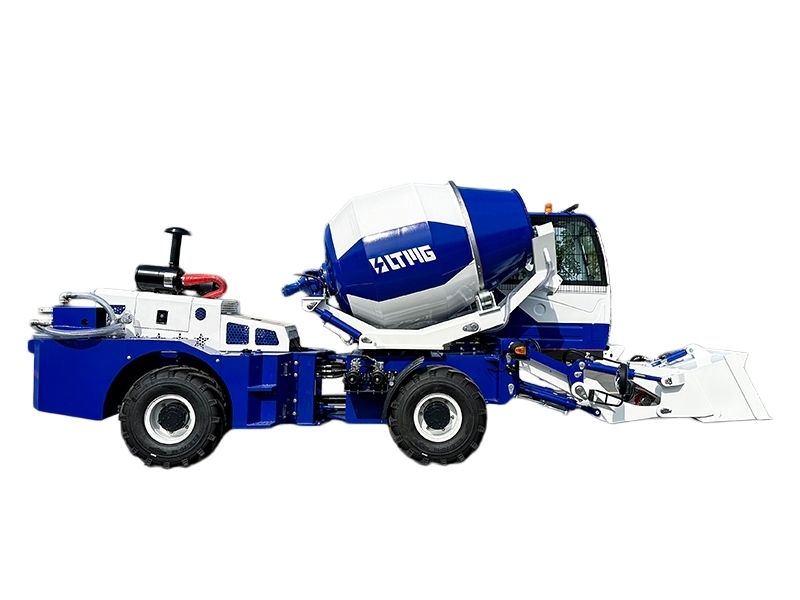
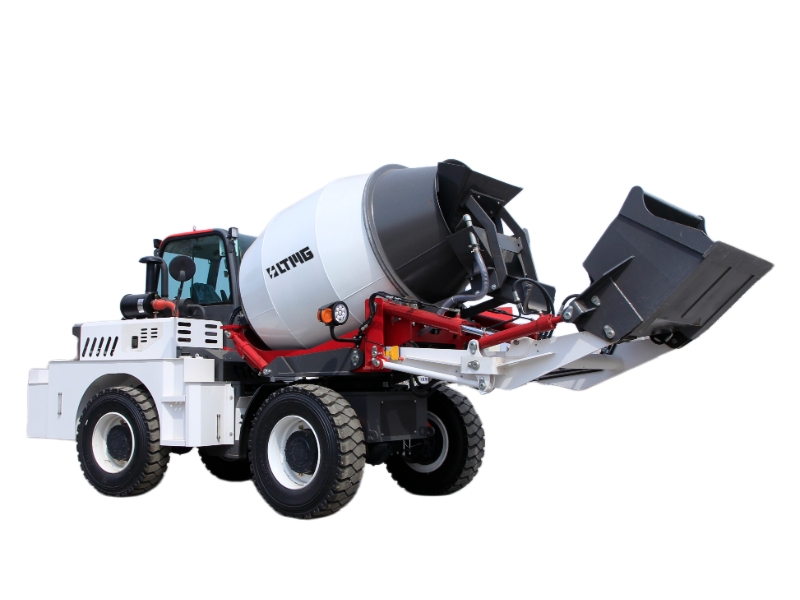
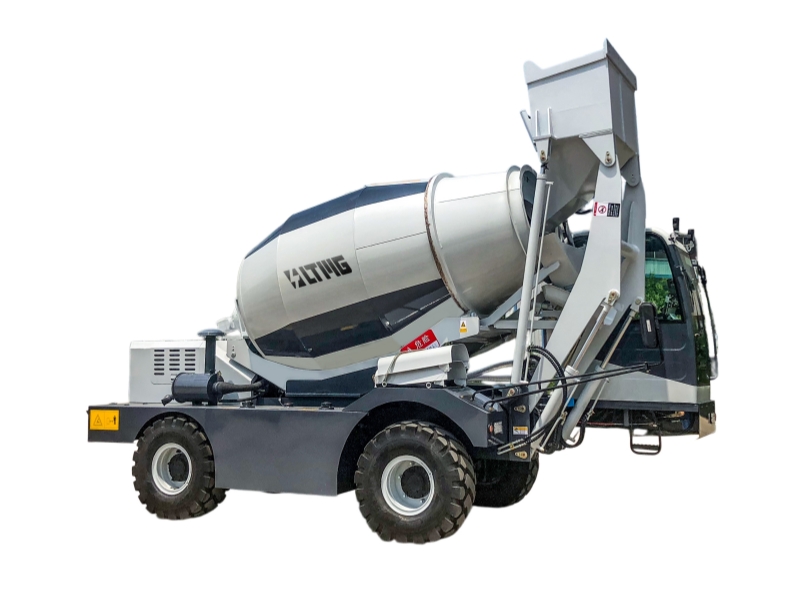
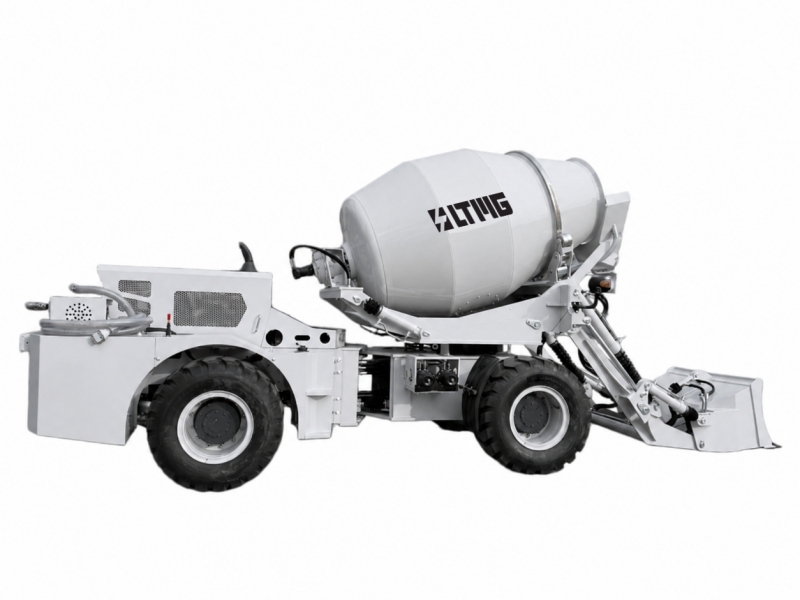
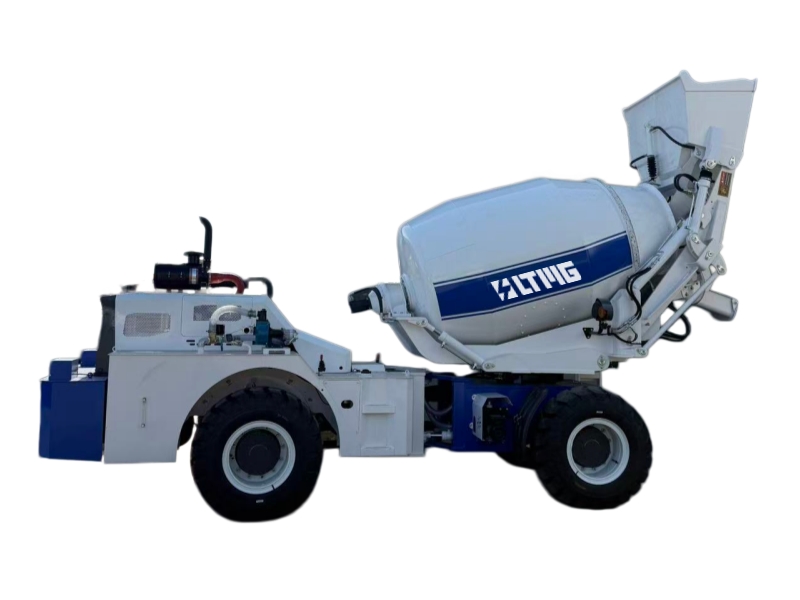
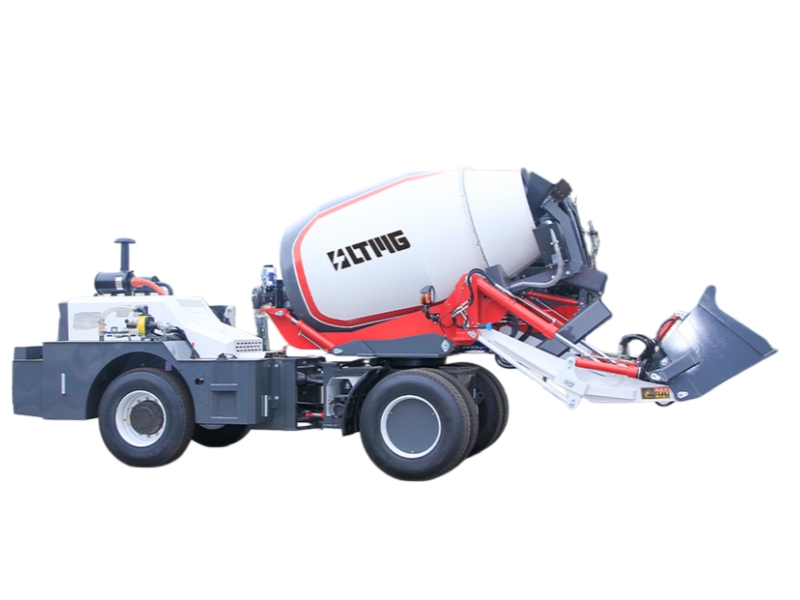
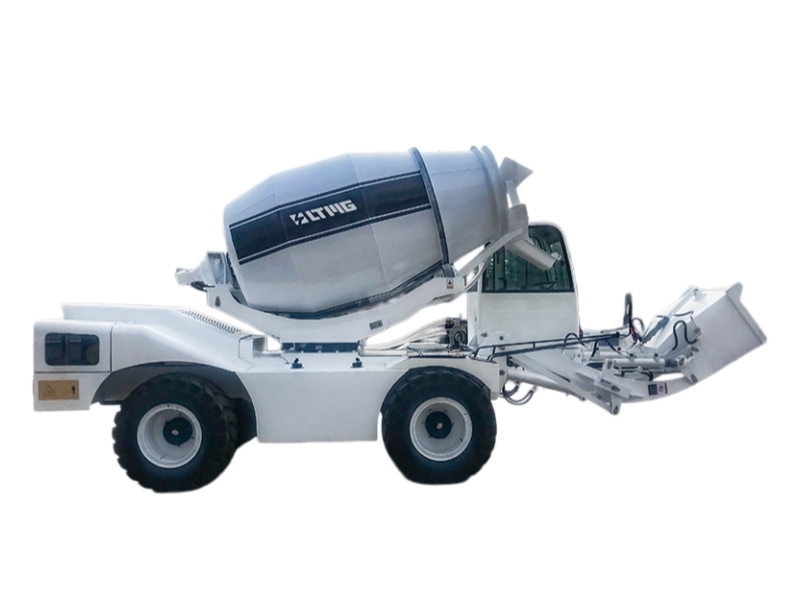
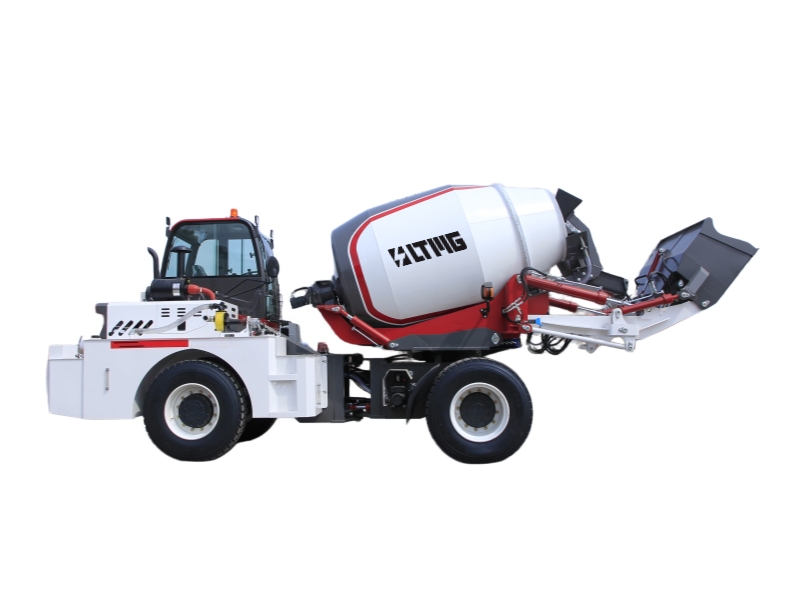
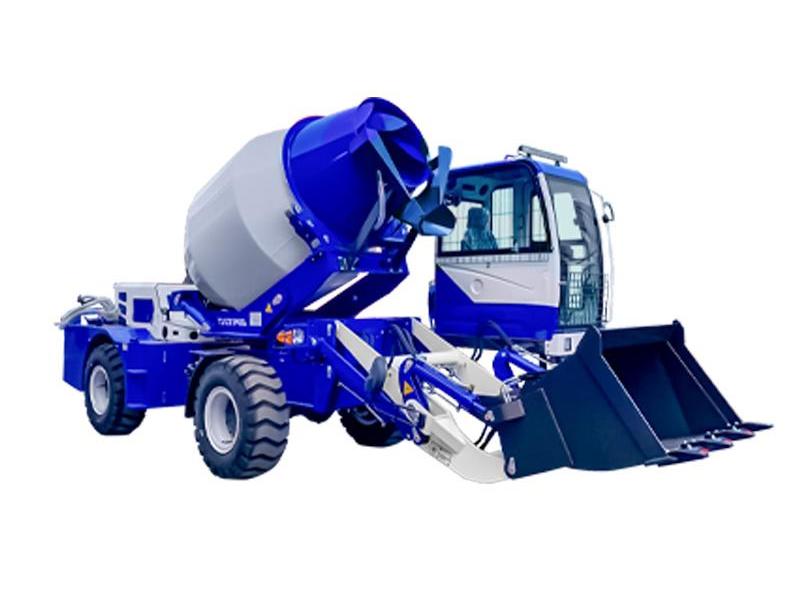
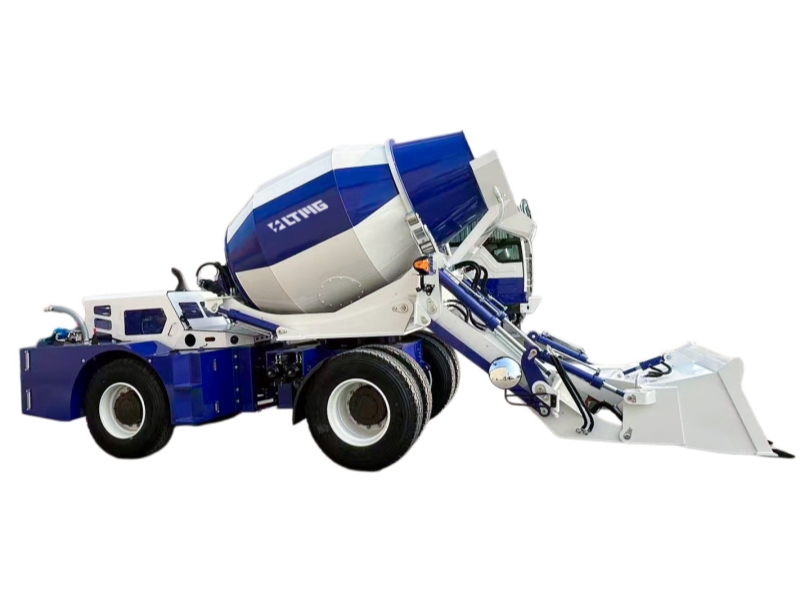
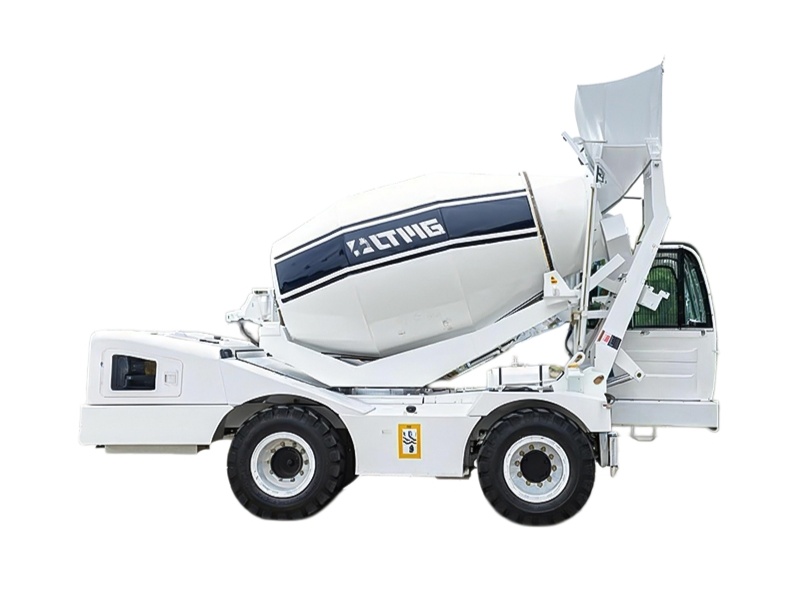
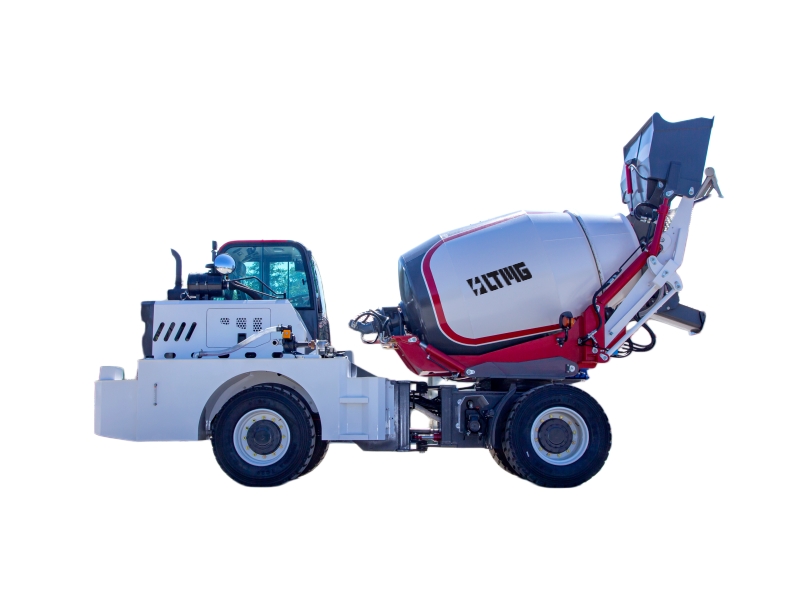
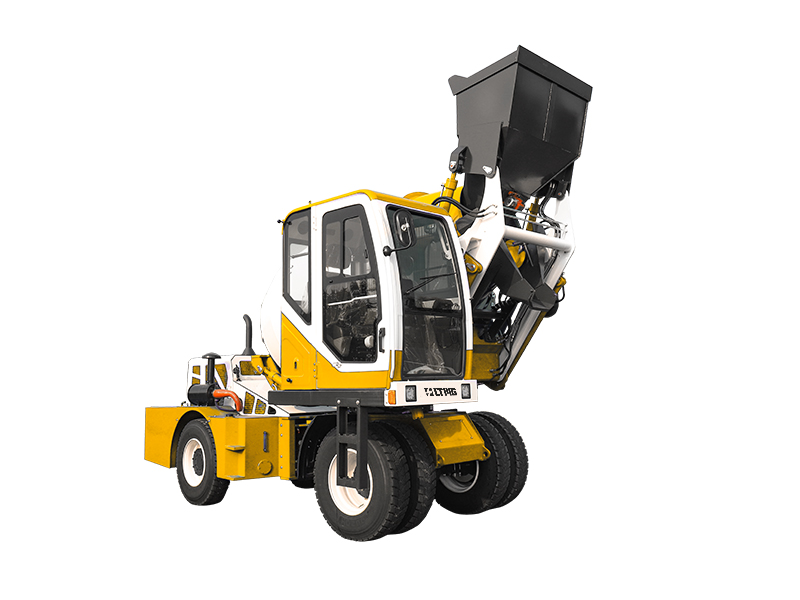
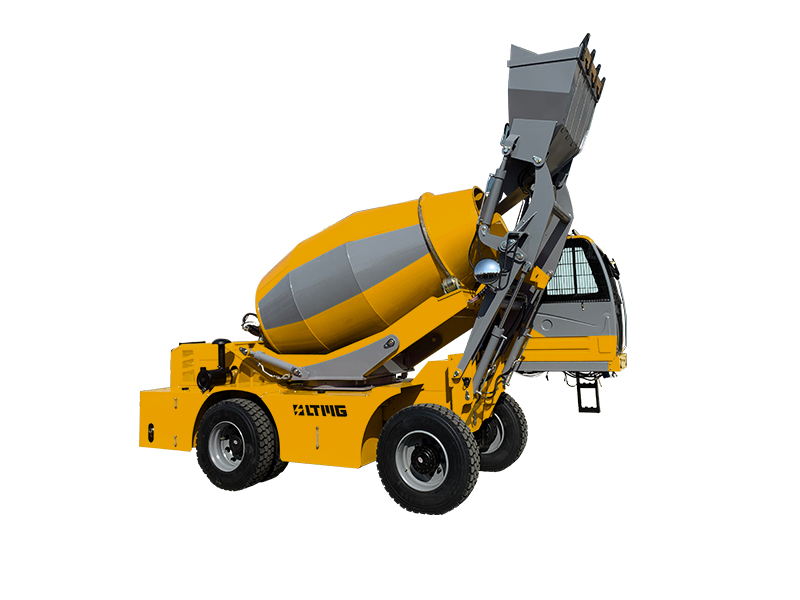
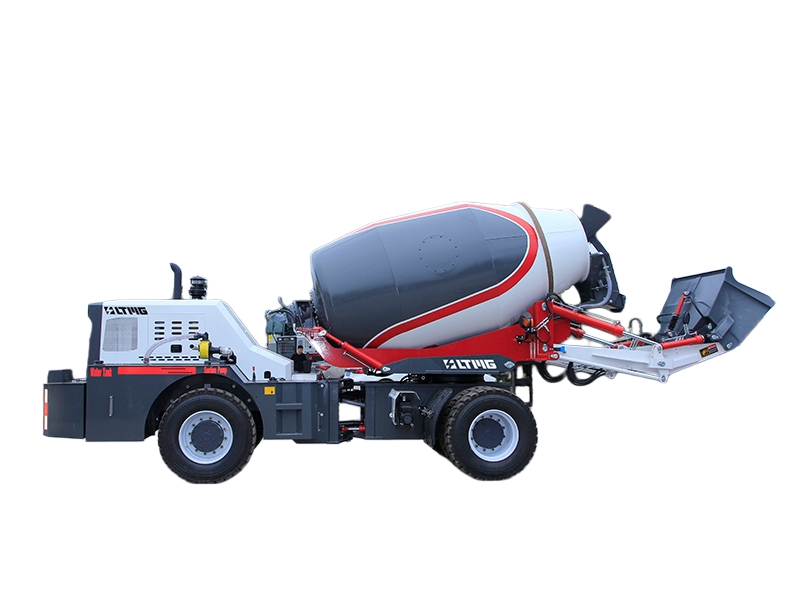
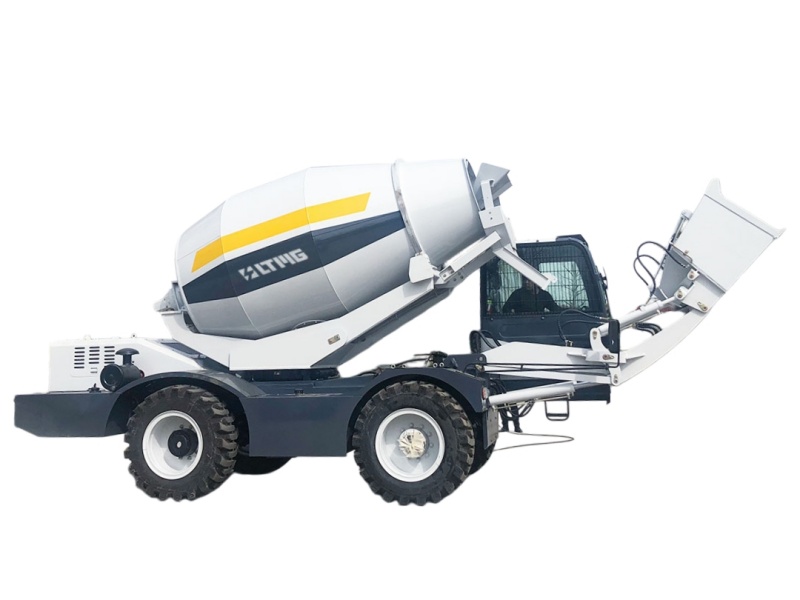
Designed for efficient on-site concrete production, the 1.5m³ self-loading concrete mixer truck combines comfortable operation, intelligent monitoring, timed water supply, and convenient cement loading. The unloading vibrator improves discharge efficiency, while the integrated design reduces manual handling, making it ideal for rural construction, roadwork, and small-scale projects.
Model :
LTM15Weight :
6200 KGLength, width, height :
5300×2350×3610 (Lifting arm) mm


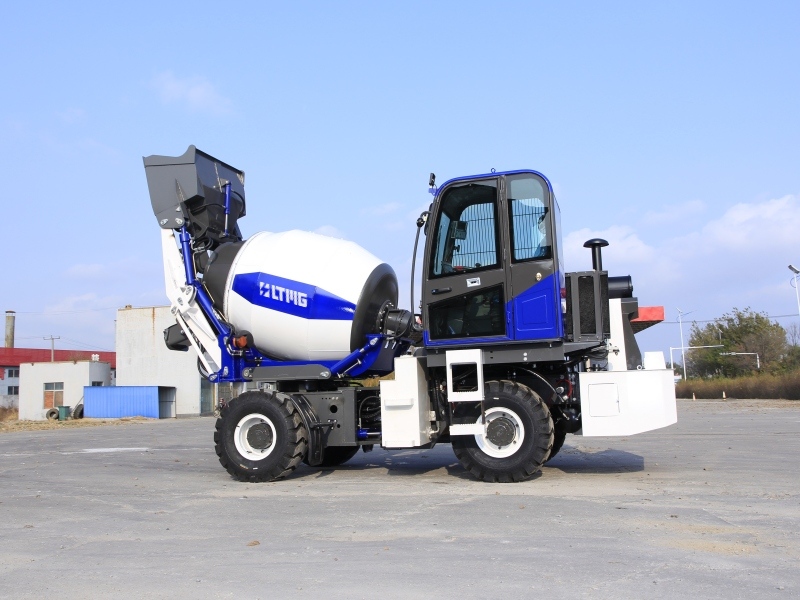
1.5m³ Concrete Mixer Truck Product Features:
1. Enhanced Driving Comfort & Visibility: Equipped with front and rear cameras, a display monitor, and a luxury suspension seat, the mixer truck provides improved visibility, safer operation, and enhanced comfort during long working hours.
2. Intelligent Instrumentation & Easy Operation: The digital instrument panel provides clear access to key operating information, helping operators monitor machine status and perform daily operations more conveniently and efficiently.
3. Timed Water Supply for Consistent Mixing: The timed water supply system enables controlled water addition during mixing, helping maintain consistent concrete quality while simplifying the overall mixing process.
4. Efficient Discharge & Reduced Material Residue: The unloading vibrator helps accelerate concrete discharge and reduce material buildup inside the mixing drum, improving unloading efficiency and minimizing material waste.
Self Mixing Concrete Truck LTMG product specifications
| Parameter | Unit | LTM15 |
| Vehicle Size (L × W × H) | mm | 5300×2350×3610 (Lifting arm); 6800×2350×2780 (Drop arm) |
| Wheelbase | mm | 2300 |
| Track Width | mm | 1490 |
| Overall Weight | kg | 6200 |
| Engine | / | YCD4M22T-105 |
| Power | kW | 77.3 |
| Gearbox | / | 265 integrated |
| Drive Axle | / | 1.8T Wheel side reduction axle |
| Tyre | / | 20.5/70-16 |
| Capacity of Bucket | m³ | 0.4 |
| Stirring Capacity | m³ | 1.5 |
| Reduction Ratio | / | 1:28 |
| Rotate Speed | laps/minute | ≥15 |
| Reducer | / | Made in China |
| Running Speed | km/h | 35 |
| Shaft Number Traction Type | / | 4×4 |
| Water Tank Capacity | L | 500 |
| Diesel Tank Capacity | L | 110 |
| Hydraulic Tank Capacity | L | 110+18 |
With technological innovation, our product configuration and parameters will continue to change without notice;
if there is any doubt, the specific confirmation of our international trade sales shall prevail;
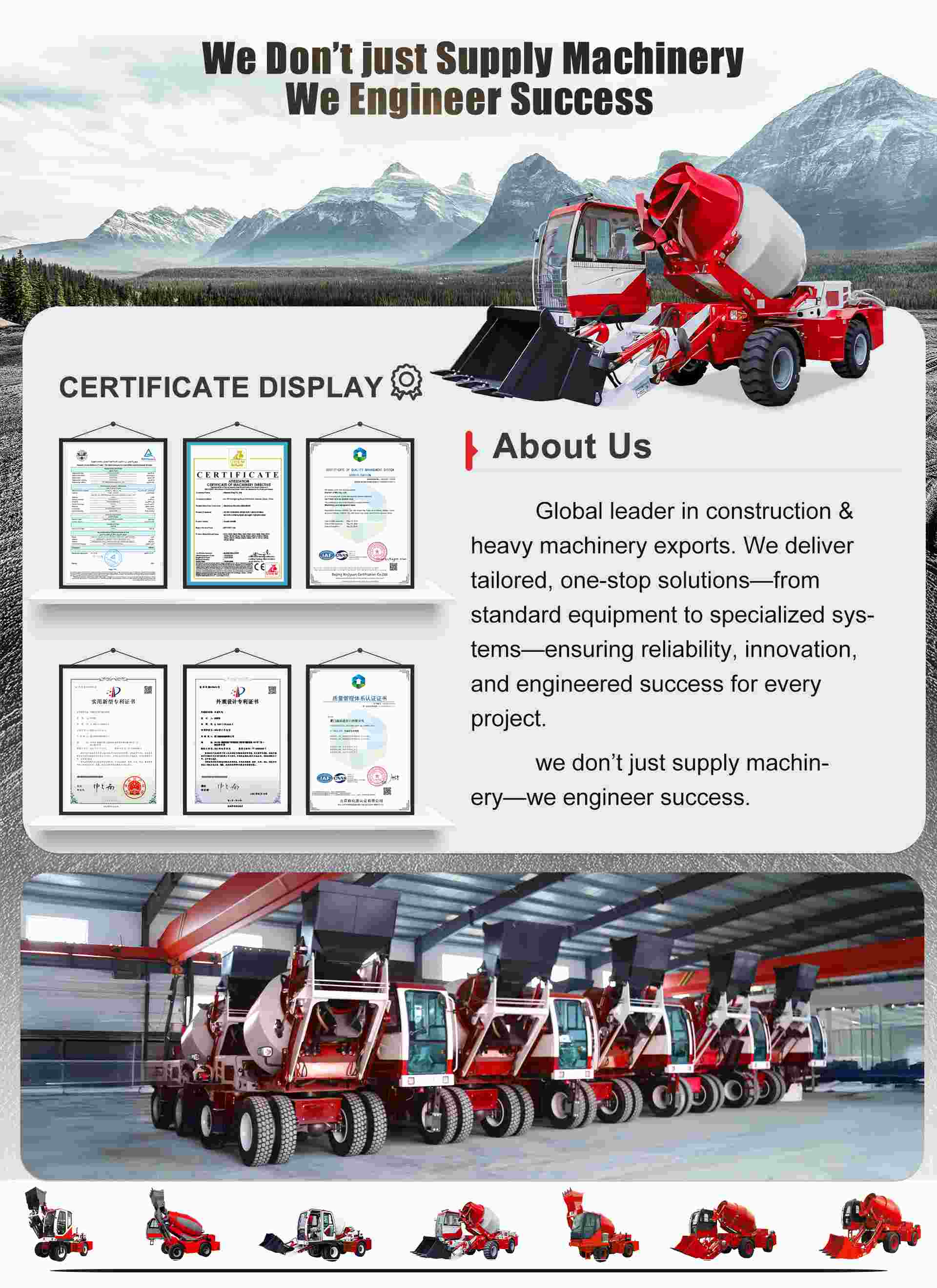
About the LTMG Factory
FAQ
A: Yes. As altitude increases, lower air density can reduce the actual output of a diesel engine, particularly when a self-loading concrete mixer is fully loaded, climbing slopes, or operating continuously under heavy loads. For high-altitude construction projects, it is recommended to provide the actual working altitude in advance and consider a model with sufficient power reserve or a turbocharged engine. The engine cooling system and local fuel quality should also be evaluated rather than comparing models based only on rated horsepower.
Q: What Information Is Needed to Select the Right Self-Loading Concrete Mixer?
A: To select a suitable self-loading concrete mixer, provide information such as required daily concrete output, concrete grade, jobsite terrain, road width, maximum slope, working altitude, concrete discharge requirements, daily operating hours, and local climate. These factors help determine the appropriate mixer capacity, engine power, drivetrain, tire configuration, and optional equipment for the specific application.
Q: What Spare Parts Should I Prepare for a Self-Loading Concrete Mixer?
A: For remote construction sites, it is recommended to keep commonly used maintenance and replacement parts on hand, including filters, belts, seals, hydraulic hoses, electrical components, bucket teeth, and other frequently used wear parts. Preparing a basic self-loading concrete mixer spare parts kit can help minimize equipment downtime and keep the machine operating efficiently.
Q: Which Parts of a Self-Loading Concrete Mixer Wear Out Most Quickly?
A: Frequently replaced wear parts include bucket teeth, cutting edges, mixing blades, discharge chutes, seals, hydraulic hoses, tires, pins, and bushings. Their service life depends on factors such as aggregate hardness, daily operating hours, working conditions, maintenance practices, and operator habits. Regular inspection and timely replacement can help maintain the performance and reliability of the self-loading concrete mixer.
Tags :
Tel : +86 195 5920 7570
Email : market@ltmg.com
Whatsapp : +86 195 5920 7570
Add : LTMG Group, Electronics City(Xiamen) International Innovation Center, No.23, Duiying Road, Jimei District, Xiamen, China
Get the latest Product Information & Offer Information