Construction sites face complex tasks and tight schedules. Relying on a single traditional machine often makes it difficult to balance efficiency, flexibility, and stability. With reliable digging and loading performance, backhoe loaders have become widely used equipment in municipal projects, construction works, landscaping, and agricultural operations.
This article provides a complete overview of LTMG backhoe loaders for sale, focusing on LTMG’s typical models, including structural features, model differences, core advantages, and practical selection advice to help you choose the right machine for your working conditions.
A backhoe wheel loader is a versatile construction machine that combines a front loader bucket with a rear excavator arm.
The front bucket is mainly used for loading, transporting soil, gravel, or construction materials, while the rear backhoe is designed for trenching, excavation, and light digging operations. Thanks to this dual-purpose design, backhoe loaders can efficiently handle multiple tasks on a single job site, making them essential equipment for municipal construction, building projects, and landscaping work.

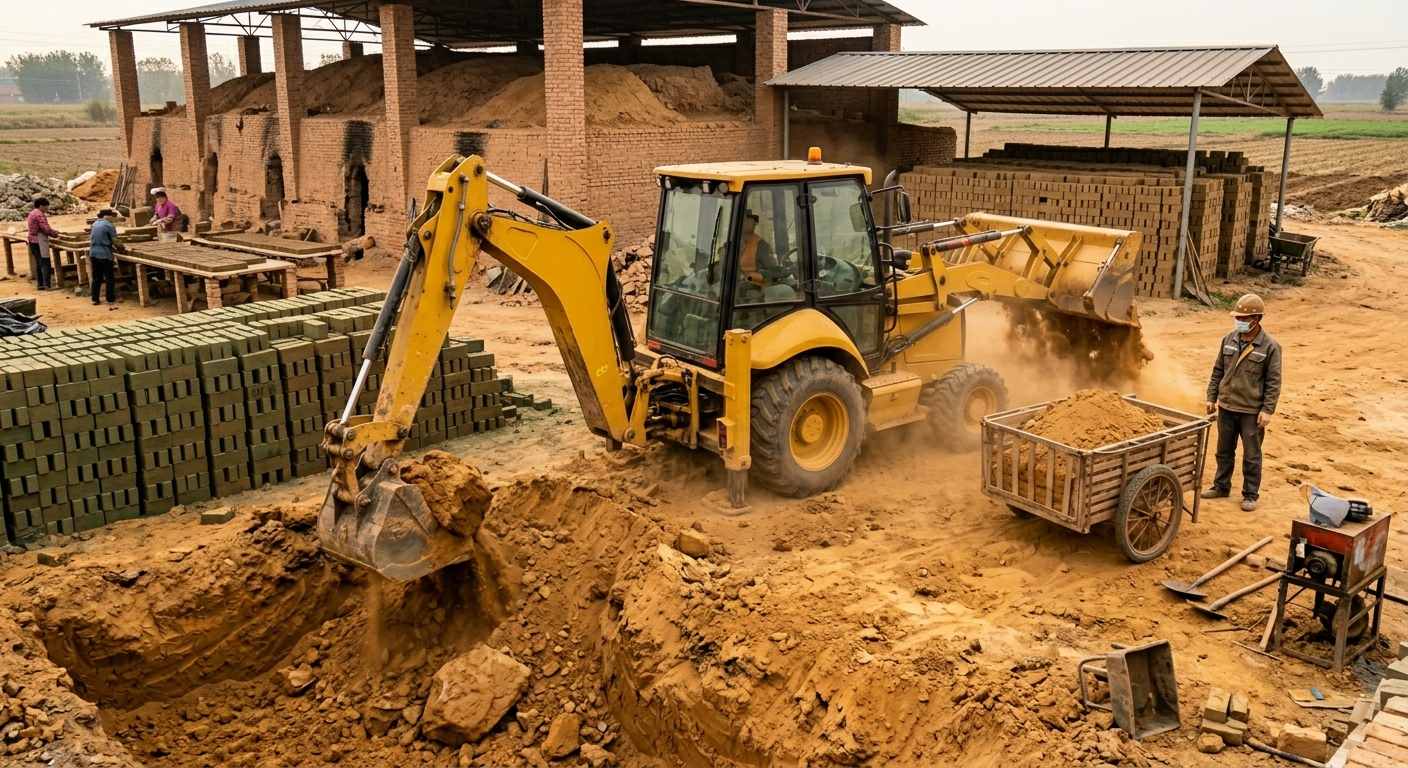
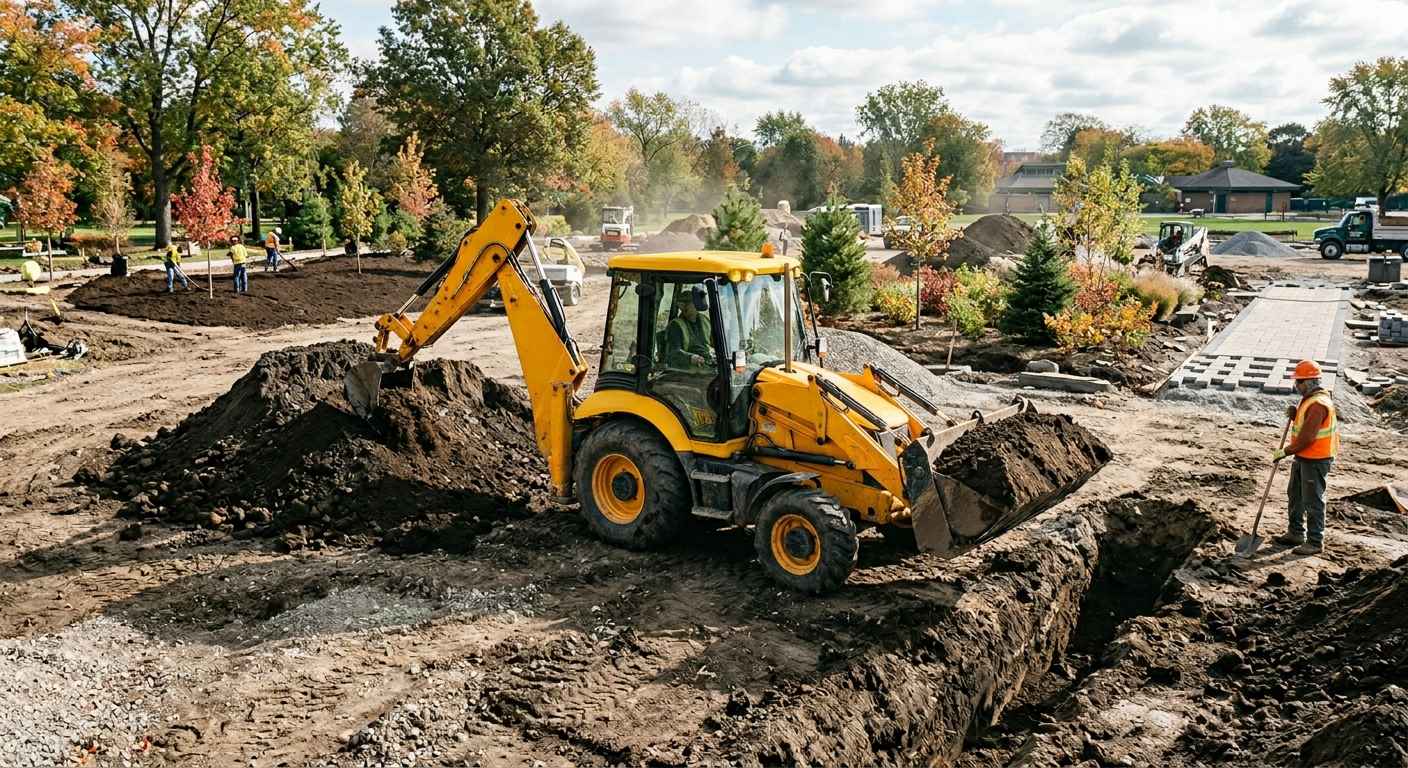
In these applications, a backhoe loader can perform excavation, loading, and transportation tasks with a single machine, improving job site efficiency and reducing equipment costs.
LTMG backhoe loaders deliver reliable performance across various construction environments through the following advantages:
1. Reliable Powertrain System
Equipped with a WP4G95E221 engine (optional Cummins engine), the machine delivers sufficient power reserve with low noise, reduced fuel consumption, and compliant emissions performance. It is paired with an Italian Carraro transmission system, offering optional 2WD or 4WD configurations. Combined with a differential lock and wet braking system, it ensures stable driving performance and strong traction under various working conditions.
2. Efficient Operation & Easy Gear Shifting
The imported four-speed synchronized transmission system enables electro-hydraulic forward and reverse shifting without a clutch, making operation easier and smoother. The hydraulic clutch system and disengagement button allow quick gear changes according to road conditions, improving overall working cycle efficiency.
3. Precise Hydraulic Control
An open-center hydraulic system combined with a high-efficiency gear single pump ensures smooth, responsive, and precise digging operations. The system also supports attachments such as hydraulic breakers, enhancing the machine’s versatility for different job requirements.
4. Safety & Operator Comfort
The maintenance-free wet braking system and differential lock improve operational safety and reliability. The fully enclosed ROPS cab provides a spacious working environment with excellent all-round visibility, ensuring operator comfort and safety during long working hours.
5. Excellent Travel Performance
With a 4 forward and 4 reverse gear configuration, the machine can reach a maximum travel speed of over 40 km/h, enabling fast site-to-site movement. The ergonomic control system reduces operator effort and adapts well to different construction work rhythms.
When choosing a backhoe loader, the outrigger structure directly affects digging stability, flexibility, and job site efficiency.
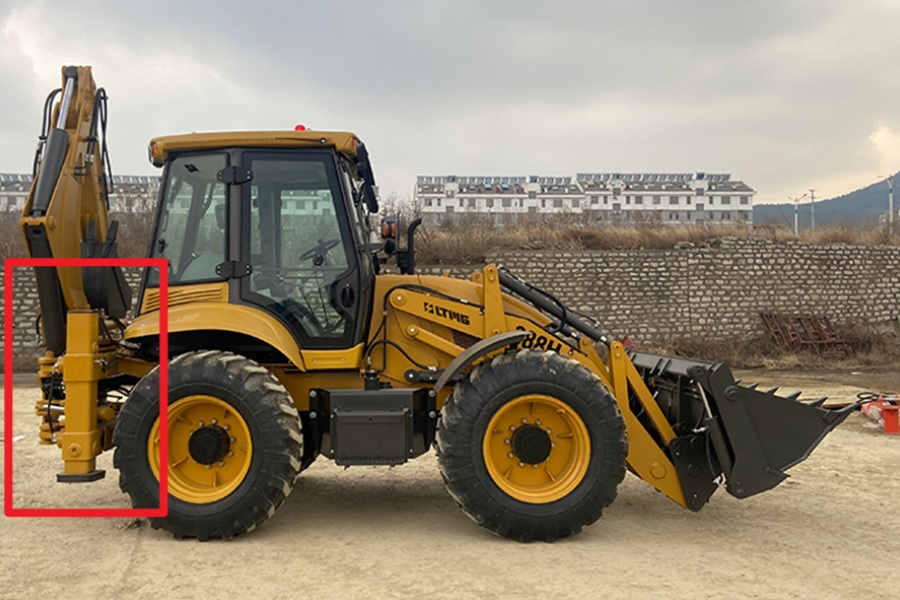
H-Type Outriggers
H-type outriggers feature a side-shift function, allowing the backhoe arm to move laterally without repositioning the machine. After retracting the digging arm, the machine occupies less space, making it ideal for narrow job sites and confined working environments.
However, compared with stabilizer outriggers, H-type outriggers offer slightly lower structural rigidity.
Stabilizer Outriggers
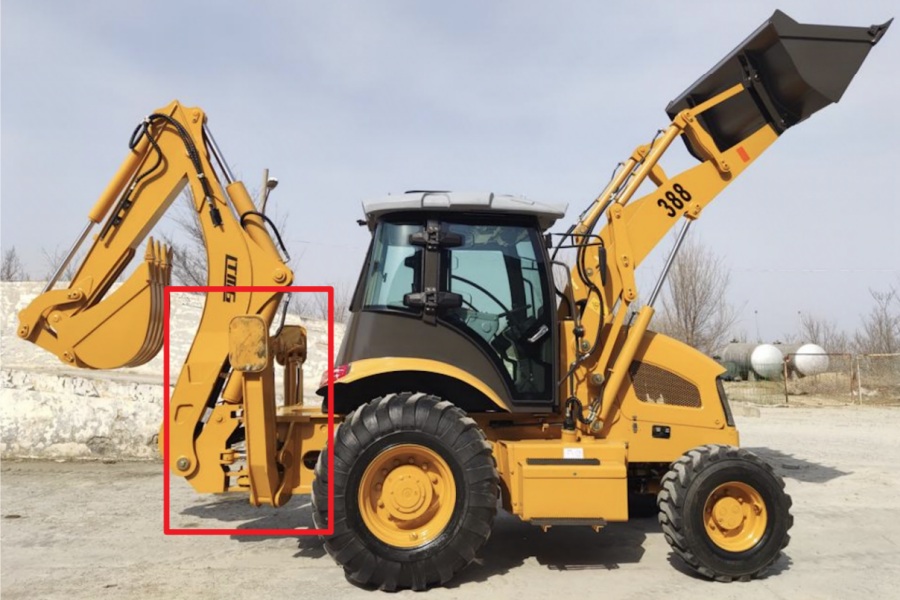
Stabilizer outriggers provide stronger rigidity and better digging stability, making them suitable for municipal construction, road work, and heavy-duty excavation.
The trade-off is reduced flexibility in tight spaces because they occupy a larger operating area and do not support side-shift functionality.
How to Choose the Right Backhoe Loader
Different backhoe loader models vary significantly in frame structure, digging stability, operating range, and application suitability. Understanding these differences helps improve equipment selection accuracy.
|
Model |
||||
|
Key Features |
Compact frame, small turning radius |
Side-shift + telescopic structure |
Integrated rigid frame |
Telescopic backhoe arm |
|
Best Applications |
Small municipal and agricultural work |
Wall-side and pipeline construction |
Municipal projects and standard earthmoving |
Deep trench and long-reach operations |
|
Main Advantages |
Strong mobility in narrow spaces |
Adjust digging position without moving machine |
Stronger digging stability |
Larger digging depth and working radius |
|
Limitations |
Not ideal for continuous heavy-duty digging |
Requires more operating space |
No side-shift or telescopic arm |
More complex structure and heavier machine |
Recommended Model Selection
LTMG WZ30-25 → An economical multi-purpose backhoe for sale suitable for light construction and compact job sites.
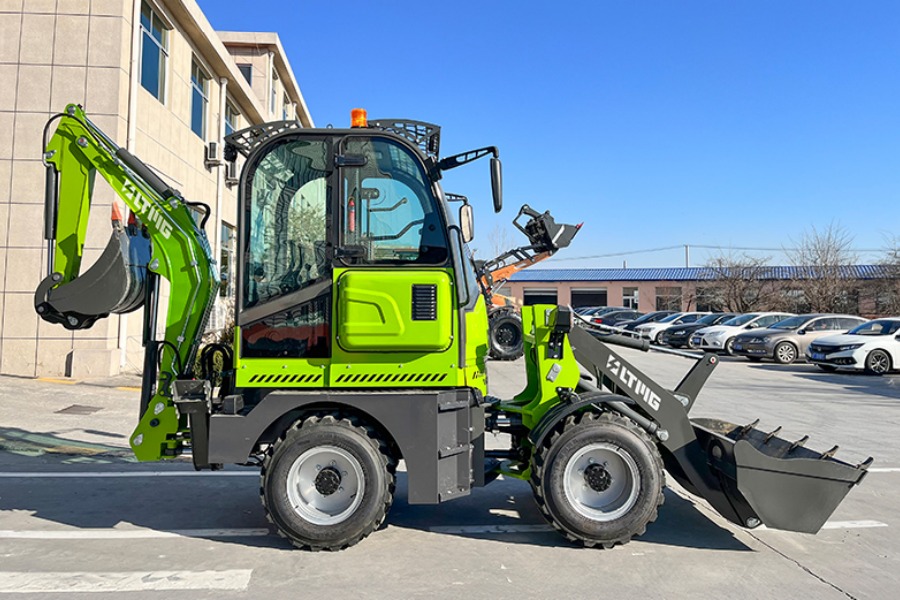
LTMG BLT388H-I → Designed for precision operations in narrow spaces, especially wall-side and utility construction.
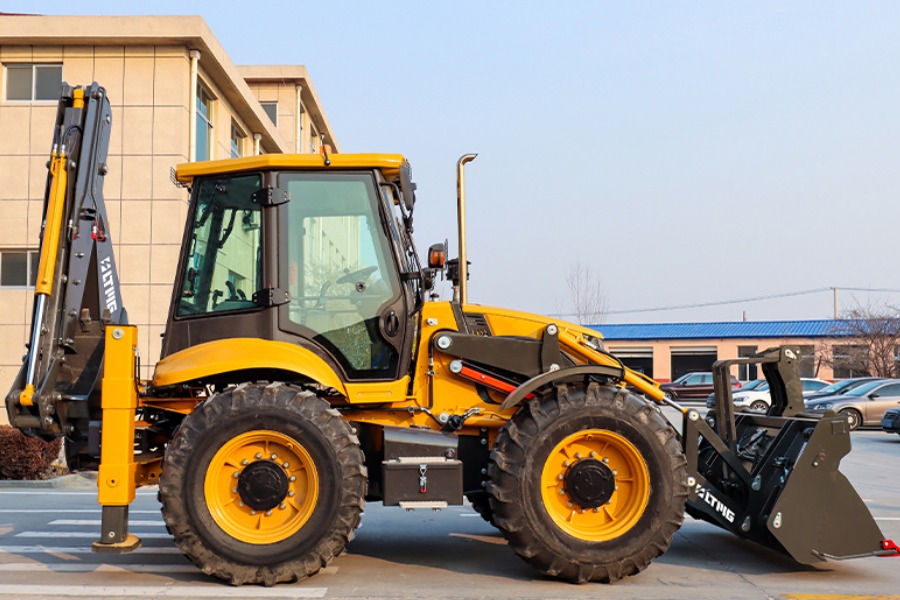
LTMG BLT388H-III → An enhanced long-reach backhoe loader suitable for deep trenching and extended working range applications.
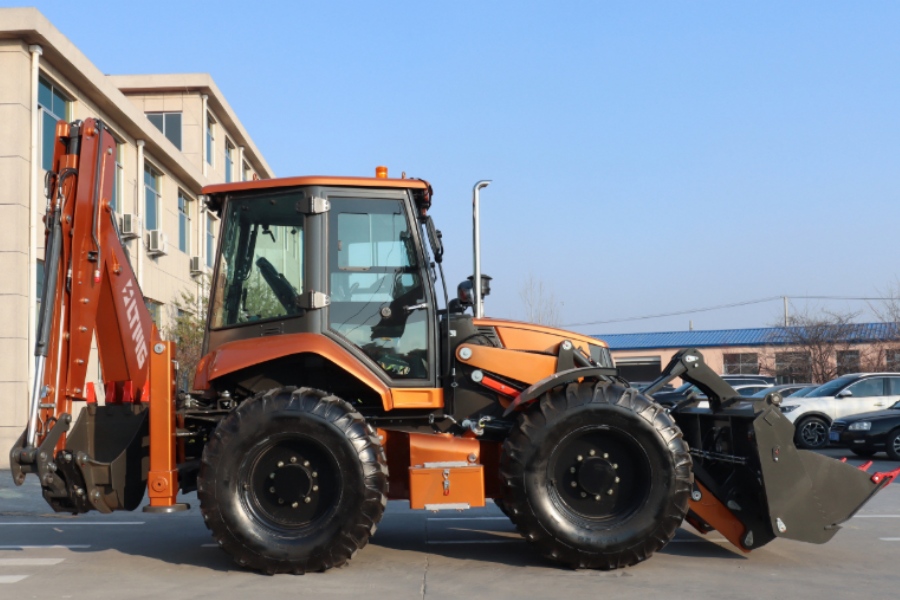
LTMG BLT388H-II → A standard engineering backhoe loader for municipal projects and general construction work.
LTMG backhoe loaders support various attachments, allowing one machine to perform multiple construction tasks efficiently.
Hydraulic Breaker
Grass Fork / Log Grapple
Trencher
Buckets (Multiple Sizes Available)
By planning attachment combinations and usage sequences in advance, LTMG backhoe loaders can perform breaking, trenching, loading, and material handling operations on the same job site while maintaining high efficiency and extending machine service life.
Choosing the right backhoe loader is essential for improving construction efficiency and operational safety. By selecting the correct model, outrigger configuration, and attachments according to job site conditions and workload requirements, contractors can maximize productivity while reducing operating costs.
LTMG provides reliable backhoe loaders for sale for a wide range of applications, from municipal construction to agricultural and landscaping projects. For professional equipment recommendations and customized solutions, contact the LTMG team today.
A backhoe loader combines a rear excavator arm with a front loader bucket, allowing it to perform both digging and material handling tasks. A wheel loader mainly focuses on loading and transporting materials such as soil, gravel, and debris.
An excavator is a specialized digging machine with strong excavation force and deep digging capability, making it suitable for large-scale earthmoving and heavy construction projects. A backhoe loader is more compact, flexible, and versatile, combining both digging and loading functions, making it ideal for small to medium-sized job sites and multi-purpose working conditions.

Tel : +86 195 5920 7570
Email : market@ltmg.com
Whatsapp : +86 195 5920 7570
Add : LTMG Group, Electronics City(Xiamen) International Innovation Center, No.23, Duiying Road, Jimei District, Xiamen, China


Get the latest Product Information & Offer Information



