blog
  • Backhoe Loader Guide: Applications, Types & Model Comparison
    Backhoe Loader Guide: Applications, Types & Model Comparison May 29, 2026
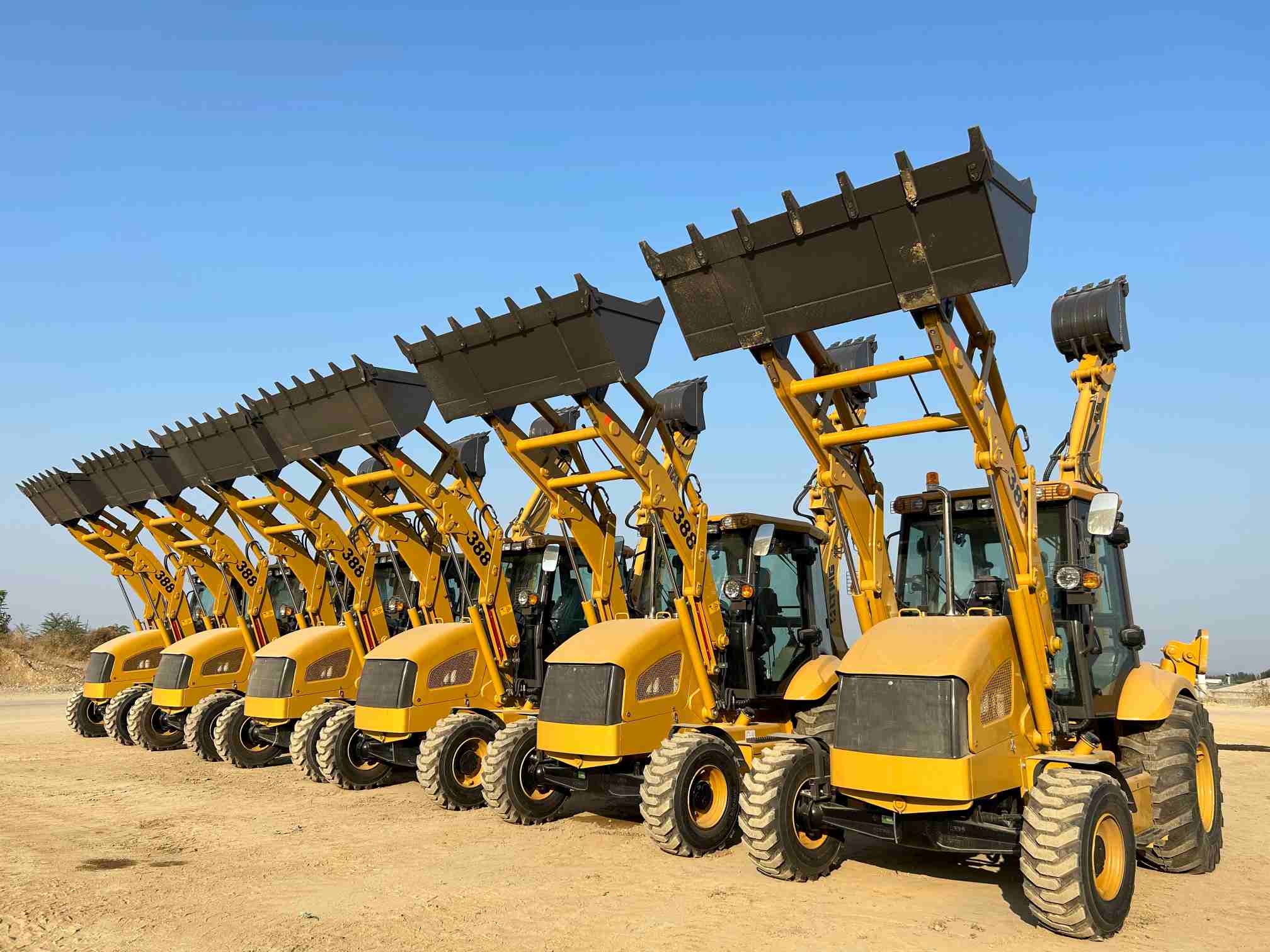
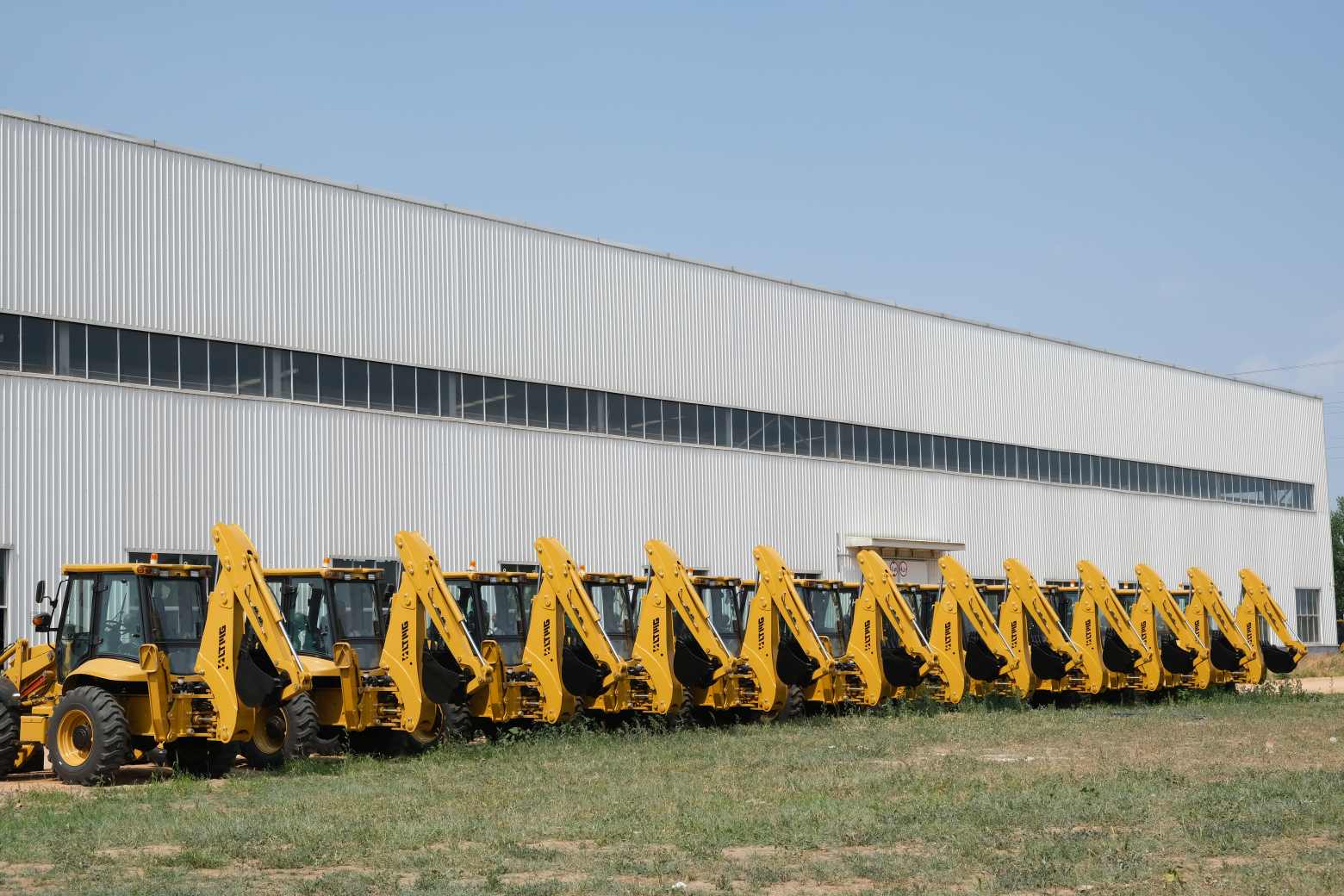
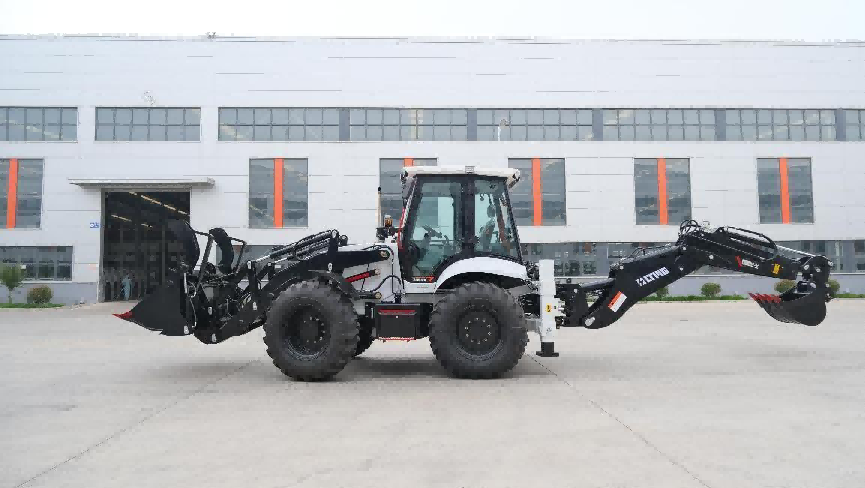
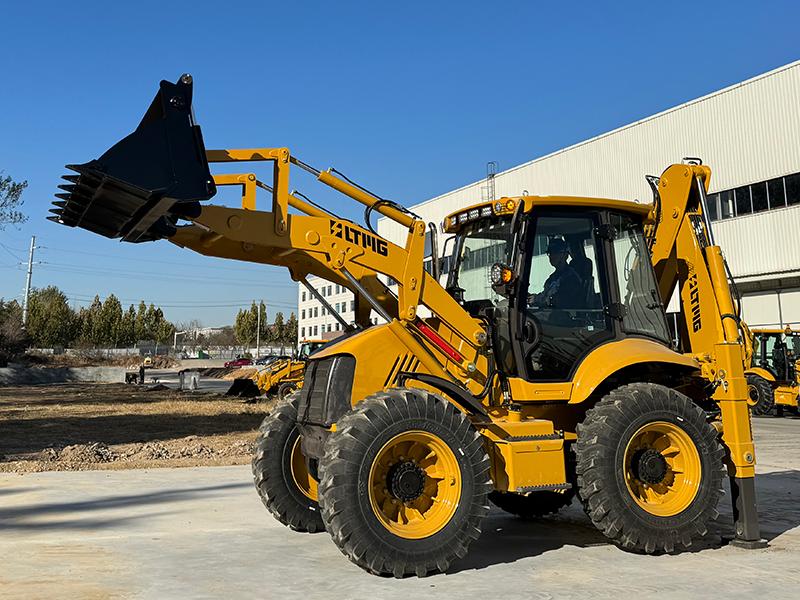
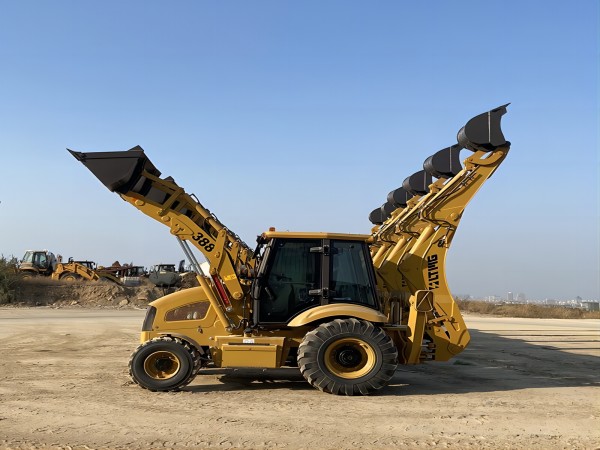
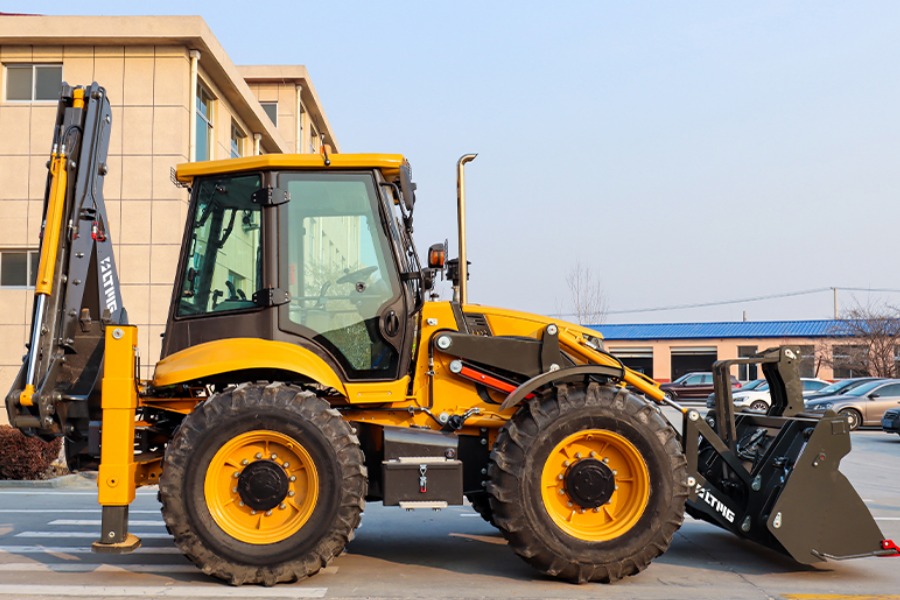
    Construction sites face complex tasks and tight schedules. Relying on a single traditional machine often makes it difficult to balance efficiency, flexibility, and stability. With reliable digging and loading performance, backhoe loaders have become widely used equipment in municipal projects, construction works, landscaping, and agricultural operations. This article provides a complete overview of LTMG backhoe loaders for sale, focusing on LTMG’s typical models, including structural features, model differences, core advantages, and practical selection advice to help you choose the right machine for your working conditions. What Is a Backhoe Loader? A backhoe wheel loader is a versatile construction machine that combines a front loader bucket with a rear excavator arm. The front bucket is mainly used for loading, transporting soil, gravel, or construction materials, while the rear backhoe is designed for trenching, excavation, and light digging operations. Thanks to this dual-purpose design, backhoe loaders can efficiently handle multiple tasks on a single job site, making them essential equipment for municipal construction, building projects, and landscaping work. Common Applications of Backhoe Loaders Municipal Construction Road maintenance Pipeline installation Utility trenching   Building Construction Earthmoving for brick factories Material handling Light excavation work   Landscaping & Agriculture Digging drainage trenches Soil transportation Land leveling operations In these applications, a backhoe loader can perform excavation, loading, and transportation tasks with a single machine, improving job site efficiency and reducing equipment costs. Core Advantages of LTMG Backhoe Loaders LTMG backhoe loaders deliver reliable performance across various construction environments through the following advantages: 1. Reliable Powertrain System Equipped with a WP4G95E221 engine (optional Cummins engine), the machine delivers sufficient power reserve with low noise, reduced fuel consumption, and compliant emissions performance. It is paired with an Italian Carraro transmission system, offering optional 2WD or 4WD configurations. Combined with a differential lock and wet braking system, it ensures stable driving performance and strong traction under various working conditions. 2. Efficient Operation & Easy Gear Shifting The imported four-speed synchronized transmission system enables electro-hydraulic forward and reverse shifting without a clutch, making operation easier and smoother. The hydraulic clutch system and disengagement button allow quick gear changes according to road conditions, improving overall working cycle efficiency. 3. Precise Hydraulic Control An open-center hydraulic system combined with a high-efficiency gear single pump ensures smooth, responsive, and precise digging operations. The system also supports attachments such as hydraulic breakers, enhancing the machine’s versatility for different job requirements. 4. Safety & Operator Comfort The maintenance-free wet braking system and differential lock improve operational safety and reliability. The fully enclosed ROPS cab provides a spacious working environment with excellent all-round visibility, ensuring operator comfort and safety during long working hours. 5. Excellent Travel Performance With a 4 forward and 4 reverse gear configuration, the machine can reach a maximum travel speed of over 40 km/h, enabling fast site-to-site movement. The ergonomic control system reduces operator effort and adapts well to different construction work rhythms. H-Type Outriggers vs Stabilizer Outriggers When choosing a backhoe loader, the outrigger structure directly affects digging stability, flexibility, and job site efficiency. H-Type Outriggers H-type outriggers feature a side-shift function, allowing the backhoe arm to move laterally without repositioning the machine. After retracting the digging arm, the machine occupies less space, making it ideal for narrow job sites and confined working environments. However, compared with stabilizer outriggers, H-type outriggers offer slightly lower structural rigidity. Best for: Narrow construction areas Wall-side digging Offset trenching operations Stabilizer Outriggers Stabilizer outriggers provide stronger rigidity and better digging stability, making them suitable for municipal construction, road work, and heavy-duty excavation. The trade-off is reduced flexibility in tight spaces because they occupy a larger operating area and do not support side-shift functionality. Best for: Heavy-duty excavation Long-hour operations Standard road and municipal construction How to Choose the Right Backhoe Loader Narrow spaces and flexible trenching → H-type outriggers Stable heavy-duty excavation and long working hours → Stabilizer outriggers LTMG Backhoe Loader Model Comparison Different backhoe loader models vary significantly in frame structure, digging stability, operating range, and application suitability. Understanding these differences helps improve equipment selection accuracy. Model WZ30-25 BLT388H-I BLT388H-II BLT388H-III Key Features Compact frame, small turning radius Side-shift + telescopic structure Integrated rigid frame Telescopic backhoe arm Best Applications Small municipal and agricultural work Wall-side and pipeline construction Municipal projects and standard earthmoving Deep trench and long-reach operations Main Advantages Strong mobility in narrow spaces Adjust digging position without moving machine Stronger digging stability Larger digging depth and working radius Limitations Not ideal for continuous heavy-duty digging Requires more operating space No side-shift or telescopic arm More complex structure and heavier machine Recommended Model Selection LTMG WZ30-25 → An economical multi-purpose backhoe for sale suitable for light construction and compact job sites. LTMG BLT388H-I → Designed for precision operations in narrow spaces, especially wall-side and utility construction. LTMG BLT388H-III → An enhanced long-reach backhoe loader suitable for deep trenching and extended working range applications. LTMG BLT388H-II → A standard engineering backhoe loader for municipal projects and general construction work. Attachments & Expanded Working Capability LTMG backhoe loaders support various attachments, allowing one machine to perform multiple construction tasks efficiently. Common Attachments Hydraulic Breaker Applications: Used for breaking hard ground, concrete, or rocks, making it ideal for municipal road renovation and building demolition projects. Operating Tips: Keep the breaker vertical during operation and avoid angled impacts. Check hydraulic pressure before use. Advantages: More efficient than manual breaking methods and capable of completing hard material demolition in a short time. Grass Fork / Log Grapple Applications: Suitable for handling landscaping materials, gravel, wood, and construction waste. Operating Tips: Gently press the attachment onto the material before lifting. Ensure the load is securely gripped and avoid overloading. Advantages: Reduces manual labor while improving working speed and operational stability. Trencher Applications: Used for trench excavation in water pipeline installation, cable laying, and drainage projects. Trench width and depth can be adjusted according to project requirements. Operating Tips: Move slowly along straight or curved lines to maintain smooth trenches. For hard soil conditions, it can be used together with a hydraulic breaker. Advantages: Provides high trenching accuracy, faster construction speed, and reduces later leveling work. Buckets (Multiple Sizes Available) Applications: Suitable for earthmoving, material loading, transportation, and excavation work. Different bucket sizes and widths can be selected based on workload requirements. Operating Tips: Choose the appropriate bucket size and avoid overloading. Maintain smooth operation when handling soil, gravel, or rocks. Advantages: Highly flexible for different earthmoving tasks and improves overall working cycle efficiency. Quick Hitch System (Attachment Support) Function: Provides a standard interface that allows different attachments to be installed and removed quickly and efficiently. Operating Tips: Shut down the hydraulic system before changing attachments to ensure safety. After installation, check whether all hydraulic connections are securely fastened. Advantages: Significantly reduces downtime, improves operational continuity, and enables a single backhoe loader to handle multiple construction tasks. By planning attachment combinations and usage sequences in advance, LTMG backhoe loaders can perform breaking, trenching, loading, and material handling operations on the same job site while maintaining high efficiency and extending machine service life. Conclusion Choosing the right backhoe loader is essential for improving construction efficiency and operational safety. By selecting the correct model, outrigger configuration, and attachments according to job site conditions and workload requirements, contractors can maximize productivity while reducing operating costs. LTMG provides reliable backhoe loaders for sale for a wide range of applications, from municipal construction to agricultural and landscaping projects. For professional equipment recommendations and customized solutions, contact the LTMG team today. Frequently Asked Questions What is the difference between a backhoe and a loader? A backhoe loader combines a rear excavator arm with a front loader bucket, allowing it to perform both digging and material handling tasks. A wheel loader mainly focuses on loading and transporting materials such as soil, gravel, and debris. What is an excavator vs backhoe? An excavator is a specialized digging machine with strong excavation force and deep digging capability, making it suitable for large-scale earthmoving and heavy construction projects. A backhoe loader is more compact, flexible, and versatile, combining both digging and loading functions, making it ideal for small to medium-sized job sites and multi-purpose working conditions.
  • Why Backhoe Loaders Are the Most Versatile Equipment for Small and Mid-Sized Construction Sites
    Why Backhoe Loaders Are the Most Versatile Equipment for Small and Mid-Sized Construction Sites Jan 12, 2026
    For small and medium-sized construction projects, equipment management is often a balancing act. Tight spaces, complex workflows, and limited budgets mean that every machine must earn its keep. This is where the backhoe loader shines—a machine designed to solve the inefficiency of single-purpose equipment.     The Versatility of the Backhoe Loader: Two Machines in One The core value of a backhoe loader lies in its "dual-function" architecture. By integrating two essential construction tools into a single chassis, it eliminates the need for multiple specialized machines. Front Loader System: Capable of loading, leveling, and short-distance transport—comparable to a compact wheel loader. Rear Excavator System: Equipped with a hydraulic boom and bucket for trenching, foundation digging, and heavy lifting. For many contractors, finding a reliable backhoe loader supplier is the first step toward streamlining their fleet and reducing overhead.   Why SME Sites Prefer Backhoe Loaders 1. Superior Mobility and Space Efficiency Unlike massive excavators that require specialized heavy haulers, a backhoe loader is compact and road-legal in many regions. It can navigate narrow alleys in urban renovations or tight rural paths where larger machinery simply cannot fit. 2. Optimized Cost Control Purchasing one versatile machine is significantly more cost-effective than buying separate units. When you factor in the backhoe loader price against the combined cost of a mini-excavator and a small loader, the savings are immediate. Additionally, you only need one operator and one maintenance schedule. 3. All-Phase Utility From the first day of site clearing to the final stages of landscaping and waste removal, the backhoe loader stays busy. This high utilization rate ensures a faster return on investment (ROI).     Real-World Applications of Backhoe Loader: Where It Excels The adaptability of this equipment allows it to transition seamlessly between different project types: Residential Projects: Digging foundations for utilities, clearing construction debris, and grading driveways. Rural Infrastructure: Perfect for irrigation projects, small bridge foundations, and road widening. Municipal Maintenance: Ideal for sidewalk repairs, pipe replacements, and emergency roadwork. Emergency Repairs: Its ability to travel quickly to a site makes it the first choice for burst pipes or storm cleanup.   BLT388 backhoe loader arrives in Gladko, delivering reliable power and performance to support municipal projects and drive the city’s future growth   Function Expansion via Attachments The versatility is further enhanced by specialized tools: Hydraulic Breaker: For demolishing concrete or asphalt. Grapple: For handling irregular debris or timber. Auger: For drilling post holes and fencing. Comparative Analysis: Backhoe Loader vs. Other Equipment Feature Backhoe Loader Single-Function (Excavator/Loader) Heavy Machinery Versatility High (Digs & Loads) Low (Single Task) High Power / Low Flexibility Transport Easy (Self-drive/Standard Trailer) Requires specialized transport Complex logistics Labor Cost Low (1 Operator) High (Multiple Operators) High (Specialized Crew) Site Suitability Small to Medium Sites Variable Large-scale Projects only   Buyer’s Guide: Choosing the Right Backhoe Loader If you are looking to buy a backhoe loader, consider these four steps to ensure you get the best value: Step 1: Define Your Primary Tasks Analyze your most frequent jobs. Do you need deeper digging depth or higher loading capacity? Knowing your "power profile" helps you choose the right engine and hydraulic specs. Step 2: Site Conditions vs. Machine Size For tight urban work, prioritize "compact" models with a small turning radius. For open rural projects, a standard or heavy-duty model will offer better efficiency. Step 3: Evaluate Total Cost of Ownership (TCO) Don't just look at the initial backhoe loader price. Evaluate fuel consumption, maintenance intervals, and the availability of wear parts. A slightly higher upfront cost for a reputable brand often saves thousands in long-term repairs. Step 4: Choose a Support-Oriented Supplier A great backhoe loader supplier doesn't just sell you a machine; they provide technical support, rapid parts delivery, and reliable after-sales service. This ensures your machine stays on the job, not in the shop.   The Verdict for Small Construction Sites The backhoe loader remains the gold standard for versatility. It balances power with mobility and cost with capability. As technology advances—improving fuel economy and precision controls—this "Swiss Army knife" of construction will continue to be the cornerstone of small and medium-sized project success.   Ready to Boost Your Construction Efficiency? In the competitive world of small and medium-scale construction, choosing the right equipment is the most critical decision for your bottom line. As a leading backhoe loader supplier, we specialize in delivering high-quality, versatile machines tailored to your specific project needs and operational challenges.   Whether you are looking for a competitive backhoe loader price for a single unit or need to consult on a fleet upgrade, our experts are ready to provide you with a customized solution and a transparent, comprehensive quote.   [Contact Us Today] to find the perfect backhoe loader for your business and take your project productivity to the next level!    
  • The Power of Versatility: Why Every Contractor Needs a Backhoe Loader in Their Fleet
    The Power of Versatility: Why Every Contractor Needs a Backhoe Loader in Their Fleet Nov 10, 2025
    I. Introduction: The Backhoe Loader's Indispensable Role In the vast spectrum of construction equipment, the backhoe loader (often called the "two-way busy" in some regions) holds a unique and irreplaceable position. It is not designed for the extreme depth of an excavator or the dedicated heavy hauling of a large wheel loader. Instead, it earns its widespread respect through its distinctive "front-loading, rear-digging" duality. For any contractor prioritizing cost efficiency and operational flexibility, the backhoe loader is more than just a machine; it is a one-stop solution for navigating the challenges of small to medium-sized projects. This article, grounded in real-world operational benefits, analyzes why the backhoe loader is an essential cornerstone of any modern equipment fleet.   II. Core Advantage: Unrivalled Job Site Versatility The paramount value of the backhoe loader lies in its efficient integration of two major functions. 1. The Efficient "Front-Loading and Rear-Digging" Synergy The Backhoe Arm: Capable of precise trenching, foundation excavation, managing utility lines, and fine-grading slopes. Its articulation is perfectly suited for working within tight constraints common in urban streets and limited-access job sites. The Loader Shovel: Offers rapid pushing, grading, material handling, and short-distance transport. This function is exceptionally productive for clearing excavated spoils and backfilling trenches. This seamless synergy often means a single backhoe loader can replace both an excavator and a wheel loader on certain tasks, directly slashing the dual costs associated with equipment mobilization, maintenance, and fuel consumption. 2. Unlocking Potential with Attachments and the Quick Coupler The ability to quickly swap tooling through a quick coupler is the true engine of the machine's multi-functional capability. The backhoe loader extends its competence into numerous areas simply by switching attachments: Attachment Example Extended Function Problem Solved Hydraulic Breaker Road surface demolition, concrete structure removal Eliminates the need to rent specialized demolition equipment. Auger Post-hole digging, tree planting, utility pole foundations Replaces manual labor or dedicated drilling machinery, boosting foundation work precision. Fork Attachment Pallet handling, material stacking Provides essential warehouse and logistics capability within the construction setting. Sweeper/Snow Plough Road cleaning, seasonal snow removal Facilitates easy execution of seasonal or municipal maintenance contracts.   III. The Economic Case: Demonstrating Superior Cost-Effectiveness From the perspective of contractor operations, investing in and utilizing a backhoe loader is a sound financial decision. 1. Procurement and Depreciation Benefits Compared to procuring a large excavator and a loader to achieve comparable capacity, the initial acquisition cost of a backhoe loader is substantially lower. Furthermore, due to its high utilization rate and constant deployment, the asset depreciation is spread more quickly, leading to a shorter Return on Investment (ROI) period. 2. Streamlined Fuel and Maintenance Operating a single machine simplifies maintenance: one power train, one hydraulic system. This significantly eases spare parts inventory management and reduces the complexity of technical training. Crucially, the backhoe loader offers improved fuel efficiency compared to running two separate machines concurrently for alternating tasks. 3. Exceptional Mobility and Turnaround A distinct advantage is the backhoe loader's superior roading capability. It can rapidly transition between short-distance sites without requiring expensive heavy-haul flatbed transport. For contractors who frequently work across dispersed or urban job sites, the time and freight savings are substantial.     IV. Application Rationale: Indispensable in Utility and Urban Environments The value of the backhoe loader is maximally realized in modern urban development and infrastructure upkeep (Civil Engineering). Confined Space Operation: Urban areas, residential neighborhoods, and busy streets provide limited working envelopes. The backhoe loader is sized right, and its optional side-shift boom allows it to work flush against walls and operate within a single traffic lane—a capability large excavators lack. Utility Line Management: When precise excavation and backfilling are required for electric, telecom, gas, or water utilities, the machine's fine-digging control and quick backfilling make it the preferred choice for utility and municipal projects.   Emergency Response: Due to its excellent maneuverability, the backhoe loader can quickly reach sites of unexpected events like pipeline bursts or small collapses, immediately commencing excavation, clearing, or hauling operations.   V. Conclusion: Equipping the Fleet is a Strategic Decision For any contractor seeking a competitive advantage in the engineering market, incorporating a high-quality backhoe loader into the fleet is a strategic decision rooted in operational pragmatism, not mere purchasing. It signifies a commitment to efficiency, flexibility, and cost control. It enables the contractor to undertake the most diverse range of projects—from residential foundations and landscape work to utility maintenance—with the most streamlined equipment profile.   Final Advice for Contractors: Accurately assess the types of work you handle 80% of the time. If your projects are generally mid-sized, require task versatility, and demand frequent site-to-site transitions, a robust and functionally expandable backhoe loader is your most critical asset for securing a competitive edge and maximizing your ROI.  
  • Backhoe loaders: your versatile construction partner
    Backhoe loaders: your versatile construction partner Jun 30, 2025
      1. Uses of Backhoe Loaders Backhoe loaders often called "loader backhoes" or simply "backhoes," are incredibly versatile heavy equipment. They play a vital role across various industries, including construction, landscaping, public utilities, and agriculture. By integrating the functions of a front-end loader and a rear-mounted excavator, they can perform a wide range of tasks efficiently.   Key uses include: Digging & Excavation: Ideal for digging trenches, excavating foundations, creating ponds, or any earthmoving that demands precision. Their powerful rear backhoe allows for efficient and accurate removal of soil and rock. Loading & Material Handling: The front loader bucket excels at easily loading materials like dirt, sand, gravel, debris, and other loose bulk materials onto trucks, into stockpiles, or at designated locations. This makes them highly effective for site clean-up and material management. Dozing & Backfilling: The front bucket is also well-suited for leveling ground, pushing loose materials, or efficiently backfilling previously excavated trenches and holes. This is crucial for completing groundwork and site preparation. Demolition: When equipped with specialized attachments such as a hydraulic breaker, a backhoe loader transforms into a robust demolition tool. It can effectively break up tough materials like concrete, asphalt, rock, and masonry for smaller-scale demolition projects.   customer feedback from Russia   Lifting & Hoisting: Certain backhoe loader models can be fitted with hooks or other lifting accessories, providing limited lifting capabilities. This is particularly useful for raising and precisely positioning building materials or other heavy objects on smaller job sites where dedicated lifting equipment isn't feasible. Grading & Finishing: With a skilled operator, backhoe loaders can perform precise ground shaping and slope control to meet specific requirements for landscape design or sub-base preparation. Pipe & Cable Laying: In utility projects, backhoe loaders are an ideal choice for installing water pipes, electrical cables, gas lines, and other infrastructure due to their efficiency in both digging trenches and backfilling them.   2. Why Choose a Backhoe Loader for Construction?   Among the diverse range of construction machinery, the backhoe loader stands out due to its unique advantages, making it a top choice for many project managers and contractors.   Exceptional Versatility & Cost-Effectiveness: The primary advantage of a backhoe loader lies in its "two-in-one" capability. It can perform digging and excavation tasks like a compact excavator, while simultaneously handling loading and material movement similar to a wheel loader. This means one piece of equipment can accomplish the work typically requiring two separate machines, significantly reducing equipment purchase, rental, and maintenance costs. This efficiency and cost savings make the backhoe loader an ideal choice for projects with limited budgets or restricted space, such as residential construction or small commercial developments.   Superior Maneuverability in Confined Spaces: Compared to larger excavators or dedicated wheel loaders, backhoe loaders typically have a more compact footprint and a tighter turning radius. This allows them to excel on urban construction sites, narrow alleys, residential areas, or any confined space with obstacles, enhancing both construction flexibility and overall project efficiency.   Easy Transportation & Deployment: A significant benefit is that most backhoe loaders are street-legal and can be driven on public roads. This eliminates the need for expensive heavy-duty transport vehicles (like flatbed trailers), greatly simplifying the process of moving equipment between different job sites, saving both time and transportation costs. This is a huge advantage for projects requiring frequent site changes.   Simplicity of Operation: Many operators find backhoe loaders relatively straightforward to learn and operate. This user-friendliness contributes to lower operator training costs and time, and often means there's a larger pool of qualified backhoe loader operators available, allowing for more flexible project staffing.   Extensive Attachment Adaptability: The wide array of optional attachments drastically expands the backhoe loader's functionality, allowing it to adapt to more varied and specialized construction tasks. This enhances its utility and return on investment.   Reliability & Durability: Reputable backhoe loader brands are known for their robust and durable construction. They are engineered to withstand demanding job site conditions and prolonged heavy-duty operation, providing consistent, reliable performance and a long service life. This minimizes downtime and helps keep projects on schedule.   3. Ideal Applications and Scenarios Backhoe loaders excel in various situations where their unique advantages come to the fore, making them a "Swiss Army knife" for diverse engineering tasks:   picture from website   Utility Infrastructure Construction & Maintenance: This is one of the most common applications for backhoe loaders. They are perfectly suited for excavating and backfilling trenches for laying water pipes, gas lines, electrical cables, and fiber optics. Their precise digging capabilities and loading functions make them indispensable for the installation and repair of urban underground networks.   Municipal Engineering: In urban and rural road maintenance, pothole repair, sidewalk construction, and smaller bridge projects, the backhoe loader is highly valued for its flexibility and comprehensive capabilities.   picture from website   Small to Medium-Sized Construction Projects: On residential developments, commercial building sites, and smaller industrial parks, backhoe loaders can handle a variety of tasks, from foundation excavation and site grading to material loading, handling, and clearing construction debris. Their compact size allows for efficient operation in confined spaces.   Agricultural & Farm Operations: Farmers and farm owners can utilize backhoe loaders for digging drainage ditches, clearing land, moving feed and fertilizers, building fence foundations, and even handling waste materials. Their versatility makes them an essential tool for daily farm operations.   Rental Fleets: Due to their outstanding versatility and easy transport, backhoe loaders consistently remain in high demand within the equipment rental market, making them one of the most popular machines for rental companies.   4. What to Consider When Choosing a Backhoe Loader   Selecting the right backhoe loader requires considering multiple factors to ensure it meets your specific needs and provides maximum benefit. This isn't just about initial investment; it's about long-term operational efficiency and cost.   Project Scale & Specific Needs: Clearly define the types of tasks you'll perform most frequently. Will you need frequent deep digging, or more loading and material handling? What are your specific requirements for digging depth, lift height, and load capacity? This will dictate the size and model you should choose. For instance, smaller projects might suit a compact backhoe loader, while larger earthmoving jobs will require a more powerful machine.   Engine Power & Hydraulic Performance: Engine horsepower determines the machine's overall performance and its ability to handle heavy-duty tasks. The hydraulic system is the source of digging and loading power; a robust hydraulic system translates to faster cycle times and higher work efficiency. Ensure the chosen machine's specifications in these areas can meet your most demanding task requirements.   Operator Comfort: The design of a comfortable, spacious cab with excellent visibility, equipped with intuitive and easy-to-use controls (such as pilot controls or traditional mechanical levers), can significantly boost operator efficiency and reduce fatigue during long working hours. Features like air conditioning, heating, and adjustable seating should also be considered.   Maintenance & Reliability: Choosing a machine that is easy to maintain and for which parts are readily available is crucial. Easily accessible daily check points, simplified lubrication systems, and reliable brand after-sales support can effectively minimize downtime and ensure continuous machine operation. Research user reviews and industry reports to understand different brands' reliability records.   Fuel Efficiency: Fuel is one of the primary operating costs for heavy equipment. Opting for a backhoe loader with a fuel-efficient engine (e.g., one that meets the latest emission standards or features idle management systems) can result in substantial long-term savings.   Attachment Compatibility: Since versatility is a core advantage, it's vital to ensure that the various attachments you need (e.g., different bucket sizes, hydraulic breakers, augers, etc.) are perfectly compatible with your chosen backhoe loader model and are easy to install and swap. Also, inquire about the purchase or rental costs of these attachments.   Budget: Consider the comprehensive costs, including the initial purchase price, financing options, estimated operating expenses (fuel, maintenance, insurance), and potential resale value. Sometimes, investing in a higher-quality, more efficient machine, while having a higher initial outlay, may prove more cost-effective in the long run.   These diverse attachments enable the backhoe loader to transition from a single-function piece of equipment to a "one-stop solution" capable of handling almost all small to medium-sized earthmoving and material handling tasks. This versatility significantly maximizes its value on the job site.     ?Email: market@ltmg.com ?WhatsApp/Wechat: +86 19559207570    
  • The Use And Application Fields Of Backhoe Loaders
    The Use And Application Fields Of Backhoe Loaders Sep 13, 2024
      In the world of heavy machinery, few pieces of equipment match the multi-functional capability of the backhoe loader. Combining the strength of a wheel loader with the precision of an excavator, this "two-headed" machine is a staple on job sites where space is limited and efficiency is paramount. For contractors and fleet managers, understanding the diverse application fields of backhoe loaders is key to maximizing ROI and project speed.   Key Application Fields of Backhoe Loaders 1. Municipal and Urban Construction Backhoe loaders are the preferred choice for urban infrastructure due to their compact size and mobility.   Trenching & Pipe Laying: Perfect for digging narrow trenches for water, gas, and electrical lines. Road Repairs: Used to break up asphalt (with hydraulic hammers) and load debris onto trucks in a single workflow. Utility Maintenance: Their ability to travel on public roads without a trailer makes them highly efficient for rapid-response repairs.   2. Agricultural and Rural Development In modern farming, a backhoe loader acts as a versatile "farm hand" capable of heavy lifting and earthmoving. Irrigation Systems: Efficiently excavating drainage ditches and maintaining canal systems. Material Handling: Moving bulk feed, fertilizers, and hay bales with specialized fork or grapple attachments. Land Clearing: Removing stumps, rocks, and leveling uneven terrain for new planting areas. 3. Landscaping and Hardscaping For large-scale landscaping projects, backhoe loaders provide the delicate balance of power and precision.   Digging Pools & Ponds: Precision excavation for water features and swimming pools. Moving Large Trees: Using the loader bucket to transport and place mature trees and heavy decorative rocks. Grading: Preparing the foundation for driveways, patios, and retaining walls. 4. Small-Scale Demolition and Site Prep Equipped with the right attachments, a backhoe loader can handle light demolition tasks.   Breaking Concrete: Utilizing hydraulic breakers to dismantle old foundations or sidewalks. Debris Removal: Quickly clearing a site and loading materials into skip bins or dump trucks.    Why Choose a Backhoe Loader Over Specialized Equipment? Cost-Efficiency: One machine performs the work of an excavator and a loader, reducing capital investment and maintenance costs. High Maneuverability: Features like 4-wheel drive and articulated or specialized steering allow it to operate in tight spaces where larger excavators cannot enter. Attachment Versatility: From augers and sweepers to snow blowers, the quick-hitch system allows for rapid adaptation to seasonal tasks. How to Select the Right Backhoe Loader for Your Field? When choosing a backhoe loader for your specific industry, consider the following technical factors: Dig Depth: Ensure the backhoe arm meets your deepest trenching requirements. Rated Load Capacity: Match the loader bucket size to your material handling volume (e.g., LTMG offers options from 1 ton to 2.5 tons). Engine Power: Look for reliable power sources (like Yuchai or Cummins) that comply with local emission standards.   With their versatility and efficiency, backhoe loaders play an irreplaceable role in many fields such as construction, agriculture, landscaping, and utilities. As technology continues to advance, backhoe loaders are becoming more advanced to meet the growing demands of modern construction projects.   ?Email: market@ltmg.com ?WhatsApp/Wechat: +86 19559207570  
  • The Safety Measures To Follow When Operating A Backhoe Loader
    The Safety Measures To Follow When Operating A Backhoe Loader Sep 03, 2024
    Whether you are new to operating a backhoe loader or an experienced equipment operator, having the correct knowledge of how to operate safely is essential. Cultivating and constantly reviewing safety awareness plays an irreplaceable role in preventing accidents and ensuring that the equipment remains in good operating condition. In this guide, we will walk you through the key safety measures for operating a backhoe loader, with a focus on the BLT388 Series backhoe loader.   Comprehensive Knowledge of the Backhoe Loader Equipment Safety begins with a thorough understanding of how the backhoe loader works and functions. Always read and understand the Operation and Maintenance Manual before starting operation, and review its contents periodically to ensure safe and efficient work.     Daily Inspection Checklist for Backhoe Loader Safety Get into the habit of conducting a thorough inspection of the equipment before and after operation. A proper backhoe loader inspection checklist should include: Under the bonnet inspection: check levels including washer fluid, engine oil, transmission fluid, and hydraulic fluid, and look out for signs of leaks. Engine air filters: check regularly and replace as necessary. Exterior inspection: Check buckets and work tool attachments for cracks or damage, along with tyre pressure and wheel condition Inside the cab: Make sure controls and lights are functioning properly.     How to Ensure Backhoe Loader Stability During Operation BLT388 Series backhoe loaders are equipped with two stabiliser legs to maintain stability during operation. Adjust stabiliser legs properly when working on slopes or near buildings. Avoid turning or rotating the machine when it is tilted. Never operate on unstable or soft ground.     Backhoe Loader Operator Safety Awareness and PPE Always be aware of your surroundings to recognise and avoid potential hazards: Personnel Safety: In multi-person work environments, take care to avoid fatal hazards such as crushing points, and maintain communication through hand signals or radio. Structures: Be aware of distances to surrounding equipment, vehicles, or buildings, and ensure you have an observer or clear view when reversing. Headspace: Be aware of overhead obstructions, such as power lines or tree limbs, while operating. Underground Utilities: Make sure there are no underground obstructions, such as pipes or wires, before digging.   Personal Protective Equipment (PPE) for Backhoe Loader Safety Wearing the correct PPE is the last line of defence when operating heavy machinery. The following PPE is required according to LTMG Team recommendations: Safety helmet: to prevent head injuries. Safety glasses: to protect the eyes from splashes. High-visibility clothing: improves visibility on the job site and protects against impacts. Safety shoes or steel-toed shoes: to protect feet from injury. Always wear a seat belt when operating and maintain three points of contact when entering and exiting the cab.     Preventive Maintenance for Backhoe Loader Safety Once again, our team reminds everyone to follow the manufacturer's preventive maintenance program and perform regular maintenance tasks such as changing oil and air filters, repairing or replacing hoses and belts, and properly storing equipment to minimize wear and tear caused by environmental factors. By following these detailed safety procedures, the risks involved in operating a backhoe loader can be significantly reduced, ensuring the safety of both staff and equipment.   Contact LTMG Machinery for Backhoe Loader Support We are a China-based construction machinery manufacturer with 23 years of experience. If you have any questions, needs, or technical concerns about your backhoe loader, please feel free to contact us, where a team of experienced product specialists is standing by to answer your questions and help you make informed decisions.  
  • The differences between backhoe loader and wheel loader
    The differences between backhoe loader and wheel loader Nov 28, 2023
    Backhoe loaders and wheel loaders are both essential pieces of equipment in the construction industry. Both machines are versatile and can perform a range of tasks on a construction site. However, there are significant differences in their design, function, and usage. In this blog, let’s explore the differences between the two machines in detail.   Backhoe Loader Backhoe loaders are four-wheel-drive machines that have a front loader bucket and a rear-mounted backhoe attachment. The front loader bucket is similar to a wheel loader, and it is primarily used for loading and moving materials on the construction site. The backhoe attachment is a hydraulic arm with a bucket at the end, making it ideal for digging trenches, excavating, and other digging tasks. Backhoe loaders are compact machines, making them perfect for working in tight spaces. They are also highly maneuverable, allowing operators to complete tasks quickly. Backhoe machines are perfect for construction tasks that require both digging and loading.      Wheel Loader A wheel loader is a heavy-duty machine with a large front-mounted bucket. The machine is driven by a powerful engine and is designed to move heavy materials quickly and efficiently. The bucket can be used for loading and transporting soil, gravel, and other materials in bulk. Wheel loaders are larger than backhoe diggers and are generally used for jobs that require more lifting capacity. They are ideal for moving large volumes of material over long distances on a construction site. However, because of their size, wheel loaders are not as maneuverable as backhoe loaders, and they are not suitable for tight spaces.     Differences Between Backhoe Loader and Wheel Loader - Function: The primary difference between a backhoe loader and a wheel loader is the type of work they are best suited for. Backhoe loaders are perfect for tasks that require both digging and loading, while wheel loaders are better for jobs that require moving large amounts of material over long distances. Additionally, backhoe loaders are more maneuverable, making them ideal for working in tight spaces. - Size and Weight: Another significant difference between the two machines is their size. Backhoe loaders are more compact and smaller than wheel loaders, which makes them more versatile and easier to maneuver. Wheel loaders are larger and more powerful, but they lack the maneuverability and versatility of backhoe loaders. - Speed: Backhoe loaders are slower than wheel loaders due to their smaller size and weight. Wheel loader are faster and more efficient at loading and transporting materials.   Both backhoe loaders and wheel loaders are essential pieces of equipment in the construction industry. They are both versatile and can perform various tasks on a construction site. When it comes to choosing between a backhoe loader and a wheel loader, it's essential to consider the job requirements, the size of the site, and your budget.   If you’re still not sure which machine makes sense for your project, consider communicating directly with LTMG Team. Someone who knows the ins and outs of both machines, as well as their various attachments, can take a look at your site plans and make an expert recommendation as to which of these machines is right for you.

leave message

leave a message
If you are interested in our products and want to know more details,please leave a message here,we will reply you as soon as we can.
Submit
see more

Service Hours

LTMG offers a 24-hour online response service

Please contact us if you need any help

We will reply ASAP

Contact us #
+86 195 5920 7570

home

products

whatsApp

Contact