Selecting the right heavy equipment is a high-stakes decision that impacts your project's timeline, safety, and bottom line. This Construction Machinery Purchasing Guide is designed to help project managers and fleet owners move beyond basic specs to find the perfect synergy between machine capability and job site reality.
1. Assessing Project Scope and Terrain Complexity
Expertise in procurement starts with a deep understanding of the "dirt" and the "space." In our experience at LTMG, a machine that looks great on paper can fail if the environment isn't factored in.
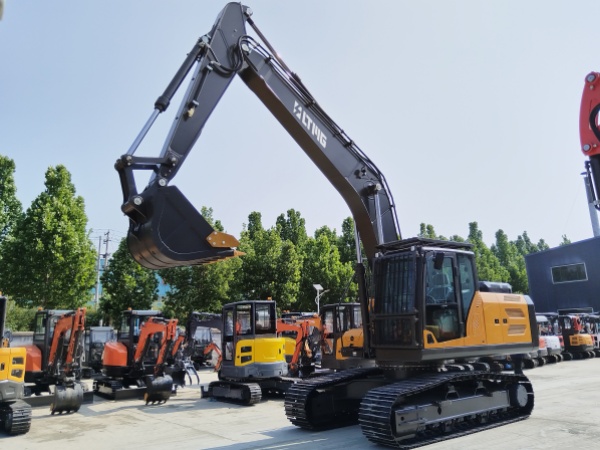
2. Evaluating Technical Specs and Machine Efficiency
To demonstrate true expertise, you must look at the "muscles" of the machine—the hydraulic and powertrain systems.
Hydraulic Flow and Pressure: Don't just look at engine HP. High-performance attachments (like breakers or mulchers) require specific auxiliary hydraulic flow rates (L/min). Ensure your machine can feed the tools you plan to use.
Breakout Force & Lifting Capacity: Calculate your maximum expected load. We recommend a "safety buffer" of 15–20% above your heaviest lift to reduce mechanical stress and prolong the machine's lifespan.
Engine Standards: For global projects, ensure compliance with local emissions standards (such as EPA Tier 4 Final or EU Stage V). This isn't just about the environment; it’s about legal compliance and future resale value.
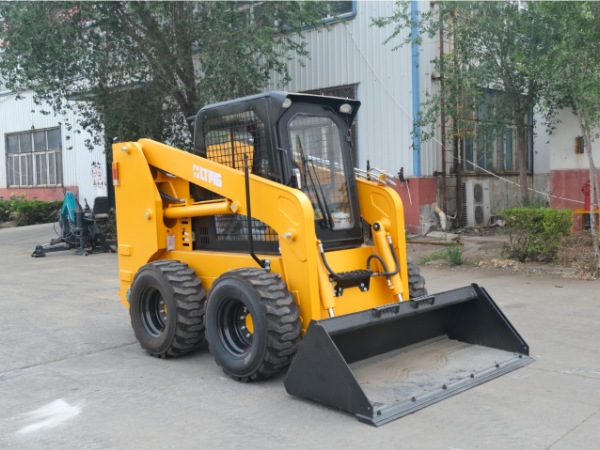
Trust is built on transparency. A low sticker price often hides high long-term costs. A professional purchasing strategy must focus on the lifecycle of the asset.
Fuel Efficiency Ratios: Fuel usually accounts for the largest chunk of operating costs. Look for machines with "Eco-modes" or auto-idle features that can reduce consumption by 10–15% during standby.
Maintenance Accessibility: Time is money. Choose equipment where daily checkpoints (oil, filters, coolant) are accessible from ground level. This encourages operators to perform regular maintenance, preventing catastrophic failures.
Predictive Resale Value: Brands like LTMG that maintain high parts availability and robust build quality tend to hold their value better in the secondary market, lowering your net cost when it's time to upgrade.
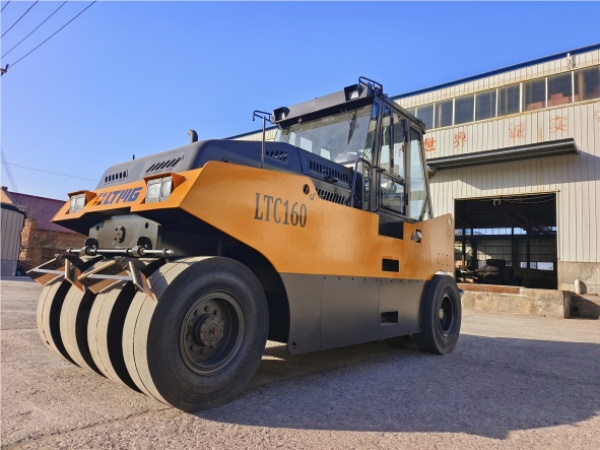
4. Selecting Reliable Suppliers and Global Support
You aren't just buying a machine; you are entering a partnership with a manufacturer.
Parts Availability & Logistics Network: A machine sitting idle is a major liability. Ensure your supplier has a robust global logistics chain and maintains a comprehensive inventory of critical wear parts to minimize downtime.
Telematics and Remote Diagnostics: Modern fleet management relies on data. Ensure your equipment is equipped with GPS and remote monitoring systems to track fuel usage, location, and mechanical health in real-time.
Certifications & Compliance: Always verify ISO, CE, and SGS certifications. These are the industry-standard benchmarks that prove the manufacturer adheres to international safety and quality protocols.
Navigating the complexities of heavy machinery procurement doesn't have to be a solo journey. At LTMG, we don't just sell loaders and excavators; we provide engineered solutions tailored to your specific project needs.
Whether you are tackling a high-rise foundation, a remote mining operation, or a large-scale agricultural project, our team of experts is ready to help you optimize your fleet for maximum ROI.
Are you ready to find the perfect equipment for your next project? Contact LTMG today for a professional consultation and a customized machinery solution.
Email: market@ltmg.com
WhatsApp: +86 19559207570

Tel : +86 195 5920 7570
Email : market@ltmg.com
Whatsapp : +86 195 5920 7570
Add : LTMG Group, Electronics City(Xiamen) International Innovation Center, No.23, Duiying Road, Jimei District, Xiamen, China


Get the latest Product Information & Offer Information



