What Are The Three Types Of Loaders?
Apr 30, 2024
In the construction machinery industry, loaders play an indispensable role in numerous construction projects, from material handling to excavation. In this blog, the LTMG team will delve into the three primary types of loaders commonly found in the construction industry.
1. Wheel Loaders:
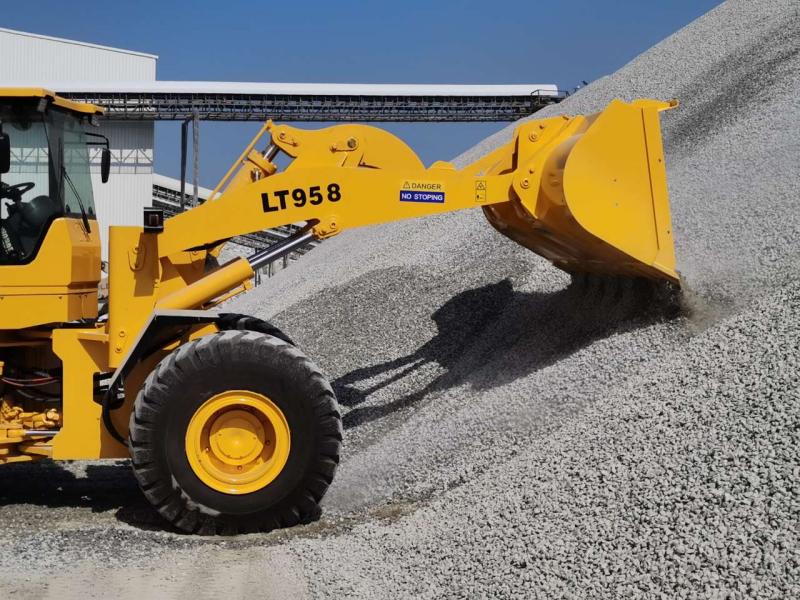
Wheel loaders are primarily used for loading and short-distance transportation of loose materials. They are typically composed of an engine, transmission system, travel mechanism, hydraulic system, and operator's cab. Wheel loaders are characterized by their strong mobility and large loading capacity, allowing them to quickly complete various loading and unloading operations. Additionally, wheel loaders excel in productivity, fuel efficiency, and operator comfort.
2. Backhoe Loaders:
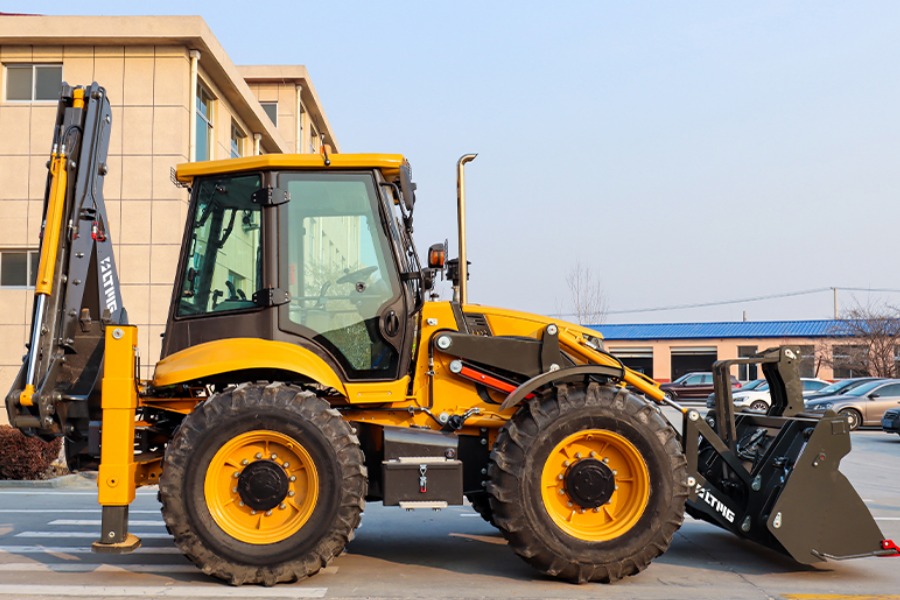
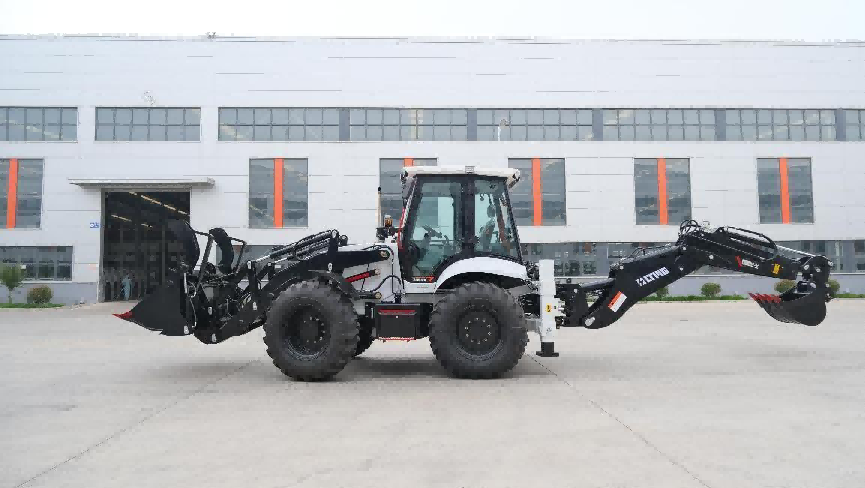
Backhoe loaders are equipment that combines excavation and loading functions. They can be equipped with attachments such as boom arms, forks, sweepers, breakers, and vibratory compactors. Their design allows them to work efficiently in narrow spaces, such as urban infrastructure, roads, or construction sites. Backhoe loaders can reach speeds of up to 40 km/h and are equipped with a 4 or 5-speed hydrostatic transmission.
3. Skid Steer Loaders:
The most significant feature of skid steer loaders is their compact size and ability to turn in place, making them particularly suitable for operation in confined spaces such as urban infrastructure, roads, construction sites, and factory workshops. They steer by varying the speed of the wheels on each side of the vehicle. Skid steer loaders can also quickly change or attach various work devices to adapt to different work environments.
In summary, wheel loaders are suitable for situations requiring large loads and long distances; backhoe loaders are more suitable for small projects requiring both excavation and loading operations simultaneously; while skid steer loaders, due to their compact and agile nature, are ideal for use in confined spaces. Each type of loader has its specific applications and advantages, and choosing the right model can greatly improve work efficiency and safety.
What are the differences in operational safety among different types of loaders?
The main differences in operational safety among different types of loaders are reflected in the specific requirements for operators, pre-operation preparation, operational precautions, and operational restrictions in specific environments.
1. Operator requirements: All types of loader operators must undergo physical examinations and specialized technical training, understand mechanical performance, structure, and maintenance procedures, be familiar with operation methods, and hold a driver's license after passing the exam before they can operate independently. This indicates that the basic requirements for operators are uniform, but the specific operating procedures for different types may vary, such as wheel loaders also need to comply with relevant regulations of the transportation department.
2. Pre-operation preparation: Regardless of the type of loader, a series of preparatory work is required before the operation, such as checking the engine oil, water (including battery water), fuel, hydraulic oil, whether the control levers are in a neutral position; hydraulic lines, brake lines, and joints are loose or leaking. These preparatory work are crucial for ensuring operational safety, but the specific inspection items may vary depending on the type of loader and the different working environments.
3. Operational precautions: During operation, the operation of the loader needs to follow a series of safety operation regulations, such as sounding the horn first, observing that there are no people or obstacles in front, back, left, or right before the operation, strictly prohibiting people under the bucket, and prohibiting loading people in the bucket, etc. In addition, inappropriate high speed and sharp turns should be avoided, and when encountering increased resistance, tire slippage, and decreased engine speed, loading should be stopped, and forced operation should not be carried out. Although these precautions apply to all types of loaders, in actual operation, different types of loaders may have different requirements and restrictions when performing these operations due to their different structures and functions.
4. Operational restrictions in specific environments: Some types of loaders may have specific requirements for the operating environment, such as not being suitable for operation in areas with high dry dust and wet clay. These environmental restrictions directly affect the operational safety of the loader, and different types of loaders may have differences in adapting to specific environments due to their different designs and performances.
The differences in operational safety among different types of loaders are mainly reflected in the specific requirements for operators, pre-operation preparation, operational precautions, and operational restrictions in specific environments. Although the basic principles of safe operation are the same, due to the different types of loaders and working environments, the specific implementation details and requirements may vary.
What is the cost-effectiveness comparison of wheel loaders, backhoe loaders, and skid steer loaders?
Wheel loaders, backhoe loaders, and skid steer loaders each have their characteristics in terms of cost-effectiveness. Wheel loaders gain advantages with their lower hourly costs and higher transport efficiency, for example, the Cat® 988 GC wheel loader can significantly save fuel, reducing owning and operating costs by up to 10%. Liebherr L566 and L550 wheel loaders also emphasize their cost-effectiveness and environmental friendliness, consuming only 40% and 25% of the fuel under the same working conditions, respectively. These data indicate that wheel loaders can effectively reduce operating costs in long-term operation.
Backhoe loaders may be more cost-effective than wheel loaders in certain situations, especially in scenarios that require quick switching between work modes. Backhoe loaders have high maneuverability and versatility, allowing them to be used flexibly in different job sites. One machine can perform multiple tasks, saving the cost of purchasing multiple types of machinery and reducing the workload of maintenance and management.
On the other hand, although skid steer loaders may save labor costs in some cases, such as the LiuGong CLG385B skid steer loader saving users at least 1 million yuan in labor costs per year, its purchase price and operating costs are higher. In addition, skid steer loaders are not as efficient as ordinary wheel loaders and other specialized equipment in loading, milling, and snow removal efficiency. From the analysis of the cost-effectiveness of wheel loaders, backhoe loaders, and skid steer loaders, users should choose the most suitable model based on their specific needs and conditions.
Choose the Right Construction Machinery Equipment for You
Even for experienced owners and operators, understanding the subtle differences of modern construction machinery can be challenging. If you want to learn more about the different types of loaders used in construction, please contact LTMG Machinery. As a well-known Chinese construction machinery manufacturer, we provide high-quality, competitively priced equipment such as wheel loaders, backhoe loaders, and skid steer loaders.
At LTMG, we are committed to providing customers with the highest quality new construction equipment. Our team will work with you to meet your project requirements and stay within your budget. Contact us online now for more information about our products and services.