blog
  • 5 Questions to Ask Before Buying a Skid Steer Loader
    5 Questions to Ask Before Buying a Skid Steer Loader Aug 31, 2026
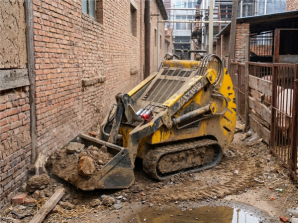
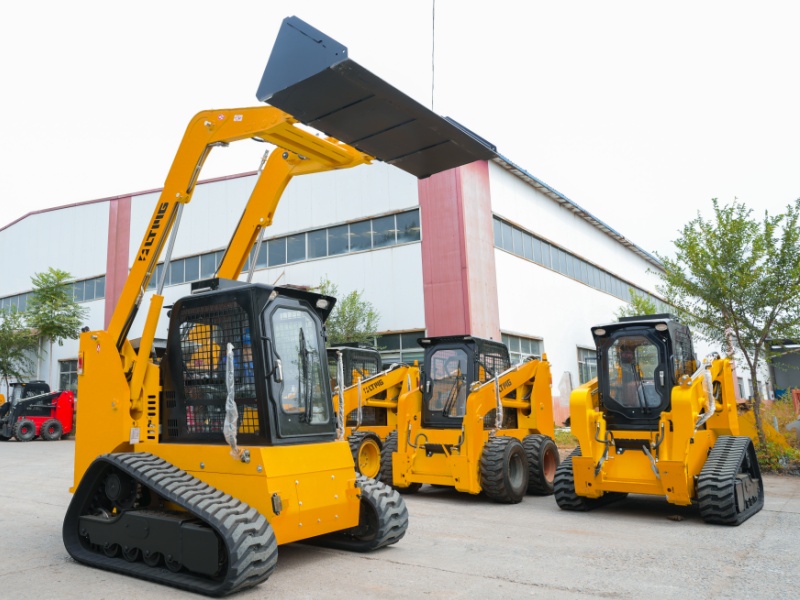
    Buying a skid steer loader involves more than simply comparing engine horsepower, rated operating capacity, or price. Even when two skid steer loaders have similar specifications, their actual performance can vary significantly depending on the application. The right machine depends on what materials you need to handle, which attachments you plan to use, how much space is available on the jobsite, what type of ground the machine will operate on, and how easy it will be to obtain maintenance support and spare parts after purchase. For construction contractors, equipment dealers, rental companies, farms, and industrial users, choosing the wrong skid steer loader configuration can result in lower productivity, attachment compatibility problems, transportation difficulties, higher operating costs, or paying extra for capabilities that are rarely used. Before comparing skid steer loader models, start by answering these five important questions.   1. What Will the Skid Steer Loader Mainly Be Used For?   Choosing the right skid steer loader should begin with the actual application rather than the specification sheet. A skid steer loader primarily used for bucket loading will have different configuration requirements from a machine that regularly operates augers, hydraulic breakers, trenchers, brush cutters, or other hydraulic attachments. Before purchasing, identify the tasks the machine will perform most frequently. You should also determine which application will place the highest load on the machine or require the greatest performance.   For example: ·If the skid steer loader frequently handles palletized materials, rated operating capacity and lift height may be more important than maximum travel speed. ·If hydraulic attachments will be used regularly, auxiliary hydraulic flow and pressure should be key considerations. ·If the machine will operate mainly inside warehouses, agricultural buildings, or confined construction areas, overall dimensions and maneuverability may provide more practical value than additional engine horsepower.   Before selecting a model, consider several basic questions: What materials will the machine handle? How high do they need to be lifted? Which attachments will be used? And in what type of environment will the skid steer loader normally operate?   Once these application requirements are clear, it becomes much easier to determine the specifications that actually matter.   2. How Much Rated Operating Capacity Do You Really Need?   Rated Operating Capacity (ROC) is one of the most important specifications when choosing a skid steer loader. It refers to the load the machine is rated to handle under the conditions specified by the manufacturer. However, buyers should understand that rated operating capacity is not the same as tipping load, operating weight, or breakout force. A common mistake is selecting a skid steer loader based only on the average weight of the material being handled while ignoring the heaviest loads encountered during normal operation. For example, if the machine uses pallet forks to move construction materials, you need to consider not only the weight of the load but also the weight of the pallet forks themselves. Attachments consume part of the machine's available lifting capacity, so the ROC should not be treated as the exact amount of material the machine can carry in every operating condition.   When comparing skid steer loader models, evaluate rated operating capacity together with: ·Tipping load ·Attachment weight ·Machine operating weight ·Required lift height ·Forward reach at the working position   A higher ROC is not always better. If the machine is significantly larger than the application requires, the purchase price, fuel consumption, tire costs, and transportation requirements may all increase. A larger machine may also be less maneuverable in confined spaces. On the other hand, selecting a skid steer loader with insufficient capacity can reduce the amount of material moved per cycle, increase the number of work cycles, and limit the attachments that can be used in the future. The better approach is to select a machine that can reliably handle your normal high-frequency loads while leaving reasonable capacity for common attachments and future changes in operating requirements.     3. How Much Engine Power Does a Skid Steer Loader Need?   Engine horsepower is easy to compare, which is why many buyers focus on it first when evaluating a skid steer loader. However, more horsepower does not automatically mean higher productivity. The engine must work effectively with the hydraulic system, drivetrain, machine weight, tires, and attachments. If the rest of the machine cannot make effective use of additional engine output, simply increasing horsepower may provide limited practical benefits. For example, a skid steer loader used mainly with a bucket or pallet forks for general material handling has very different power requirements from a machine that frequently performs hydraulic-intensive applications such as breaking, trenching, or milling.   When evaluating skid steer loader engine power, consider: ·Material type ·Digging intensity ·Ground conditions ·Hydraulic attachment requirements ·Daily operating hours ·Fuel consumption and operating cost   Instead of simply asking, “How much horsepower does this skid steer loader have?”, a more useful question is: Can the engine provide enough power for the traction and hydraulic demands of my actual application? This approach makes it easier to determine whether the engine is properly matched to the job rather than simply comparing horsepower figures.   4. Can the Skid Steer Loader Work Efficiently in Your Jobsite?   A larger skid steer loader does not necessarily deliver higher productivity. One of the main reasons businesses choose skid steer loaders is their ability to operate in confined spaces where larger loaders may not work efficiently. For this reason, buyers should evaluate the physical limitations of the jobsite before focusing only on machine capacity. Start by checking the width and height of the narrowest entrance the machine will need to pass through. Then determine whether there will be enough space for the machine to turn and maneuver once it enters the working area. Attachments also affect overall machine dimensions. After installing a bucket, pallet forks, or another attachment, the skid steer loader may require additional operating space. This is particularly important when working in:   ·Warehouses ·Agricultural buildings ·Residential construction sites ·Material yards ·Other confined working areas   A machine must do more than simply fit through an entrance. It should also have enough room to turn, approach materials, load, unload, and complete its normal operating cycle efficiently. If a skid steer loader can barely enter the work area but has very limited maneuvering space once inside, its higher rated operating capacity may not translate into greater real-world productivity.   5. Are the Tires and Machine Type Suitable for Your Ground Conditions?   Ground conditions directly affect skid steer loader traction, tire wear, maneuverability, productivity, and overall operating costs. Before choosing a machine, consider two fundamental questions: Will the loader mainly operate on hard surfaces or soft ground? And: Is tire wear resistance or traction more important for your application? If the machine operates primarily on concrete, asphalt, or other hard surfaces, tire wear and maneuverability will usually be major considerations. If the skid steer loader frequently works on muddy, soft, or loose ground, traction and flotation may become more important. In these applications, buyers should consider not only different tire options but also whether a compact track loader would be better suited to the working conditions.   Skid Steer Loader vs. Compact Track Loader   A compact track loader is not automatically better than a wheeled skid steer loader. Track loaders generally provide better traction and flotation on soft ground, but their undercarriage systems also introduce different maintenance requirements and operating costs. The decision between a wheeled skid steer loader and a compact track loader should therefore be based on factors such as:   ·Typical ground conditions ·Machine utilization ·Transportation requirements ·Tire replacement costs ·Undercarriage maintenance costs ·Required traction and mobility   Choosing the wrong undercarriage type can increase operating costs through excessive tire wear, frequent slipping, or higher undercarriage expenses—even when the engine, hydraulic system, and lifting capacity are otherwise suitable for the application.   Find the Right LTMG Skid Steer Loader for Your Application   If you are looking for a skid steer loader for construction, agriculture, material handling, landscaping, or other applications, you can explore the LTMG skid steer loader range and select a machine based on your required operating capacity, attachments, hydraulic configuration, working environment, and transportation conditions. If you are unsure which model is right for your application, you can provide LTMG with details about your actual working conditions and operational requirements. For equipment dealers, rental companies, and buyers with specific market requirements, LTMG also provides OEM and ODM skid steer loader solutions. Machine configurations and customization options can be discussed according to different projects and target markets. The more information you provide about your working conditions and purchasing requirements, the easier it is for our team to recommend a more suitable skid steer loader configuration and equipment solution.    
  • Mastering Tight Spaces: A Beginner’s Guide to Buying Skid Steer Loaders
    Mastering Tight Spaces: A Beginner’s Guide to Buying Skid Steer Loaders Apr 24, 2026
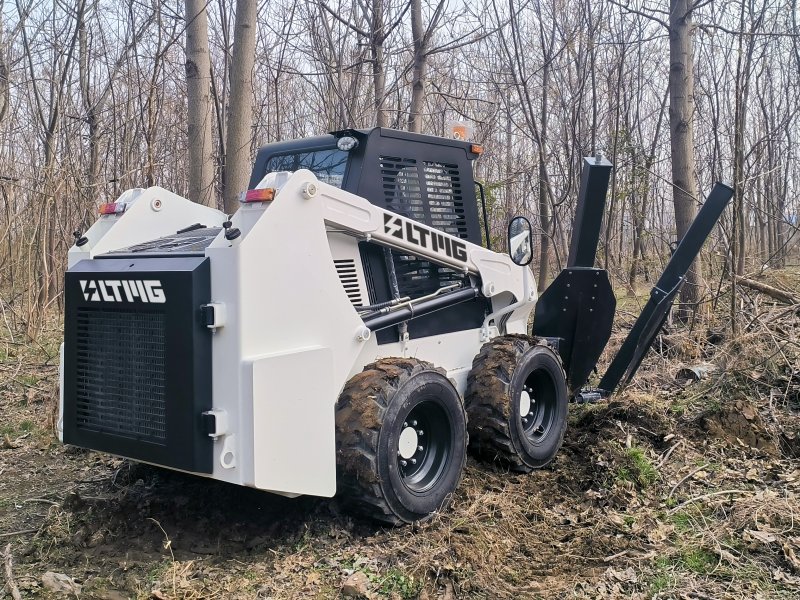
      1. Say Goodbye to Space Anxiety: Those “Hard-to-Reach Corners” Where Heavy Machinery Is Powerless  The Deadlock of Old Town Renovations When a project kicks off, narrow alleys and fragile underground utility lines become challenges that contractors must confront head-on. In such scenarios, large construction machinery is often stuck at the entrance, helpless to proceed, leaving manual labor as the only viable option. Workers transport crushed stone wheelbarrow by wheelbarrow—a process that is not only inefficient but also drives labor costs sky-high.   The Profit Dilemma in Landscape Gardening: For landscape contractors, small-scale projects like residential backyards often face awkward situations due to narrow access points. Even if the entrance is demolished to allow machinery in, heavy equipment leaves devastating ruts on the backyard lawn—not to mention that the limited size of the backyard severely restricts the machine’s maneuverability. In such situations, many contractors have no choice but to resort to manual labor, causing profit margins to be repeatedly squeezed—a predicament that explains why many small-scale projects fail to turn a profit.   The Challenge of Cleaning Old-Style Farms: Inside the barns of old-style farms, low wooden beams and narrow compartments built decades ago pose significant challenges for modern heavy machinery. Constantly reversing and maneuvering in tight spaces still fails to reach dirt in hard-to-reach corners, forcing a reliance on manual labor. What should be a cleanup task taking just a few minutes turns into a grueling, day-long chore simply because the machinery cannot operate effectively. When the conflict between “space constraints” and “construction efficiency” becomes irreconcilable, skid steer loaders emerge as a powerful solution to break this deadlock, thanks to their agile maneuverability and versatile performance.   2. The Four Core Advantages of Skid Steer Loaders Ultimate Maneuverability, Unfazed by Tight Spaces The most striking feature of skid steer loaders is their agility. Their unique turning mechanism allows one side of the wheels to accelerate while the other side remains stationary or moves in the opposite direction, effectively achieving a zero-turn radius. Whether navigating dense urban environments or cramped livestock pens, they maneuver with ease, tackling blind spots that larger machinery cannot reach.   Quick-Change Attachments: One Machine, Multiple Uses Equipped with a convenient quick-change system, the machine allows operators to switch between attachments—whether construction tools like augers and hydraulic breakers or agricultural equipment such as mowers and tillers—in under two minutes without ever leaving the cab. This versatility transforms the skid steer loader from a simple material-handling vehicle into a versatile work platform.   Low Learning Curve, Quick Mastery Modern skid steer loaders feature an intuitive operating interface, significantly reducing operator training costs. Even beginners can become proficient in just one afternoon. This ease of use not only alleviates labor demands but also enhances machine management efficiency.   Easy Maintenance, High Return on Investment Compared to owning multiple single-purpose machines, investing in a single multi-functional machine can significantly reduce equipment costs. Not only does it save on equipment purchase and operator training costs, but maintenance is also relatively simple, with easily accessible components that minimize downtime. 3. How to Choose the Skid Steer Loader That Best Suits Your Needs? ● Drive Type Skid steer loaders can be categorized by drive type into wheeled skid steer loaders and tracked skid steer loaders: ○ Wheeled Skid Steer Loaders: These models are suitable for hardened surfaces. The machines themselves have strong mobility, making them ideal for mobile operations. ○ Tracked Skid Steer Loaders: If you plan to use a skid steer loader on soft ground, vegetation, snow, or in swamps, this type of machine is exactly what you need. The strong traction of the tracks will provide you with excellent operational stability. ● Rated load Skid steer loaders are typically classified by their rated payload, which is divided into three categories: small, medium, and large. You can select a model based on your specific operational needs. ○ Small Skid Steer Loaders: With a rated payload of less than 800 kg, these machines feature a compact design and are suitable for various indoor demolition and landscaping tasks in confined spaces. ○ Medium-sized skid steer loaders: With a rated operating weight of approximately 800–1,000 kg, these models strike a balance between performance and maneuverability. They can handle most construction and agricultural tasks and are the most popular choice among buyers. ○ Large skid steer loaders: With a rated load capacity exceeding 1,000 kg and more powerful engines, these are suitable for heavy-duty tasks such as construction and material handling. ● Powertrain Options ○ Conventional Diesel skid steer loaders: Deliver high torque and powerful output at low RPM, making it suitable for high-intensity digging and crushing tasks. ○ Clean Electric skid steer loaders: Unlike conventional diesel-powered skid steer loaders, the electric drive system results in cleaner emissions and quieter operation.   4. Key Specifications and Features to Consider When Purchasing ●  Modern Operating System: ○ Operating System: A fully intelligent operating platform that makes operations easier and more precise. ○ Digital Dashboard: Monitors the skid steer loader’s key functions and usage patterns, allowing for intuitive data monitoring via an LCD. ● Operational Parameters: ○ Lifting Height: Ensures your materials can be lifted to a sufficient height to complete loading operations. ○ Dump Height: The distance from the bucket tip to the front of the wheels when dumping at height; sufficient dump height prevents collisions with the truck bed. ● Lifting Path: ○ Vertical Lift: Provides greater reach when operating at full lift height. ○ Curved Lift: Delivers maximum power at mid-to-low positions, ideal for ground-level operations. 5. We offer skid steer loaders ranging from 200 kg to 1,500 kg. The following recommended models are available for your reference LT65(950KG Wheel Skid Steer Loader) The vertical lifting structure, enhanced with a large thrust cylinder, delivers significant digging force. This design ensures efficient operation in heavy-duty tasks requiring substantial lifting and digging. LTS22 (240kg Tracked Skid Steer Loader) Features a variable-reach boom, ensuring high load capacity even in confined spaces. Equipped with reinforced rubber flat tracks for enhanced adaptability. Features a fully intelligent operating platform for easy operation.     We also offer a wide range of interchangeable attachments—including grapple fork, hay fork, snow blower, mixing tank, tire clamp, and sweeping brush—to effortlessly unlock the “one machine, multiple uses” capability. Whether in old barns, small yards, narrow alleys, historic streets, or even inside ship holds, skid steer loaders can provide customized solutions through the flexible and rapid combination of attachments.   Don’t let tight spaces limit your profits. There’s a solution tailored to your complex working conditions. If you’re still unsure about configurations or models, contact our sales team today. We’ll create a customized purchasing plan based on your specific work environment!
  • The Ultimate Guide to Cost-Effective Skid Steer Loaders for Small Businesses: Maximizing ROI from Purchase to Maintenance
    The Ultimate Guide to Cost-Effective Skid Steer Loaders for Small Businesses: Maximizing ROI from Purchase to Maintenance Nov 21, 2025
      I. Introduction: Why Small Businesses Need a "Force Multiplier" In today’s cutthroat market, efficiency isn't just a buzzword—it's survival. For general contractors, farmers, landscapers, and warehouse managers, the profit margin lies in doing more work with limited manpower. The Core Value: Not Just a Machine, But a Productivity Booster A Skid Steer Loader is more than just hardware; it’s a strategic asset that delivers three key competitive advantages to small enterprises: 1. Unmatched Agility: With its zero-turn radius capability, it maneuvers effortlessly through narrow alleyways, crowded warehouses, or tight interior renovation sites where larger heavy equipment simply can't fit. 2. Versatility (The "Swiss Army Knife" Effect): Thanks to a wide range of attachments, one machine can instantly transform into an excavator, forklift, snow blower, or dozer, massively expanding your service offerings. 3. Slashing Labor Costs: A single skid steer loader with a skilled operator can often replicate the output of a 3-5 person manual labor crew—without taking breaks or calling in sick. This guide goes beyond just finding "cheap" equipment. We focus on "High Cost-Performance." We will walk you through the entire lifecycle—from needs analysis and precision selection to low-cost maintenance—to help you make the smartest investment decision.       II. The Basics: Understanding Compact Loaders for Small Business Before opening your wallet, let’s look under the hood to understand exactly what you are buying. 1. How does it work? Simply put, a skid steer loader is a compact machine that steers by varying the speed and direction of the wheels (or tracks) on opposite sides. In Plain English: It turns exactly like a tank. It can spin 360 degrees within its own footprint. For small businesses working in confined spaces—like backyard landscaping or interior demolition—this maneuverability is irreplaceable. 2. Which Type Fits Your Job Site? The market is flooded with options, but small business owners should focus on these primary distinctions: By Undercarriage (Movement): Wheeled Skid Steer Loader: Faster travel speeds and ideal for hard surfaces like concrete, asphalt, or compacted dirt. Value Proposition: Lower tire replacement costs and simpler maintenance compared to tracks. Compact Track Loaders (CTL): Lower ground pressure, perfect for muddy, sandy, or sensitive turf conditions. Note: While excellent for flotation, undercarriage maintenance is pricier. Unless your terrain demands it, wheels often offer a better ROI. By Lift Path: Radial Lift: The bucket moves in an arc. Offers superior breakout force and is structurally simpler. Best for: Digging, grading, and pushing. Generally more budget-friendly. Vertical Lift: The bucket rises straight up. Offers higher lift height and further reach at the top of the cycle. Best for: Loading dump trucks and stacking pallets. 3. The Profile of a "High-Value" Machine For a small business, the sweet spot for a cost-effective skid steer includes: High Compatibility: Equipped with a standardized Universal Quick Attach plate, so you aren't locked into proprietary, expensive attachments. Mechanical over Electronic: While digital displays are flashy, mechanical pilot controls are often more rugged, reliable, and cheaper to repair for small fleet owners. Serviceability: A rear door and radiator that swing out easily to access filters and the engine, minimizing downtime during routine checks. III. Smart Selection: Defining Your Actual Needs The most expensive machine isn't the one with the high price tag; it’s the one that sits idle. Avoid buyer's remorse by auditing your needs first. 1. Lock Down Your Industry Scenario Construction: Focus on durability and hydraulic flow for running hydraulic breakers. A rugged radial lift machine is often the workhorse here. Agriculture/Livestock: Focus on terrain navigability (flotation) and suitability for mucking out barns. An enclosed cab with HVAC is crucial for operator comfort against dust and odors. Landscaping/Municipal: You likely switch tools often (tree spades, sweepers). Ensure the machine has sufficient auxiliary hydraulic flow to power these hungry attachments. 2. Quantify Your Specs (Don't Guess) Base your decision on data, not gut feeling: Rated Operating Capacity (ROC): What is the heaviest material you handle? (e.g., If a pallet of pavers weighs 800kg, your machine's ROC must exceed 850kg). Dump Height: How high are the sideboards of your dump truck or hopper? Ensure the hinge pin height clears the edge easily. Dimensional Constraints: Measure the smallest gate or doorway on your typical job site. If the machine doesn't fit, its performance specs don't matter.     IV. Strategies for Cost-Effective Operation & Maintenance Once the machine is on your lot, how do you keep running costs low? 1. Efficient Operation Saves Fuel Stop the "Full Throttle" Habit: In many applications, 70-80% throttle provides ample hydraulic power. Running wide open only increases fuel consumption and noise without speeding up the job. Gentle Turns: Aggressive, sharp counter-rotations are the #1 killer of tires and rubber tracks. Teach operators to use "Y-turns" or 3-point turns to extend undercarriage life. 2. "Maintenance is Cheaper than Repair." Grease is Cheap, Steel is Expensive: Grease all pivot points daily. A tube of grease costs pennies; replacing worn-out pins and bushings costs hundreds. Do the math. Check Air Filters Religiously: Construction sites are dusty. A clogged air filter forces the engine to work harder, which spikes fuel consumption. Clean them regularly to maintain peak engine efficiency. Smart Parts Sourcing: Once the warranty period expires, consider high-quality aftermarket filters and lubricants from reputable brands. This can cut maintenance material costs by 50% without sacrificing protection. 3. The Magic of Attachments: One Machine, Many Jobs The Combo Strategy: Purchase the host machine + a standard bucket. Then add a Pallet Fork (replacing forklifts) and a Sweeper (replacing manual cleaning crews). Rent vs. Buy: For expensive, specialized attachments used only once or twice a year (like a cold planer or tree spade), renting is far more cost-effective than buying.     V. Future Trends: Is an Electric Skid Steer Worth It? Diesel is still king, but the electric wave is coming. When does an Electric Skid Steer make sense for a small business? Upfront Cost vs. Long-term TCO: Electric models currently cost 30-50% more upfront. However, energy costs are roughly 1/10th of diesel, and there are no oil changes, fuel filters, or complex engine repairs. Niche Market Advantage: If your business bids on indoor projects, basement excavations, or jobs in noise-sensitive areas (hospitals, schools), an electric machine is a game-changer. It eliminates exhaust fumes and noise, potentially winning you contracts that diesel competitors can't touch. Verdict: If your daily operation hours are consistent and you have reliable charging infrastructure at your yard, the ROI period for electric loaders is shrinking fast—often breaking even in just 2-3 years.   VI. Conclusion Purchasing a skid steer loader is fundamentally an investment in your company's future capability. The logic for a cost-effective choice is simple: Match the specs to the job, calculate the total cost of ownership, and prioritize reliability over flashy features.   Are you torn between two specific models? Or perhaps you aren't sure what ROC you need for your specific workload? Contact us today. We are here to provide professional, data-driven advice to help you build your fleet.    

leave message

leave a message
If you are interested in our products and want to know more details,please leave a message here,we will reply you as soon as we can.
Submit
see more

Service Hours

LTMG offers a 24-hour online response service

Please contact us if you need any help

We will reply ASAP

Contact us #
+86 195 5920 7570

home

products

whatsApp

Contact