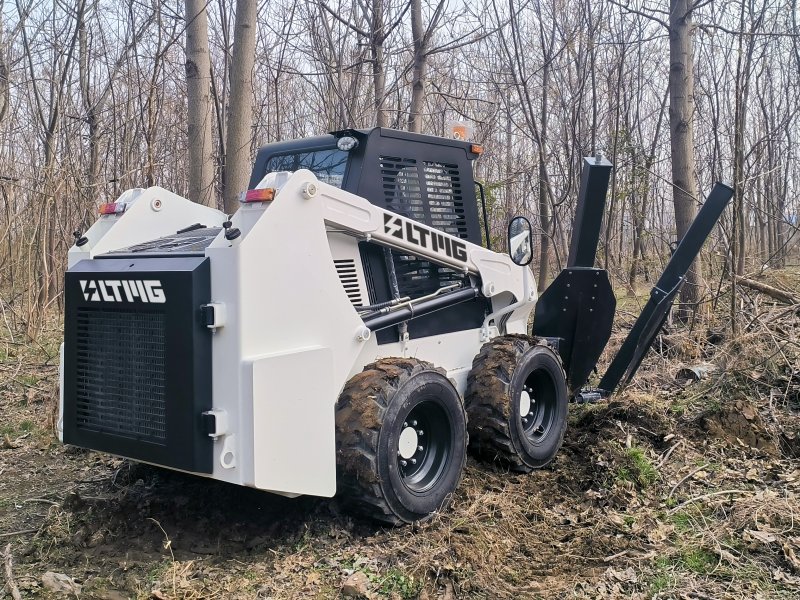
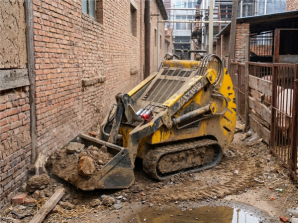
5 Questions to Ask Before Buying a Skid Steer Loader
Aug 31, 2026
Buying a skid steer loader involves more than simply comparing engine horsepower, rated operating capacity, or price.
Even when two skid steer loaders have similar specifications, their actual performance can vary significantly depending on the application. The right machine depends on what materials you need to handle, which attachments you plan to use, how much space is available on the jobsite, what type of ground the machine will operate on, and how easy it will be to obtain maintenance support and spare parts after purchase.
For construction contractors, equipment dealers, rental companies, farms, and industrial users, choosing the wrong skid steer loader configuration can result in lower productivity, attachment compatibility problems, transportation difficulties, higher operating costs, or paying extra for capabilities that are rarely used.
Before comparing skid steer loader models, start by answering these five important questions.
1. What Will the Skid Steer Loader Mainly Be Used For?
Choosing the right skid steer loader should begin with the actual application rather than the specification sheet.
A skid steer loader primarily used for bucket loading will have different configuration requirements from a machine that regularly operates augers, hydraulic breakers, trenchers, brush cutters, or other hydraulic attachments.
Before purchasing, identify the tasks the machine will perform most frequently. You should also determine which application will place the highest load on the machine or require the greatest performance.
For example:
·If the skid steer loader frequently handles palletized materials, rated operating capacity and lift height may be more important than maximum travel speed.
·If hydraulic attachments will be used regularly, auxiliary hydraulic flow and pressure should be key considerations.
·If the machine will operate mainly inside warehouses, agricultural buildings, or confined construction areas, overall dimensions and maneuverability may provide more practical value than additional engine horsepower.
Before selecting a model, consider several basic questions: What materials will the machine handle? How high do they need to be lifted? Which attachments will be used? And in what type of environment will the skid steer loader normally operate?
Once these application requirements are clear, it becomes much easier to determine the specifications that actually matter.
2. How Much Rated Operating Capacity Do You Really Need?
Rated Operating Capacity (ROC) is one of the most important specifications when choosing a skid steer loader. It refers to the load the machine is rated to handle under the conditions specified by the manufacturer.
However, buyers should understand that rated operating capacity is not the same as tipping load, operating weight, or breakout force.
A common mistake is selecting a skid steer loader based only on the average weight of the material being handled while ignoring the heaviest loads encountered during normal operation.
For example, if the machine uses pallet forks to move construction materials, you need to consider not only the weight of the load but also the weight of the pallet forks themselves. Attachments consume part of the machine's available lifting capacity, so the ROC should not be treated as the exact amount of material the machine can carry in every operating condition.
When comparing skid steer loader models, evaluate rated operating capacity together with:
·Tipping load
·Attachment weight
·Machine operating weight
·Required lift height
·Forward reach at the working position
A higher ROC is not always better.
If the machine is significantly larger than the application requires, the purchase price, fuel consumption, tire costs, and transportation requirements may all increase. A larger machine may also be less maneuverable in confined spaces.
On the other hand, selecting a skid steer loader with insufficient capacity can reduce the amount of material moved per cycle, increase the number of work cycles, and limit the attachments that can be used in the future.
The better approach is to select a machine that can reliably handle your normal high-frequency loads while leaving reasonable capacity for common attachments and future changes in operating requirements.
3. How Much Engine Power Does a Skid Steer Loader Need?
Engine horsepower is easy to compare, which is why many buyers focus on it first when evaluating a skid steer loader.
However, more horsepower does not automatically mean higher productivity.
The engine must work effectively with the hydraulic system, drivetrain, machine weight, tires, and attachments. If the rest of the machine cannot make effective use of additional engine output, simply increasing horsepower may provide limited practical benefits.
For example, a skid steer loader used mainly with a bucket or pallet forks for general material handling has very different power requirements from a machine that frequently performs hydraulic-intensive applications such as breaking, trenching, or milling.
When evaluating skid steer loader engine power, consider:
·Material type
·Digging intensity
·Ground conditions
·Hydraulic attachment requirements
·Daily operating hours
·Fuel consumption and operating cost
Instead of simply asking, “How much horsepower does this skid steer loader have?”, a more useful question is:
Can the engine provide enough power for the traction and hydraulic demands of my actual application?
This approach makes it easier to determine whether the engine is properly matched to the job rather than simply comparing horsepower figures.
4. Can the Skid Steer Loader Work Efficiently in Your Jobsite?
A larger skid steer loader does not necessarily deliver higher productivity.
One of the main reasons businesses choose skid steer loaders is their ability to operate in confined spaces where larger loaders may not work efficiently. For this reason, buyers should evaluate the physical limitations of the jobsite before focusing only on machine capacity.
Start by checking the width and height of the narrowest entrance the machine will need to pass through. Then determine whether there will be enough space for the machine to turn and maneuver once it enters the working area.
Attachments also affect overall machine dimensions.
After installing a bucket, pallet forks, or another attachment, the skid steer loader may require additional operating space. This is particularly important when working in:
·Warehouses
·Agricultural buildings
·Residential construction sites
·Material yards
·Other confined working areas
A machine must do more than simply fit through an entrance. It should also have enough room to turn, approach materials, load, unload, and complete its normal operating cycle efficiently.
If a skid steer loader can barely enter the work area but has very limited maneuvering space once inside, its higher rated operating capacity may not translate into greater real-world productivity.
5. Are the Tires and Machine Type Suitable for Your Ground Conditions?
Ground conditions directly affect skid steer loader traction, tire wear, maneuverability, productivity, and overall operating costs.
Before choosing a machine, consider two fundamental questions:
Will the loader mainly operate on hard surfaces or soft ground?
And: Is tire wear resistance or traction more important for your application?
If the machine operates primarily on concrete, asphalt, or other hard surfaces, tire wear and maneuverability will usually be major considerations.
If the skid steer loader frequently works on muddy, soft, or loose ground, traction and flotation may become more important. In these applications, buyers should consider not only different tire options but also whether a compact track loader would be better suited to the working conditions.
Skid Steer Loader vs. Compact Track Loader
A compact track loader is not automatically better than a wheeled skid steer loader.
Track loaders generally provide better traction and flotation on soft ground, but their undercarriage systems also introduce different maintenance requirements and operating costs.
The decision between a wheeled skid steer loader and a compact track loader should therefore be based on factors such as:
·Typical ground conditions
·Machine utilization
·Transportation requirements
·Tire replacement costs
·Undercarriage maintenance costs
·Required traction and mobility
Choosing the wrong undercarriage type can increase operating costs through excessive tire wear, frequent slipping, or higher undercarriage expenses—even when the engine, hydraulic system, and lifting capacity are otherwise suitable for the application.
Find the Right LTMG Skid Steer Loader for Your Application
If you are looking for a skid steer loader for construction, agriculture, material handling, landscaping, or other applications, you can explore the LTMG skid steer loader range and select a machine based on your required operating capacity, attachments, hydraulic configuration, working environment, and transportation conditions.
If you are unsure which model is right for your application, you can provide LTMG with details about your actual working conditions and operational requirements.
For equipment dealers, rental companies, and buyers with specific market requirements, LTMG also provides OEM and ODM skid steer loader solutions. Machine configurations and customization options can be discussed according to different projects and target markets.
The more information you provide about your working conditions and purchasing requirements, the easier it is for our team to recommend a more suitable skid steer loader configuration and equipment solution.