blog
  • 5 Questions to Ask Before Buying a Skid Steer Loader
    5 Questions to Ask Before Buying a Skid Steer Loader Aug 31, 2026
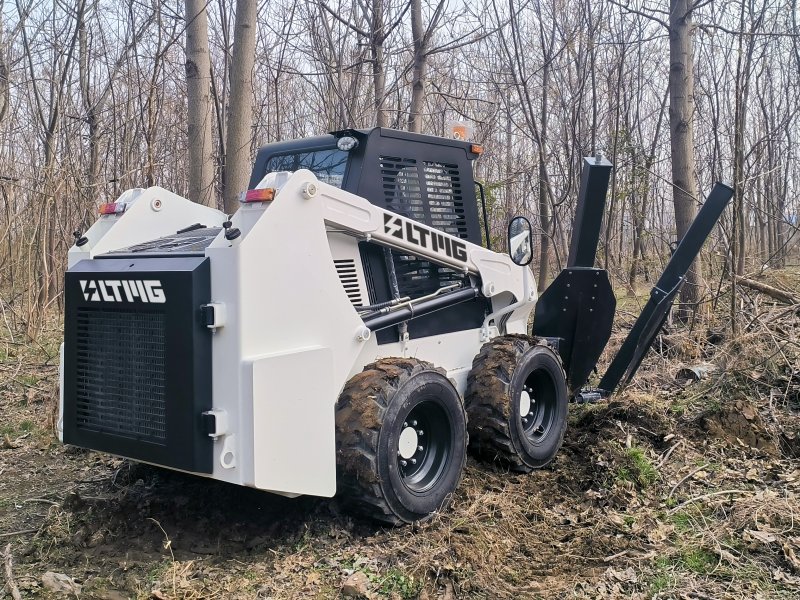
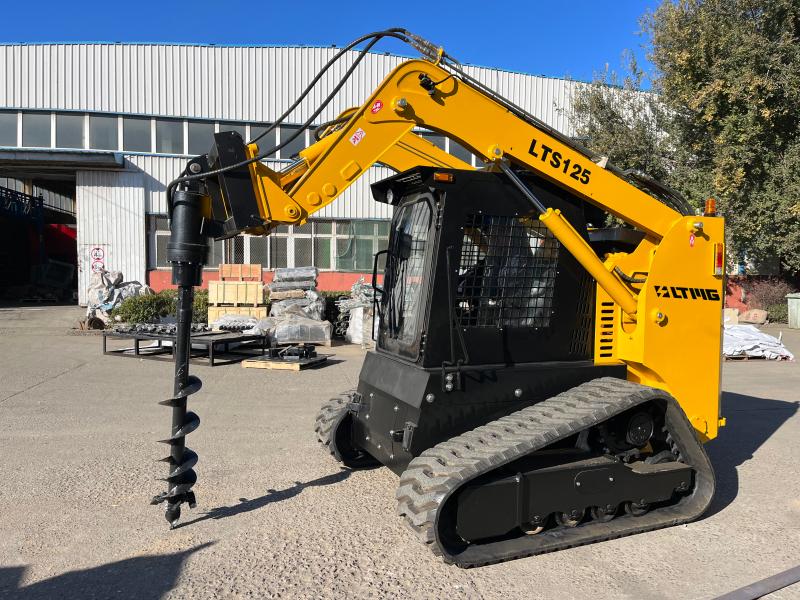
    Buying a skid steer loader involves more than simply comparing engine horsepower, rated operating capacity, or price. Even when two skid steer loaders have similar specifications, their actual performance can vary significantly depending on the application. The right machine depends on what materials you need to handle, which attachments you plan to use, how much space is available on the jobsite, what type of ground the machine will operate on, and how easy it will be to obtain maintenance support and spare parts after purchase. For construction contractors, equipment dealers, rental companies, farms, and industrial users, choosing the wrong skid steer loader configuration can result in lower productivity, attachment compatibility problems, transportation difficulties, higher operating costs, or paying extra for capabilities that are rarely used. Before comparing skid steer loader models, start by answering these five important questions.   1. What Will the Skid Steer Loader Mainly Be Used For?   Choosing the right skid steer loader should begin with the actual application rather than the specification sheet. A skid steer loader primarily used for bucket loading will have different configuration requirements from a machine that regularly operates augers, hydraulic breakers, trenchers, brush cutters, or other hydraulic attachments. Before purchasing, identify the tasks the machine will perform most frequently. You should also determine which application will place the highest load on the machine or require the greatest performance.   For example: ·If the skid steer loader frequently handles palletized materials, rated operating capacity and lift height may be more important than maximum travel speed. ·If hydraulic attachments will be used regularly, auxiliary hydraulic flow and pressure should be key considerations. ·If the machine will operate mainly inside warehouses, agricultural buildings, or confined construction areas, overall dimensions and maneuverability may provide more practical value than additional engine horsepower.   Before selecting a model, consider several basic questions: What materials will the machine handle? How high do they need to be lifted? Which attachments will be used? And in what type of environment will the skid steer loader normally operate?   Once these application requirements are clear, it becomes much easier to determine the specifications that actually matter.   2. How Much Rated Operating Capacity Do You Really Need?   Rated Operating Capacity (ROC) is one of the most important specifications when choosing a skid steer loader. It refers to the load the machine is rated to handle under the conditions specified by the manufacturer. However, buyers should understand that rated operating capacity is not the same as tipping load, operating weight, or breakout force. A common mistake is selecting a skid steer loader based only on the average weight of the material being handled while ignoring the heaviest loads encountered during normal operation. For example, if the machine uses pallet forks to move construction materials, you need to consider not only the weight of the load but also the weight of the pallet forks themselves. Attachments consume part of the machine's available lifting capacity, so the ROC should not be treated as the exact amount of material the machine can carry in every operating condition.   When comparing skid steer loader models, evaluate rated operating capacity together with: ·Tipping load ·Attachment weight ·Machine operating weight ·Required lift height ·Forward reach at the working position   A higher ROC is not always better. If the machine is significantly larger than the application requires, the purchase price, fuel consumption, tire costs, and transportation requirements may all increase. A larger machine may also be less maneuverable in confined spaces. On the other hand, selecting a skid steer loader with insufficient capacity can reduce the amount of material moved per cycle, increase the number of work cycles, and limit the attachments that can be used in the future. The better approach is to select a machine that can reliably handle your normal high-frequency loads while leaving reasonable capacity for common attachments and future changes in operating requirements.     3. How Much Engine Power Does a Skid Steer Loader Need?   Engine horsepower is easy to compare, which is why many buyers focus on it first when evaluating a skid steer loader. However, more horsepower does not automatically mean higher productivity. The engine must work effectively with the hydraulic system, drivetrain, machine weight, tires, and attachments. If the rest of the machine cannot make effective use of additional engine output, simply increasing horsepower may provide limited practical benefits. For example, a skid steer loader used mainly with a bucket or pallet forks for general material handling has very different power requirements from a machine that frequently performs hydraulic-intensive applications such as breaking, trenching, or milling.   When evaluating skid steer loader engine power, consider: ·Material type ·Digging intensity ·Ground conditions ·Hydraulic attachment requirements ·Daily operating hours ·Fuel consumption and operating cost   Instead of simply asking, “How much horsepower does this skid steer loader have?”, a more useful question is: Can the engine provide enough power for the traction and hydraulic demands of my actual application? This approach makes it easier to determine whether the engine is properly matched to the job rather than simply comparing horsepower figures.   4. Can the Skid Steer Loader Work Efficiently in Your Jobsite?   A larger skid steer loader does not necessarily deliver higher productivity. One of the main reasons businesses choose skid steer loaders is their ability to operate in confined spaces where larger loaders may not work efficiently. For this reason, buyers should evaluate the physical limitations of the jobsite before focusing only on machine capacity. Start by checking the width and height of the narrowest entrance the machine will need to pass through. Then determine whether there will be enough space for the machine to turn and maneuver once it enters the working area. Attachments also affect overall machine dimensions. After installing a bucket, pallet forks, or another attachment, the skid steer loader may require additional operating space. This is particularly important when working in:   ·Warehouses ·Agricultural buildings ·Residential construction sites ·Material yards ·Other confined working areas   A machine must do more than simply fit through an entrance. It should also have enough room to turn, approach materials, load, unload, and complete its normal operating cycle efficiently. If a skid steer loader can barely enter the work area but has very limited maneuvering space once inside, its higher rated operating capacity may not translate into greater real-world productivity.   5. Are the Tires and Machine Type Suitable for Your Ground Conditions?   Ground conditions directly affect skid steer loader traction, tire wear, maneuverability, productivity, and overall operating costs. Before choosing a machine, consider two fundamental questions: Will the loader mainly operate on hard surfaces or soft ground? And: Is tire wear resistance or traction more important for your application? If the machine operates primarily on concrete, asphalt, or other hard surfaces, tire wear and maneuverability will usually be major considerations. If the skid steer loader frequently works on muddy, soft, or loose ground, traction and flotation may become more important. In these applications, buyers should consider not only different tire options but also whether a compact track loader would be better suited to the working conditions.   Skid Steer Loader vs. Compact Track Loader   A compact track loader is not automatically better than a wheeled skid steer loader. Track loaders generally provide better traction and flotation on soft ground, but their undercarriage systems also introduce different maintenance requirements and operating costs. The decision between a wheeled skid steer loader and a compact track loader should therefore be based on factors such as:   ·Typical ground conditions ·Machine utilization ·Transportation requirements ·Tire replacement costs ·Undercarriage maintenance costs ·Required traction and mobility   Choosing the wrong undercarriage type can increase operating costs through excessive tire wear, frequent slipping, or higher undercarriage expenses—even when the engine, hydraulic system, and lifting capacity are otherwise suitable for the application.   Find the Right LTMG Skid Steer Loader for Your Application   If you are looking for a skid steer loader for construction, agriculture, material handling, landscaping, or other applications, you can explore the LTMG skid steer loader range and select a machine based on your required operating capacity, attachments, hydraulic configuration, working environment, and transportation conditions. If you are unsure which model is right for your application, you can provide LTMG with details about your actual working conditions and operational requirements. For equipment dealers, rental companies, and buyers with specific market requirements, LTMG also provides OEM and ODM skid steer loader solutions. Machine configurations and customization options can be discussed according to different projects and target markets. The more information you provide about your working conditions and purchasing requirements, the easier it is for our team to recommend a more suitable skid steer loader configuration and equipment solution.    
  • What are the main uses for a skid steer?
    What are the main uses for a skid steer? Jun 11, 2024
    The biggest feature of a skid steer loader is that the overall dimensions of the machine is small, and can realize the in-situ steering; can be randomly and quickly replaced at the scene of operation or hooked up to a variety of working devices, the use is very wide, covering a variety of industries and fields. Its use is mainly in the following areas:   1. Snow removal: in the snow removal industry, skid steer loaders can be directly used for snow clearing and cleaning operations, with snow clearing, and de-icing accessories, skid steer equipment can quickly clean up large areas of snow and ice. 2. Highway construction and maintenance: in the highway industry, skid steer loaders can be used for paving, repairing, and cleaning tasks. 3. Gardening and agriculture: In the gardening and agriculture sector, skid steer loaders can be used for planting, fertilizing, harvesting, and other activities. 4. Construction industry: In the construction industry, skid steer loaders can be used for tasks such as building construction, demolition, and material handling. 5. Indoor floor treatment: skid steer loaders can also be used for chiseling all kinds of newly poured indoor floors or damaged floors, applicable to reservoirs, dam leakage, dangerous bridge reinforcement, power plants, highways, and other projects. 6. Narrow space operation: Because its minimum turning radius is still less than half of the articulated loader of the same grade, it is especially suitable for use in an environment with a narrow operation site, uneven ground, and frequent change of operation content, such as urban infrastructure, roads or construction sites, workshops, warehouses, wharves, decks of ships and even cabins. 7. Multifunctionality: skid steer loaders can be replaced or hooked up with different working devices to adapt to a variety of working conditions and task requirements, with a high degree of versatility and flexibility.     What are the specific application cases of skid steer loaders in snow removal fields? The specific application cases of skid steer loaders in the snow removal field include the following aspects: 1. Highway restoration: XCMG skid steer loaders play an important role in highway restoration, being able to choose dozens of implements for snow removal and other related work. 2. Municipal gardens: Skid steer loaders of Manitou Group are widely used in municipal gardens for snow clearing and throwing. 3. Agricultural field: Bobcat skid steer loaders are also used in the agricultural field for snow removal, helping farmers remove snow from the fields and ensure the normal growth of crops. 4. Ranch cleanup: skid steer loaders are also used in ranch cleanup to help remove snow on the ranch and ensure the safety and health of animals. 5. Industrial field: In the industrial field, skid steer loaders can be equipped with snow blowers and other equipment, which are used to remove snow from factory workshops and warehouses to keep the production environment dry and safe.   How can skid steer loaders improve productivity in gardening and agriculture? The way skid steer loaders improve productivity in gardening and agriculture is mainly reflected in the following aspects: 1. Flexibility and compact models: skid steer loaders have a small body and a short turning radius, making them suitable for narrow space operations. For example, Eason skid steer loader HY400 has a body of only 729 mm and a small turning radius of less than 2 meters, which is ideal for complex terrain in gardening and agriculture. 2. Multi-functionality: skid steer loaders are usually equipped with multi-functional buckets, which can perform a variety of tasks such as bulldozing, loading, grading, and digging. For example, the Bobcat S160 skid steer loader can accomplish these tasks on farms. 3. High efficiency: skid steer loaders can complete greening operations in a timely and efficient manner and improve the grade of urban greening. Its versatility and ease of operation make it play an important role in enhancing work efficiency. 4. Specialized tooling: To further improve machine efficiency in nursery and landscaping applications, Caterpillar has introduced new tooling for its range of Cat® skid steer loaders. 5. Wide range of applications: Skid steer loaders are not only used in a wide range of construction projects but also play an important role in the fields of gardening, landscaping, agriculture, and water conservancy. In agriculture, they can be used to clean barns, transport feed or maintain farms. 6. Economy: The high load capacity and durability of skid steer loaders bring great convenience to the production activities of various industries and help companies save time and cost.     What are the technological trends of skid steer loaders in the construction industry? In the construction industry, the technological development trend of skid steer loaders is mainly reflected in the following aspects: 1. Electrification: The 385B-E electric skid steer loader launched by LiuGong is the first electric skid steer loader in China, which marks a breakthrough in the direction of electrification of skid steer loaders. The equipment is independently developed and manufactured by LiuGong, and the key components are fully localized, successfully breaking through the “neck” technology such as hydraulic components manufacturing. 2. Innovative design: JCB released the world's first telescopic boom skid steer loader, which demonstrates the innovation in skid steer loader design. This telescopic boom technology not only improves operational flexibility but also significantly improves work efficiency and safety. 3. Market segmentation and specialization: With the diversification of market demand, skid steer loaders are also being segmented and specialized. For example, the XCMG XC770K skid steer loader is successfully applied in the field of floor construction, which shows that skid steer loaders are gradually entering more specialized fields. 4. Compact skid steer loaders: Compact skid steer loaders are becoming more and more popular in the market due to their portability and flexibility. Relevant reports provide an in-depth analysis of this market segment and forecast its market size, price trends, and growth trends. 5. Continuous Innovation and Durability: Case, as a pioneer in skid steer loaders, has always been committed to designing products that are advanced, strong and durable, and have a long service life. This continuous technological innovation and pursuit of high-quality standards has enabled Case to maintain its leadership position in the skid steer loader segment. Technological trends for skid steer loaders in the construction industry focus on motorization, innovative design, market segmentation and specialization, compact products, and continuous innovation and durability.   What are the operating tips and safety measures for skid steer loaders in confined space operations? When skid steer loaders are operating in confined spaces, operating tips and safety measures are critical to ensure the safety of the operator and the proper functioning of the equipment. Below are some specific operating techniques and safety measures:     Operating Skills: 1. Skillful mastery of the operation method: Due to the simple structure and easy operation of the skid steer loader, the operator can quickly master its various operation techniques through simple training. 2. Get in and out of the machine correctly: when getting in and out of the machine, you should keep three points of contact (feet, hands, back), face the machine, do not take tools, and do not jump to operate the machine. 3. Use safety armrests: To prevent the operator from accidentally leaving the seat, you can use the safety armrests equipped with the skid steer loader. 4. Cab design: The cab is spacious with good visibility and all instruments are arranged in the front where they can be easily observed, which helps the operator to better control and monitor the equipment.   Safety Measures: 1. Mechanical safety measures: These include guards, flaps, and safety gates to ensure that the load will not fall off from the outside of the machine. 2. Power safety measures: such as safety locks and power protection to ensure that the load is safely pushed into the fuselage. 3. Four safety measures: Skid steer loaders are usually equipped with four safety measures to ensure that the operator operates safely. 4. Emergency management: For the characteristics of limited space operation, an emergency plan is formulated and relevant emergency equipment and devices such as respirators, gas masks, communication equipment, safety ropes, etc. are equipped. 5. Consideration of environmental factors: When operating in a confined space, special attention needs to be paid to environmental factors such as poor ventilation and lighting, which may lead to the accumulation of toxic and harmful gases, and often cause serious consequences in case of accidents. 6. Suspension of prohibited operation signs: When carrying out maintenance or repair, prohibited operation signs must be suspended to prevent accidental operation.   As a famous manufacturer in China, LTMG skid steer loaders range from 300kg to 1500kg, meeting various operational needs. With a variety of attachments such as buckets, breakers, and snow blowers, you can quickly switch tools to enhance work efficiency. Additionally, multiple engine options ensure our loaders adapt to different working conditions and environments. LTMG skid steer loaders, with their compact and flexible design, are widely used in agriculture, construction, and municipal services. Choosing LTMG means selecting an efficient, versatile, and reliable work partner.
leave message

leave a message
If you are interested in our products and want to know more details,please leave a message here,we will reply you as soon as we can.
Submit
see more

Service Hours

LTMG offers a 24-hour online response service

Please contact us if you need any help

We will reply ASAP

Contact us #
+86 195 5920 7570

home

products

whatsApp

Contact

