In building demolition projects, tasks often involve breaking and dismantling concrete walls, reinforced structures, and brick buildings. The work environment is complex, and space is often limited. Choosing the right excavator machine is crucial. The appropriate model can not only efficiently complete demolition tasks but also ensure operational stability and safety, while helping teams optimize construction schedules and costs to complete the project smoothly.
Based on LTMG's professional experience in construction equipment, we provide an analysis of excavator selection for different demolition site types.
Demolition Site Characteristics
Building demolition sites vary depending on the construction environment and working conditions. Each type of site has distinct requirements for types of excavators.
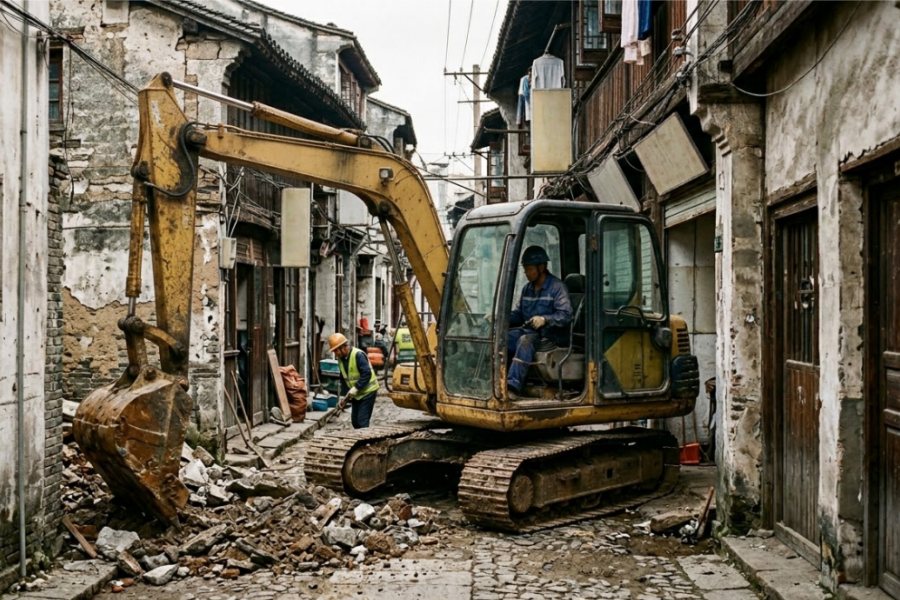
For such sites, small or medium crawler excavators are preferred due to their flexibility in confined spaces.
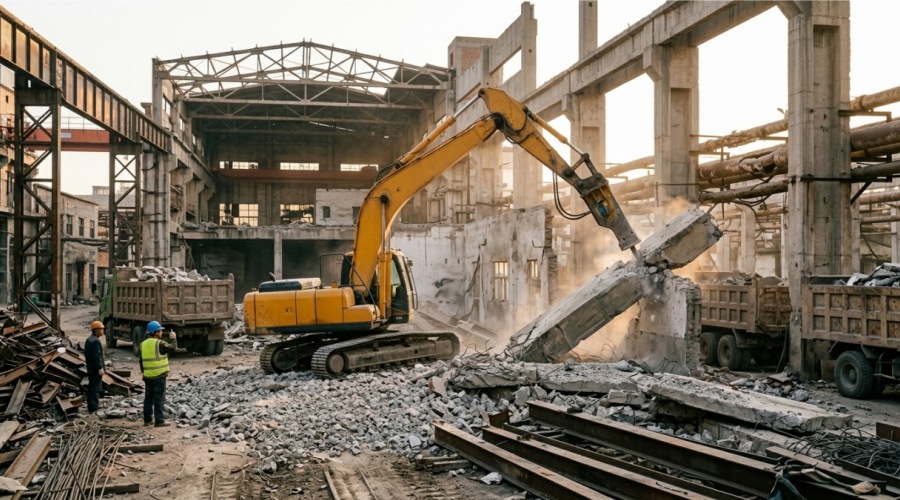
Choose powerful and stable excavator machines that can handle heavy-duty, continuous operations.
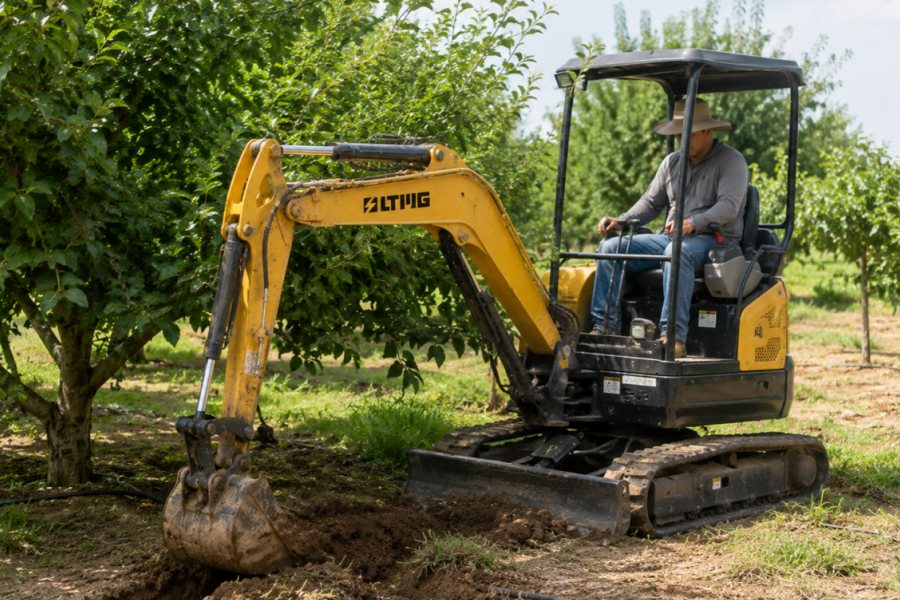
Small-tonnage compact excavator attachments for excavators are preferred for greater accuracy and maneuverability.
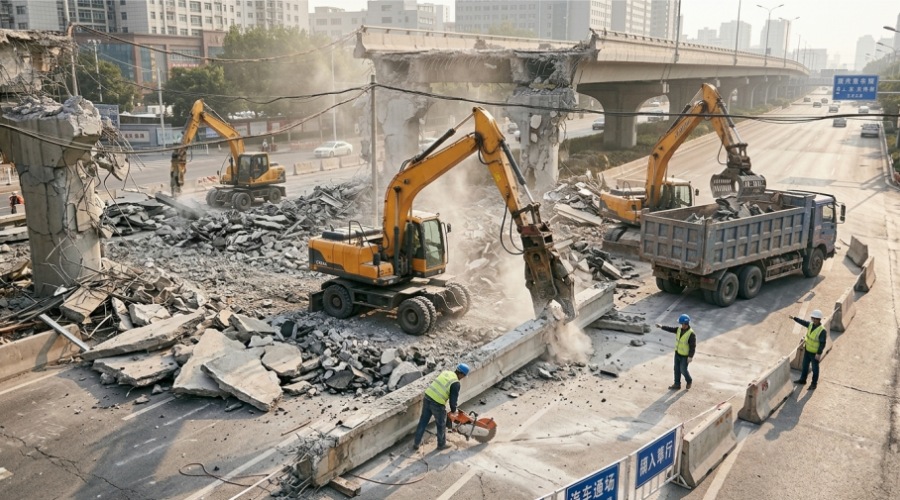
Wheel excavators are ideal for this scenario, providing efficient mobility between multiple work points.
Excavator Selection for Demolition (Crawler / Wheeled / Tonnage)
Differences in space, soil, and work intensity directly determine the type and tonnage of the excavator machine. Based on these factors, below is a detailed guide for selecting the right model.
Excavator Type and Soil Adaptation
First, you can determine the travel type of the excavator based on your actual working conditions, which is the first step in equipment selection.
It has a larger ground contact area, providing greater stability and allowing it to operate on muddy ground or in fields.
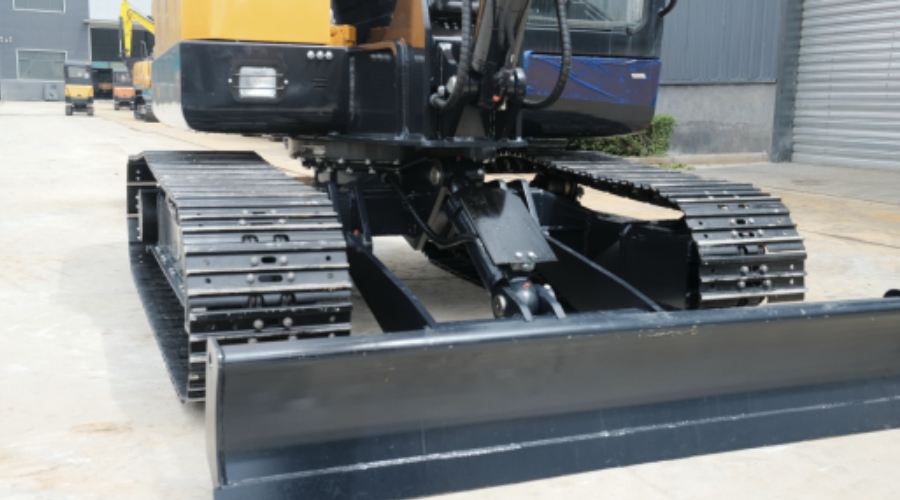
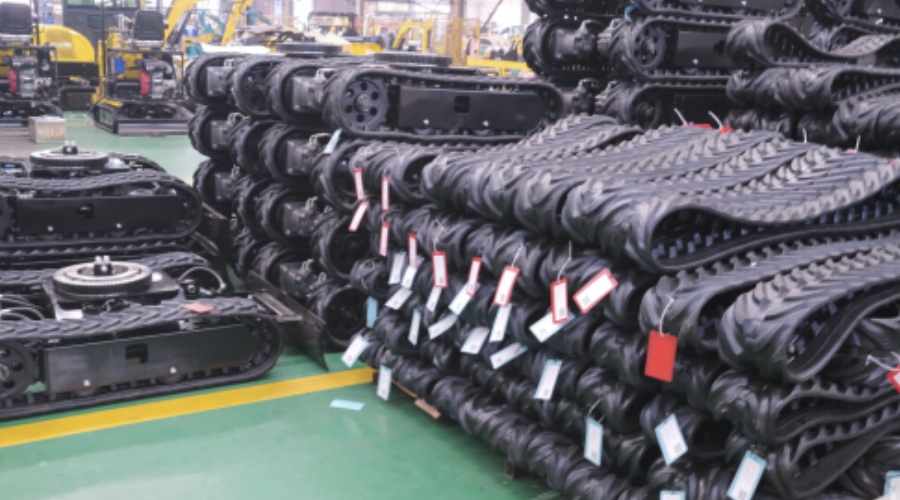
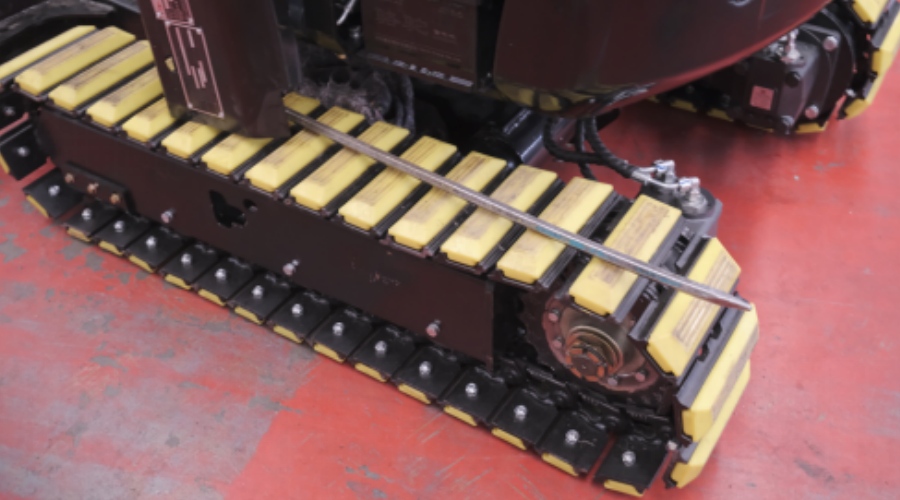
Crawler excavator tracks can usually be configured according to operational needs, and are mainly divided into three types: steel tracks, rubber tracks, and combination tracks that can be fitted with rubber pads.
|
Steel Tracks |
Rubber Tracks |
Detachable Rubber-Steel Tracks |
 |
 |
 |
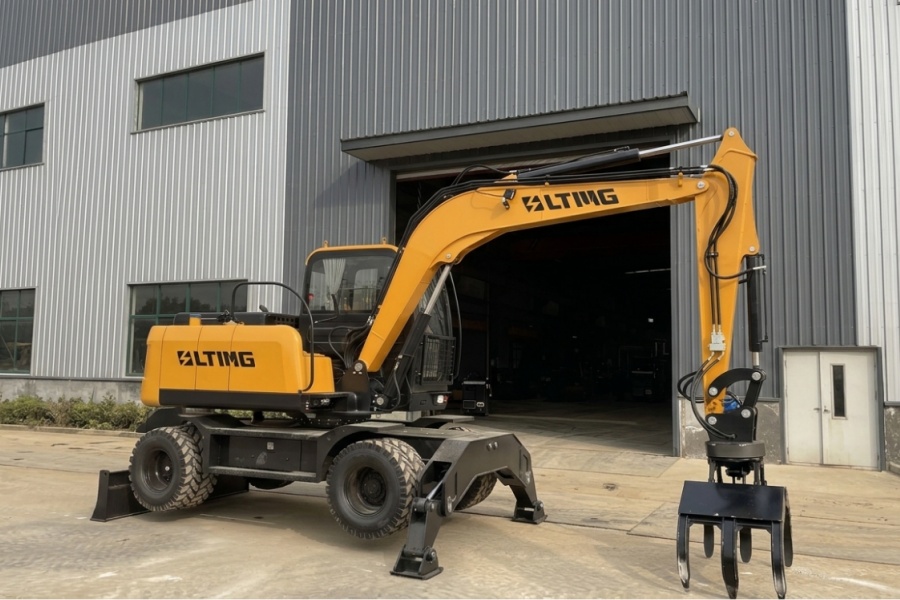
It is suitable for specialized working environments; with its fast travel speed, it is ideal for urban demolition and multi-site operations.
For dispersed city roads or renovation sites, wheel excavators are more advantageous.
The LTMG typical 8-ton wheel excavator is well-suited for urban demolition and multi-site operations. It is equipped with a WP2.3N engine, delivering a rated power of 55.4 kW, ensuring stable performance even under heavy-duty conditions. With a maximum digging height of 6,380 mm and a maximum dumping height of 4,700 mm, it offers significant advantages in high-reach demolition and material loading. It can quickly enter the job site and complete tasks efficiently.
For large concrete blocks and uneven terrain, crawler excavators offer better stability.
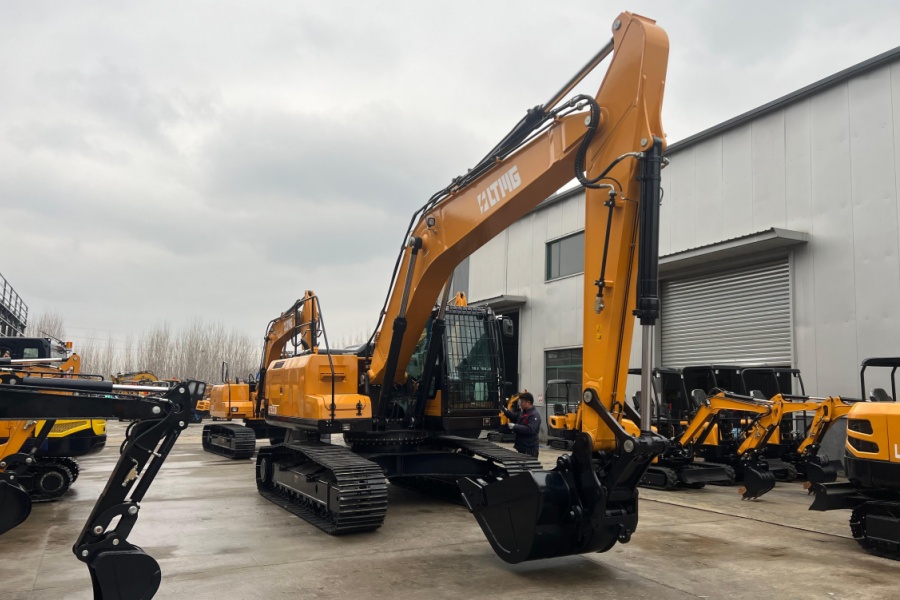
13.5 ton Hydraulic Crawler Excavator
The LTMG 13.5-ton medium crawler excavator is equipped with an ISUZU 4JJ1 engine, delivering a rated power of 73 kW. Compared with wheel models, it offers significantly higher power, making it more suitable for hard soil conditions or heavy-duty operations. It features a maximum bucket digging force of 91 kN and an arm digging force of 55 kN, ensuring strong excavation performance.
Indoor / Small Space Demolition
Small spaces require compact models that can rotate in place.
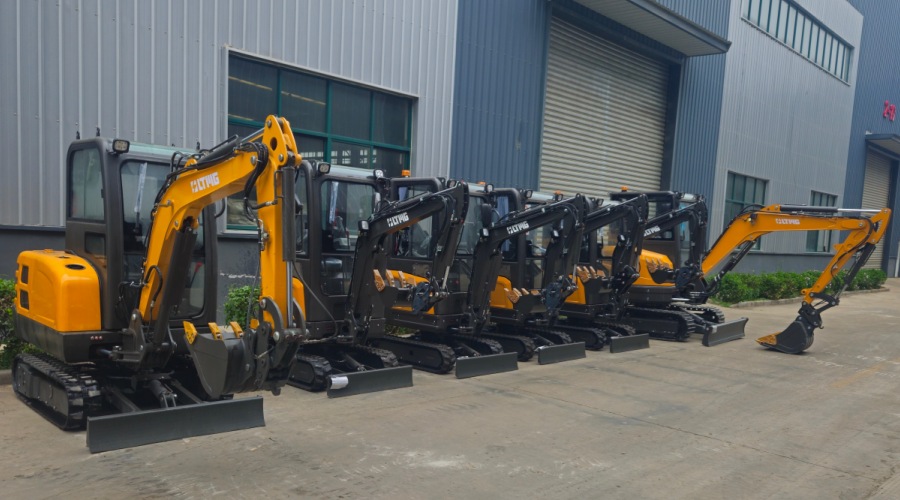
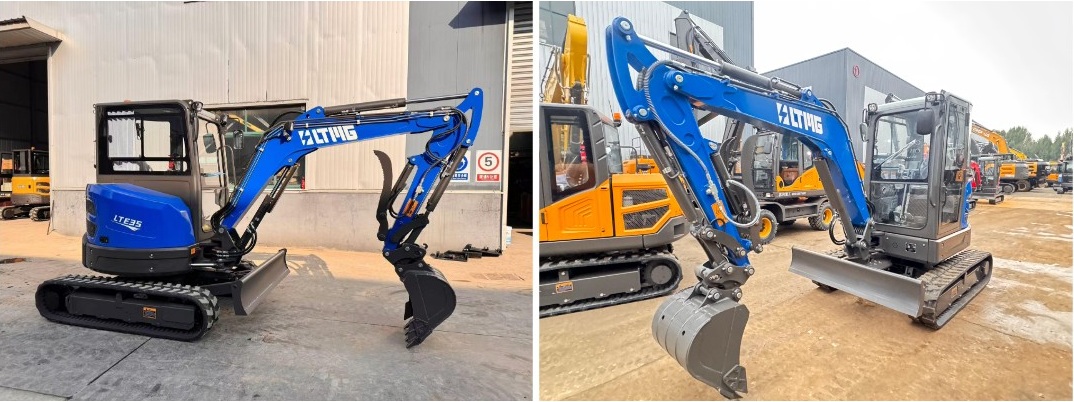
The LTMG 3.5-ton small excavator has an overall width of only 1,755 mm, allowing it to easily pass through most construction access routes. At the same time, it offers a maximum digging depth of 3,208 mm, combining a compact size with strong functionality.
3.5 Ton Small Tracked Excavator
The efficiency of an excavator machine depends not only on the model but also on the proper selection of excavator attachments. Different attachments, including bucket wheel excavator systems in large-scale applications, suit different tasks, directly affecting construction speed and cost.
Different attachments are suited to different demolition tasks, and proper matching can significantly improve efficiency and safety:
Rotating Stone/Scrap Steel Grapple
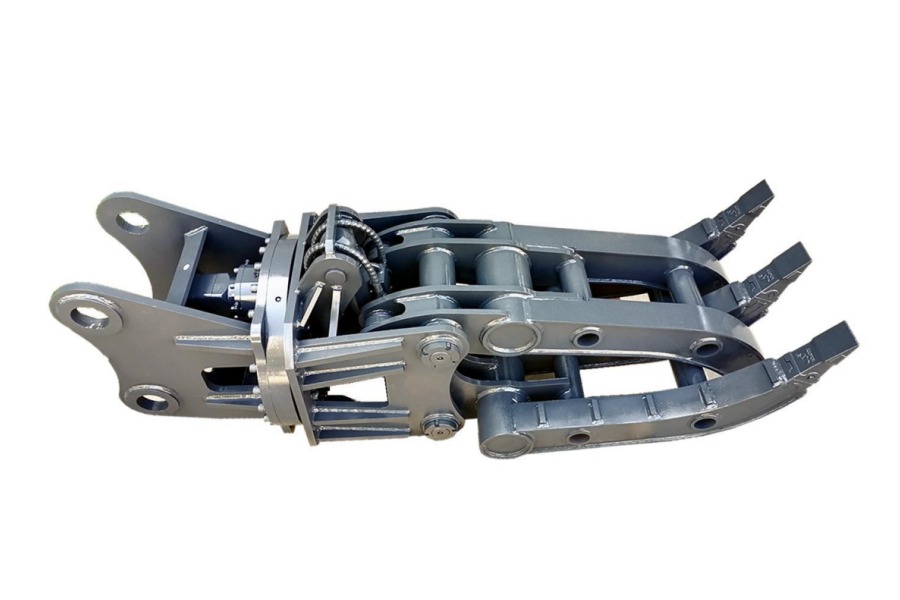
Orange Peel Grapple
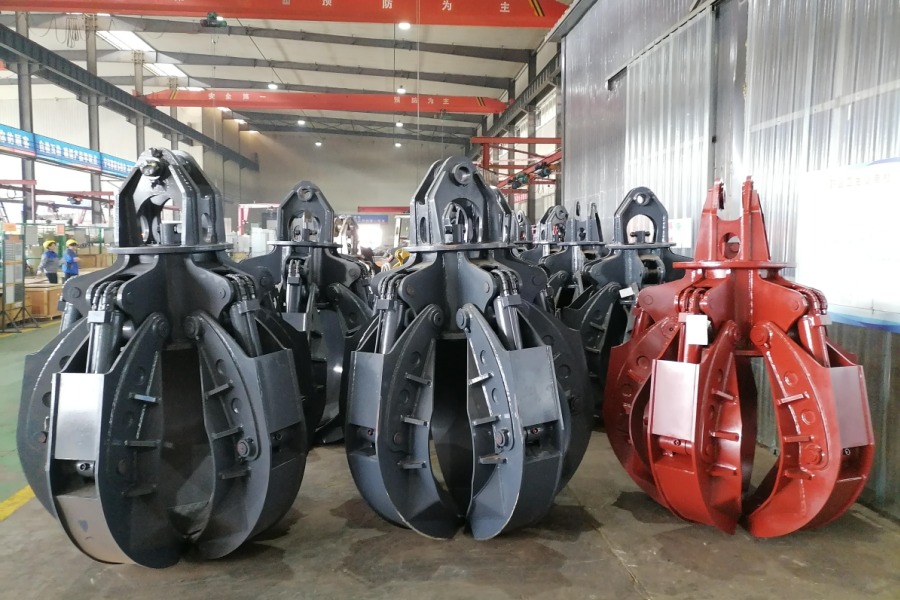
Hydraulic Breaker
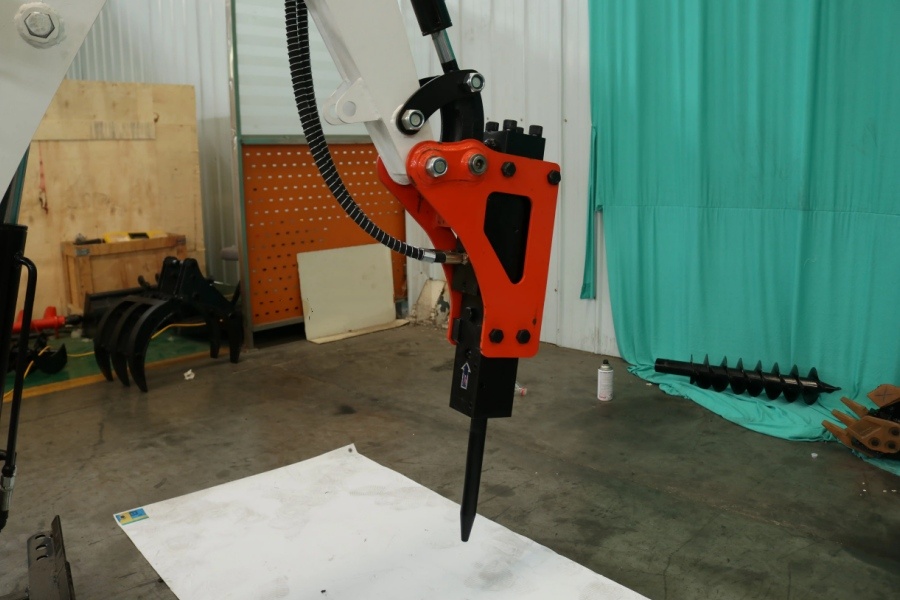
Selecting the right attachments can accelerate work and reduce equipment wear.
When selecting an excavator machine for demolition:
The right combination improves efficiency and reduces costs. If you are unsure about the optimal model or attachment combination, contact us for one-on-one selection advice. We will recommend equipment solutions tailored to your construction scenario.
FAQ
What is a crawler excavator?
A crawler excavator uses tracks for mobility, offering greater stability and a larger ground contact area. It is ideal for complex terrains like rubble, concrete blocks, and soft soil compared to wheel excavators.
Proper selection improves efficiency and reduces equipment wear and costs.
Tonnage is chosen based on demolition scale, and attachments like grapples or reinforced buckets are used to improve overall efficiency.
Tel : +86 195 5920 7570
Email : market@ltmg.com
Whatsapp : +86 195 5920 7570
Add : LTMG Group, Electronics City(Xiamen) International Innovation Center, No.23, Duiying Road, Jimei District, Xiamen, China


Get the latest Product Information & Offer Information



