In road construction and earthmoving projects, one of the most common questions contractors face is:
Should I use a bulldozer or a motor grader for leveling the ground?
In some projects, even after using a bulldozer for initial grading, the surface still cannot meet final flatness requirements. In other cases, customers are unsure whether they need to add a motor grader to achieve higher precision.
Based on LTMG’s global project experience, this issue is usually not about machine capability, but about matching the right equipment to the right construction stage.
Although both machines are used for ground preparation, they serve very different purposes.
So how should you choose in real construction projects? And when should bulldozers and motor graders work together?
A bulldozer and a motor grader are two essential machines used in different stages of road construction. Many users confuse their roles, which often leads to inefficient equipment selection or unsatisfactory results.
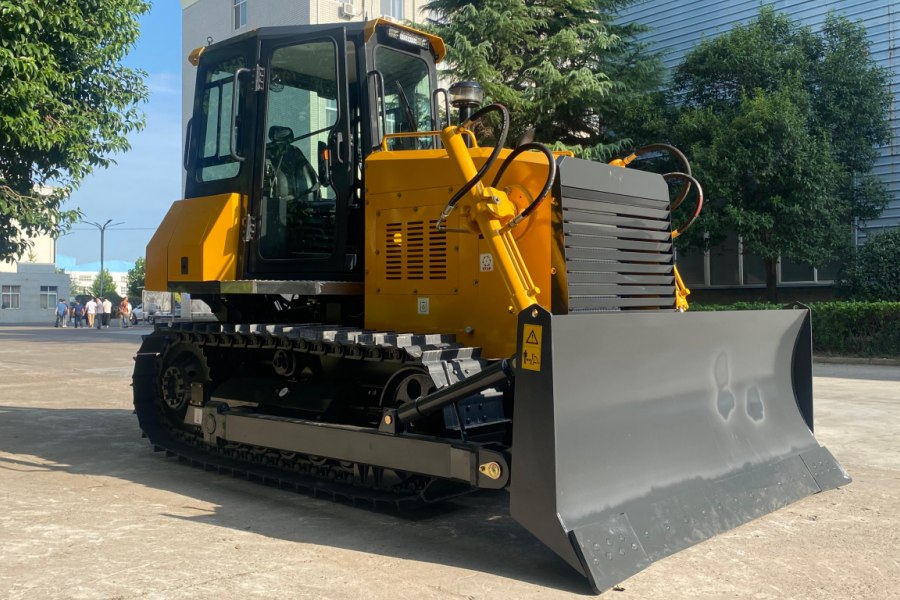
A bulldozer is a heavy-duty earthmoving machine designed for pushing, cutting, and relocating large volumes of soil.
Its main function is not precision leveling, but rapid terrain shaping and earthwork preparation.
In road construction, a bulldozer is typically used in the early stage for:
In simple terms, a bulldozer turns raw land into a workable construction foundation.
It is commonly referred to as a crawler dozer in many engineering projects.
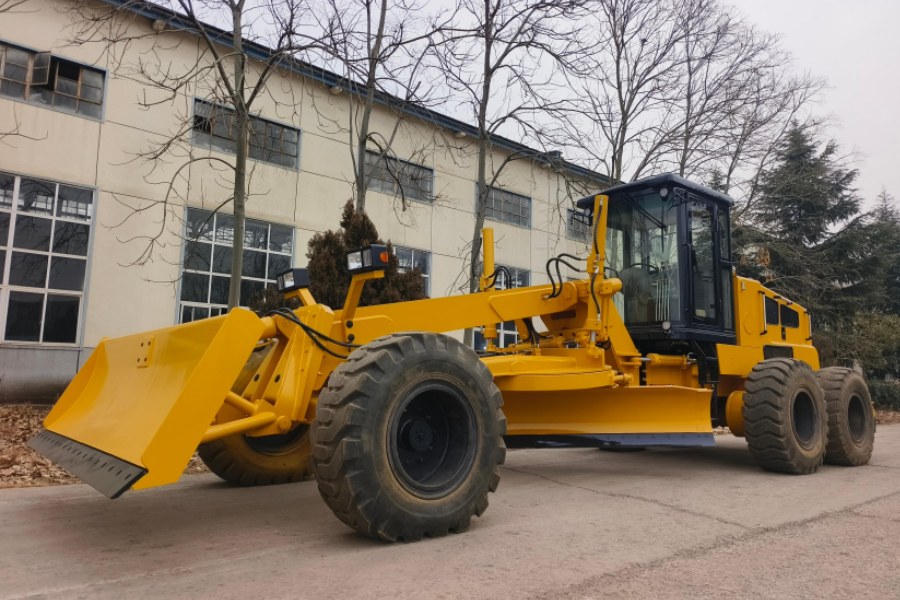
A motor grader is a precision finishing machine used for fine grading work. Unlike bulldozers, its strength is not in material movement but in accuracy and surface control.
It is mainly used in the middle and final stages of road construction.
Typical applications include:
In simple terms, a motor grader refines an already formed surface into a standardized and precise roadway.
|
Category |
Bulldozer |
Motor Grader |
|
Main function |
Earthmoving & shaping |
Precision finishing |
|
Construction stage |
Early stage |
Middle & final stage |
|
Focus |
Power & efficiency |
Accuracy & control |
|
Output goal |
Form basic terrain |
Achieve road standard |
|
Replaceability |
Cannot replace grader |
Cannot replace bulldozer |
In real construction scenarios, you can use a simple decision logic:
In short:
In road construction, the key is not what machines can do, but whether they are used in the correct stage.
LTMG provides both bulldozers and motor graders designed for different construction phases: earth formation and surface finishing.
Ideal for:
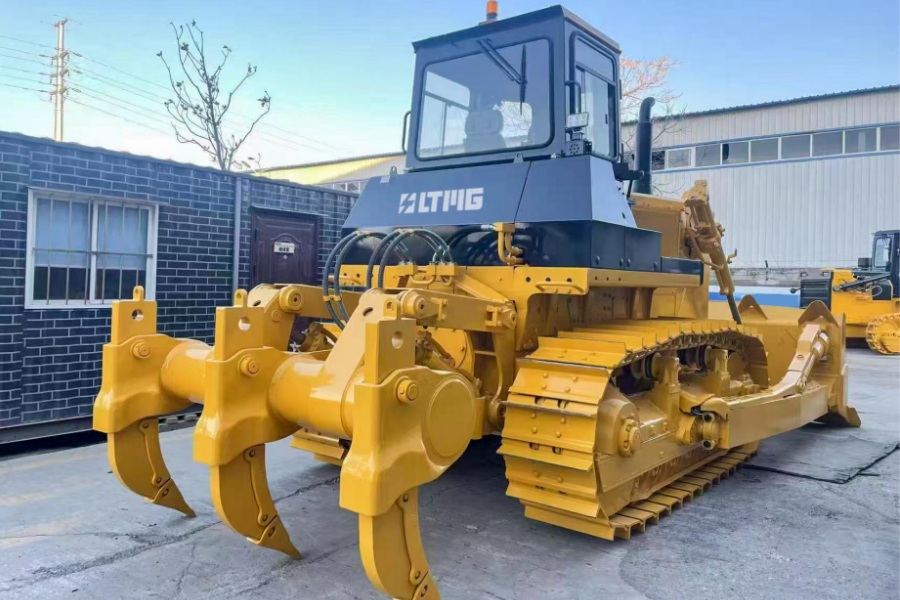
Featured model: LTMG T220 bulldozer
This machine is equipped with a Cummins NT855-C280S10 engine (175kW), with an operating weight of 23.5 tons and a 6.4m³ large-capacity blade.
It delivers strong productivity for heavy earthmoving tasks, with a maximum traction force of 202kN, ensuring stable performance in demanding conditions.
Product link: 220HP Bulldozer with Cummins Engine
Ideal for:
Ideal for:
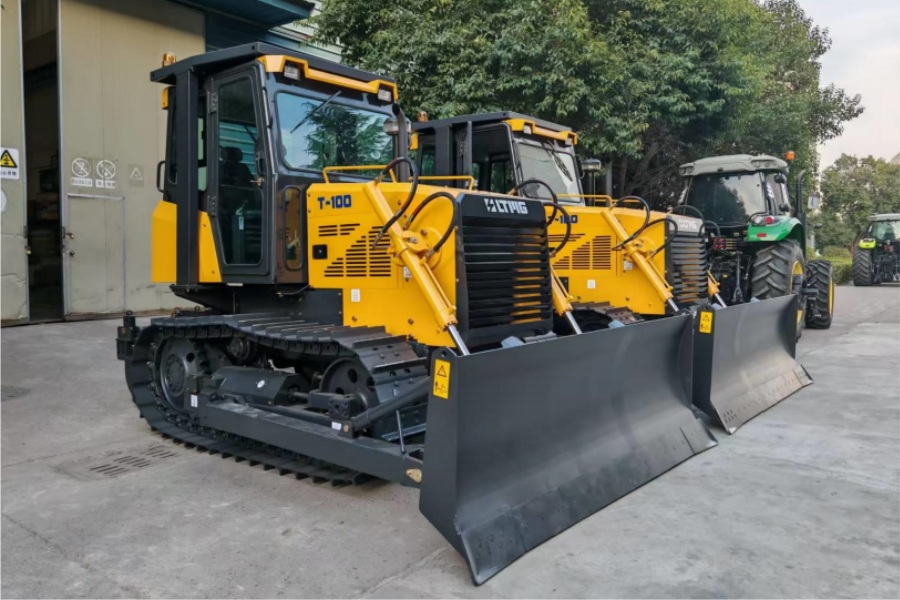
Featured model: LTMG LG180 motor grader
This model is powered by a 132kW (180HP) Cummins 6BTA5.9 engine, with an operating weight of 16 tons and a 3965mm moldboard.
It provides excellent grading efficiency and surface precision, with a maximum travel speed of 38.2 km/h, improving overall construction efficiency.
Product link: Powerful 180HP Motor Grader
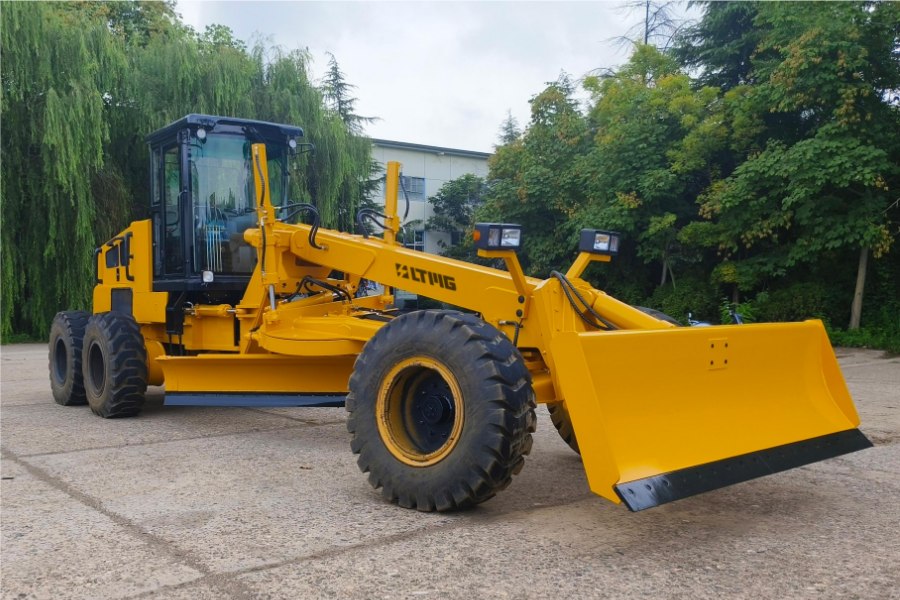
Both bulldozers and motor graders are suited to different construction stages and tasks. Choosing the right equipment not only improves construction efficiency, but also helps reduce rework and additional costs.
In road construction projects, issues are often not caused by machine performance, but by incorrect equipment selection or improper working sequence.
Based on LTMG experience, the following are the most common mistakes that lead to rework and higher costs.
After initial earthmoving with a bulldozer, some projects continue using it for final surface finishing.
However, bulldozers are designed for rough grading, not precision work. They cannot provide accurate slope control or surface finishing, which often results in uneven roads and poor drainage.
Using a motor grader before the subgrade is stable or properly compacted can reduce grading accuracy.
Although the machine can operate, unstable ground makes it difficult to achieve the required precision and may affect overall efficiency.
In road construction, correct sequencing is critical.
Even high-performance machines like a crawler dozer or road grader cannot deliver good results if used at the wrong stage. Proper workflow ensures better quality and fewer rework costs.
In road construction and earthmoving projects, bulldozers and motor graders serve completely different purposes.
If you are planning a road construction project but are unsure how to configure your equipment, LTMG can provide tailored solutions based on your working conditions, helping you reduce trial-and-error costs and improve efficiency.

A bulldozer is an earthmoving machine used for pushing, clearing, and shaping soil. It is widely used in road construction, mining, and site preparation. It is mainly used in the early stage of projects to create a workable base for further construction.
Before operating a crawler dozer, check fuel, hydraulic systems, and track conditions. After startup, control direction, speed, and blade position to perform pushing and leveling tasks.
Operators should be professionally trained and follow the equipment manual strictly to ensure safety and efficiency.
A motor grader is a precision grading machine used for leveling surfaces and controlling slope. It is commonly used in road construction and finishing work to ensure smoothness and drainage accuracy.
Tel : +86 195 5920 7570
Email : market@ltmg.com
Whatsapp : +86 195 5920 7570
Add : LTMG Group, Electronics City(Xiamen) International Innovation Center, No.23, Duiying Road, Jimei District, Xiamen, China


Get the latest Product Information & Offer Information



