In the selection process of a wheel loader, many users tend to focus on price, tonnage, or appearance. However, in real-world applications, these surface-level factors cannot fully reflect the actual performance of a machine under specific working conditions.
Based on LTMG’s global experience in construction machinery projects, different job sites require different performance configurations. Relying only on a single parameter when choosing a wheel loader for sale can easily lead to mismatched efficiency and higher operating costs in later use.
Below are five of the most common selection mistakes that often affect equipment performance and productivity.
Many buyers assume:
“A 7-ton wheel loader is always stronger than a 5-ton model.”
While this may seem logical, it is not always accurate in real applications.
The actual performance of a wheel loader depends on both tonnage and working condition compatibility. Tonnage is only a basic indicator; the key is whether the machine matches the jobsite requirements.
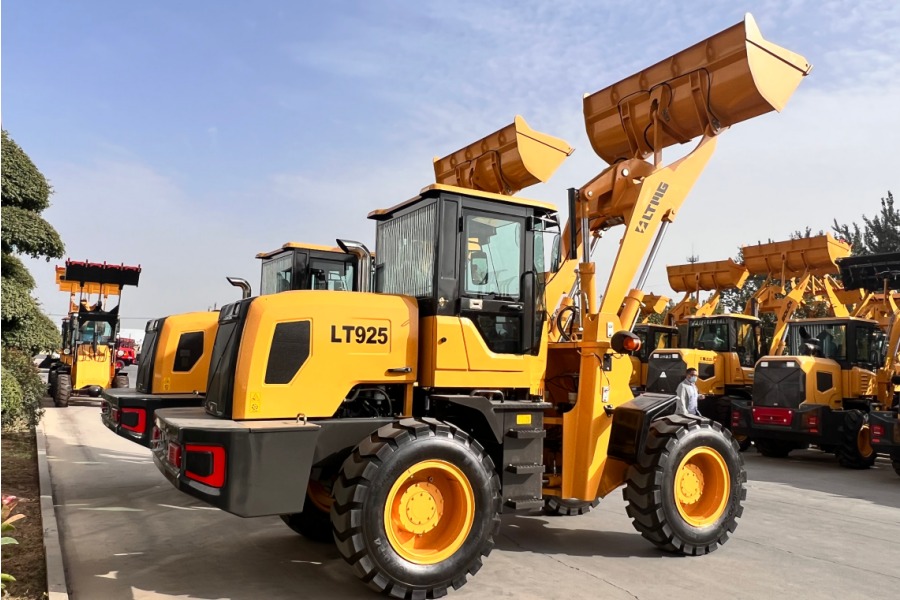
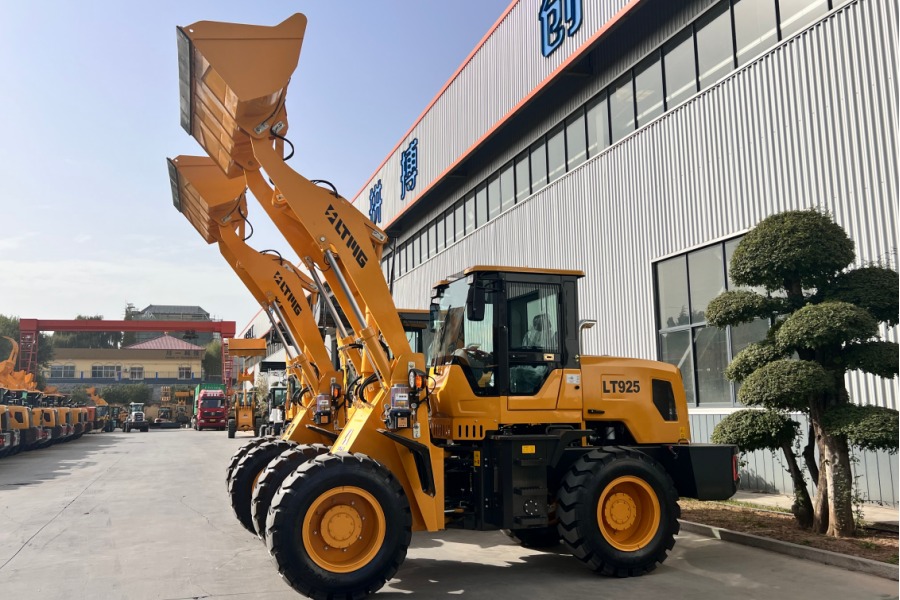
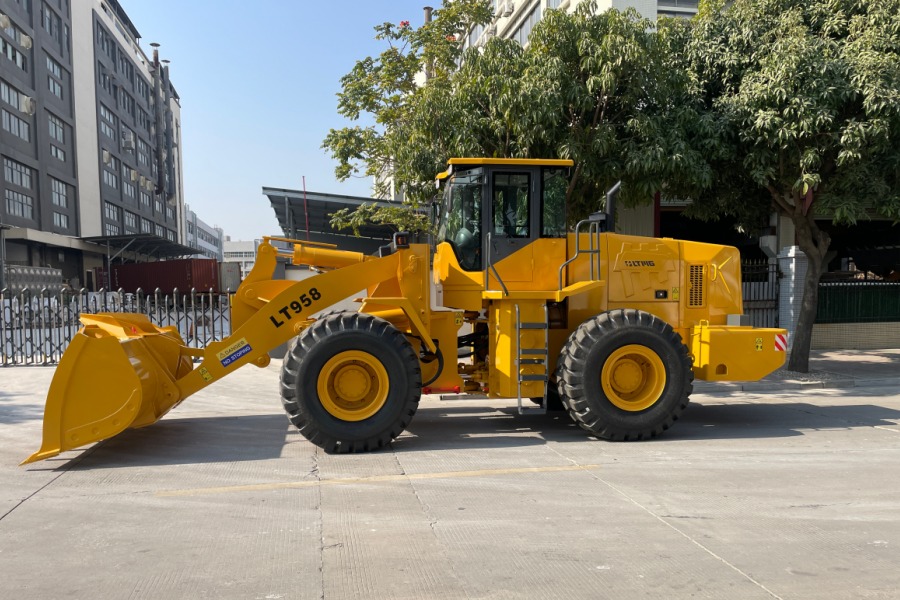
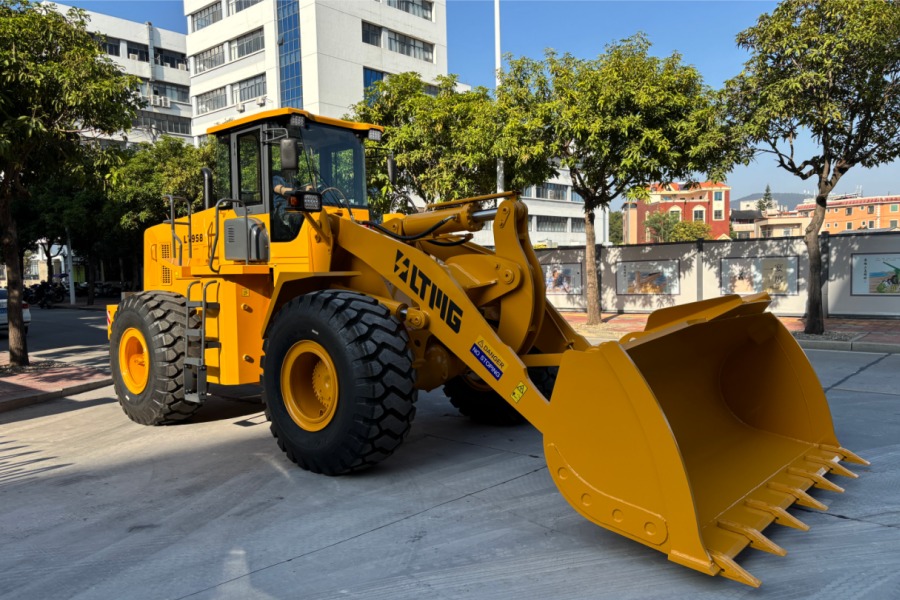
In the LTMG product line, models such as LT925, LT958, and LT978 are not simply scaled-up versions of each other. They represent three different application levels for different working intensities:
LT925 (2.5 ton) – Light Duty Mini Wheel Loader Segment
A compact and flexible mini wheel loader designed for low-load, high-frequency operations such as:
Core advantages:
Its strength lies not in heavy lifting, but in efficiency and flexibility.
LT958 (5 ton)– Standard Wheel Loader for General Construction
This is the most widely used segment of the wheel loader for sale market, suitable for:
Core advantages:
This is often the most frequently selected wheel loader class in real projects.
LT978 (7 ton class)– Heavy Duty High-Capacity Wheel Loader
Designed for large-scale and heavy-duty applications such as:
With specifications such as 7-ton load capacity, 4–6 m³ bucket, and high-power engine systems, this wheel loader for sale focuses on:
Its core value is production output per hour, not operational flexibility.
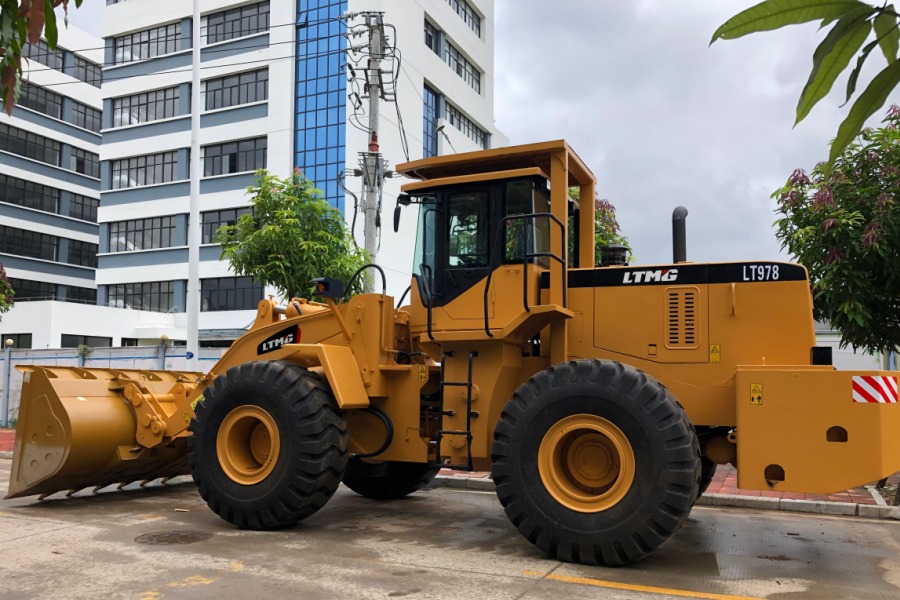
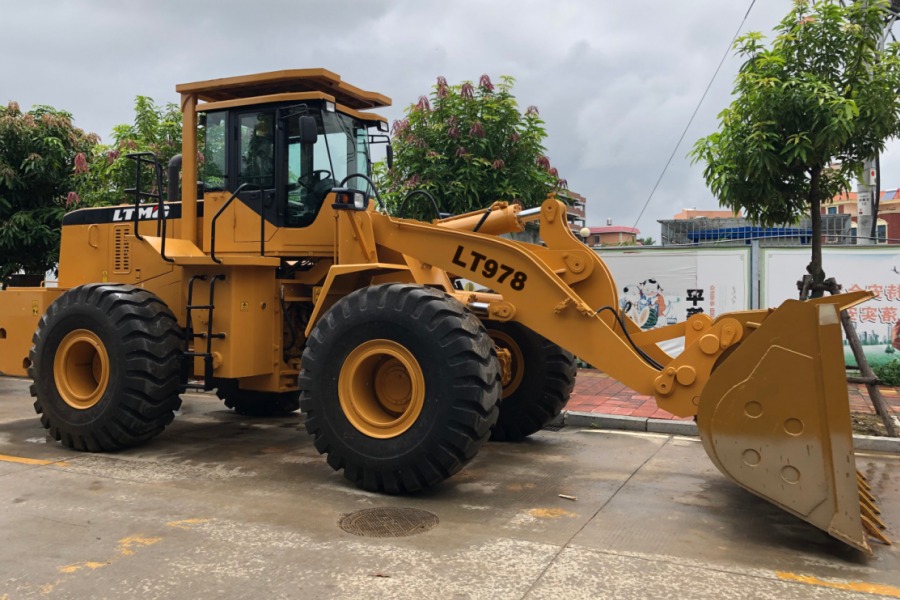
Same “tonnage upgrade,” the actual differences are:
Therefore, in the selection process of wheel loaders, tonnage alone should not be used as the sole criterion, and it is not recommended to blindly pursue larger models. Instead, the focus should be on matching the equipment to the specific working conditions and job requirements.
An increase in tonnage does not necessarily lead to higher efficiency. In mismatched operating conditions, it may actually result in higher fuel consumption, reduced operating efficiency, and increased overall operating costs.
Many users assume:
“Same tonnage means similar efficiency.”
In reality, productivity depends on:
Single load volume × cycle speed
This is where bucket capacity plays a critical role for any wheel loader.
|
Model |
Tonnage |
Bucket Capacity |
Work Characteristics |
Suitable Applications |
|
LT925 |
2.5 ton |
1.3 m³ |
High flexibility, fast cycles |
Farms, small sites |
|
LT958 |
5 ton |
3 m³ |
Balanced performance |
Aggregate yards, batching plants |
|
LT978 |
7 ton |
4–6 m³ |
High-capacity loading |
Mining, large-scale yards |
Although larger wheel loaders typically come with bigger buckets, bucket size must always match rated load capacity.
Oversized buckets may lead to:
Faster wear of hydraulic and structural components
When choosing a wheel loader, many users focus on engine power alone. However, the hydraulic system determines the real working efficiency.
The hydraulic system of a wheel loader’s working attachment is primarily responsible for controlling:
Its performance is typically evaluated through three key time indicators:
The total of these three times directly forms the core operating cycle time of a complete working process.
The shorter the cycle time, the more operating cycles the machine can complete within a given period, and the higher the overall efficiency.
Only when the hydraulic response speed is properly matched with the entire machine can the equipment achieve high efficiency and stable performance in real working conditions.
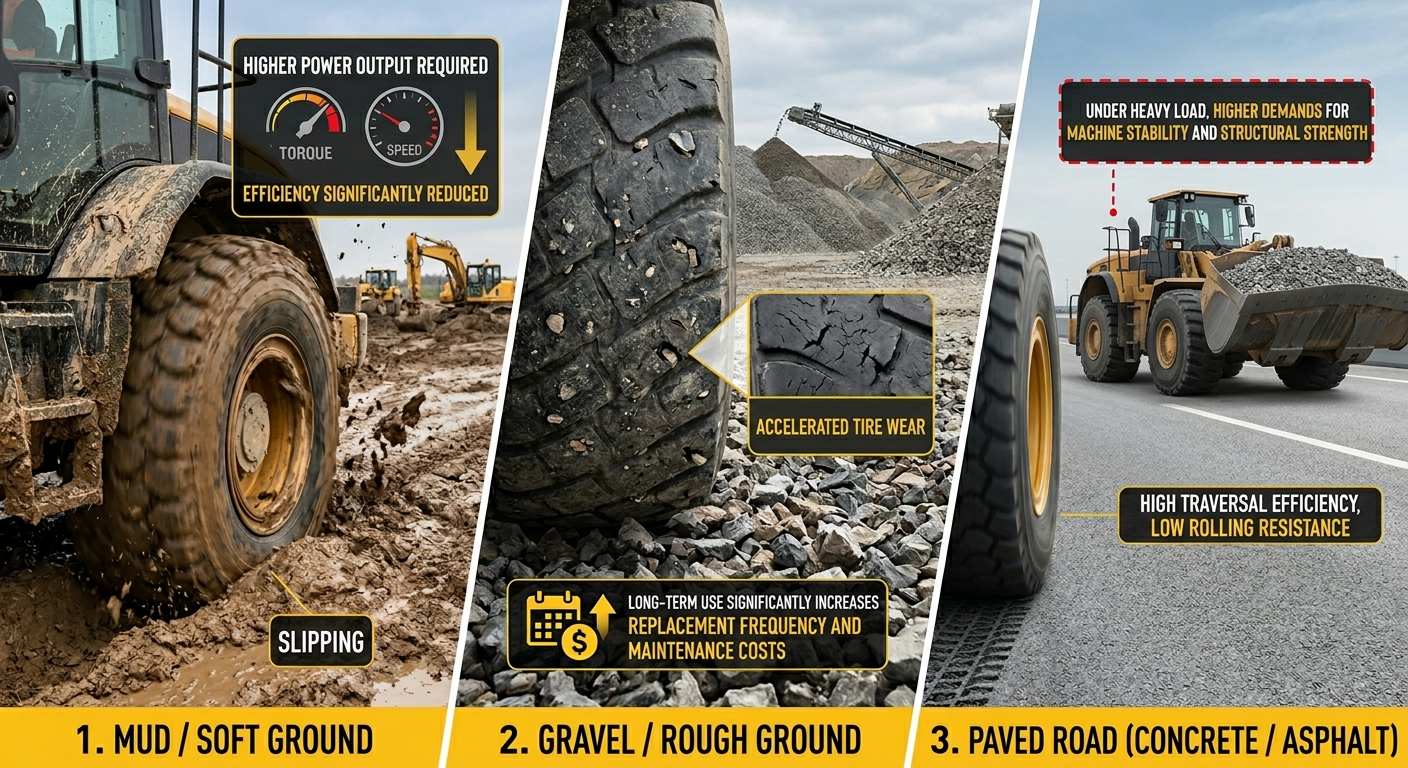
A wheel loader for sale must be selected based on the actual working surface.
Different ground conditions significantly affect performance:
Ignoring ground conditions may result in:
Many buyers compare only the initial price when selecting a wheel loader for sale, but real cost includes:
In long-term operations, these hidden costs often exceed the initial price difference.
From LTMG’s design philosophy, modern wheel loaders are optimized not only for performance but also for lower lifecycle cost and higher operational efficiency.
Selecting the right wheel loader is not about choosing the biggest or the most expensive machine. It is about matching the equipment to real working conditions.
Whether you are looking for a mini wheel loader for small sites or a heavy-duty model for mining operations, the key is to ensure proper alignment between:
Work condition + machine capability + efficiency requirement
If you are evaluating a wheel loader for sale or unsure which model best fits your project, LTMG team can provide tailored recommendations based on your specific application needs, helping you achieve the best balance between productivity and cost.

Tel : +86 195 5920 7570
Email : market@ltmg.com
Whatsapp : +86 195 5920 7570
Add : LTMG Group, Electronics City(Xiamen) International Innovation Center, No.23, Duiying Road, Jimei District, Xiamen, China


Get the latest Product Information & Offer Information



