Common Self-Loading Concrete Mixer Problems and How to Prevent Them
Aug 28, 2026
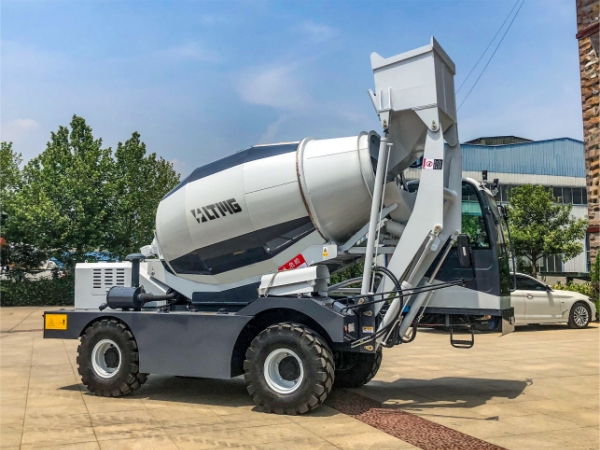
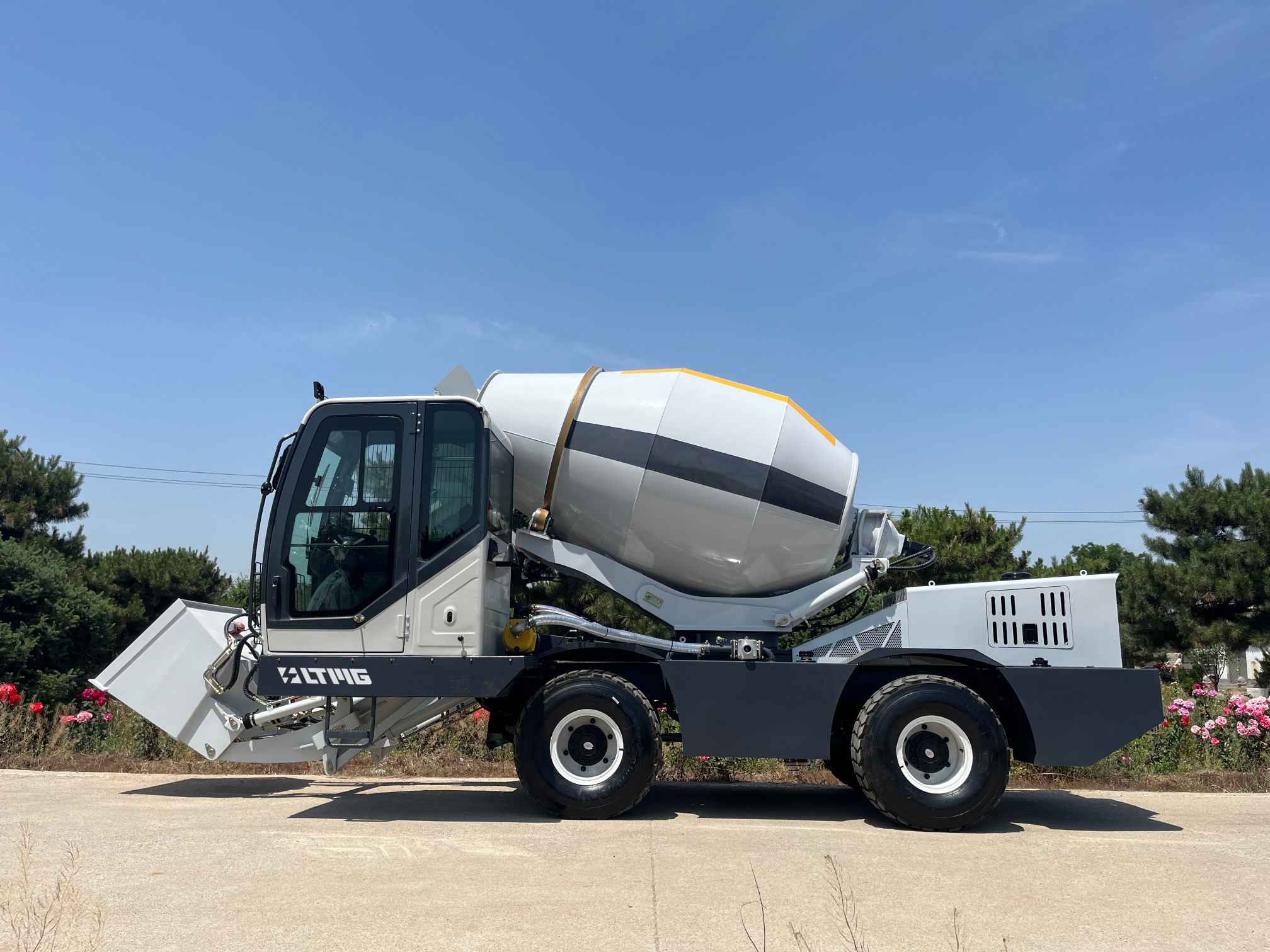
A self-loading concrete mixer integrates loading, weighing, mixing, transportation, and unloading into a single machine. This makes it especially suitable for road construction, residential projects, rural infrastructure development, and job sites located far from ready-mix concrete plants.
However, integrating multiple functions into one machine also means that the engine, hydraulic system, mixing system, and loading mechanism are closely interconnected. Once one system develops a problem, it may affect loading, mixing, or even the operation of the entire machine.
Common self loading concrete mixer problems include the mixing drum failing to rotate, slow hydraulic movements, engine overheating, loading system malfunctions, inaccurate weighing, and poor concrete mixing performance. Many of these problems show warning signs before they cause complete machine downtime, which is why timely inspection and proper maintenance are important.
Below are some common self-loading concrete mixer problems and preventive measures that may help operators reduce downtime and keep the machine working efficiently.
1. Mixing Drum Does Not Rotate or Rotates Weakly
For machines with hydraulically driven mixing drums, troubleshooting should usually begin with the hydraulic system.
Insufficient or contaminated hydraulic oil, clogged filters, and problems with the hydraulic pump, motor, or control valve can all reduce power output. In addition, long-term overloading and large amounts of hardened concrete accumulated inside the drum can significantly increase rotational resistance.
When this problem occurs, first check the condition and level of the hydraulic oil, inspect external pipelines for leaks, and look for any obvious obstruction around the mixing drum.
If these basic checks do not identify the cause, do not continue forcing the drum to operate. Increasing hydraulic pressure without proper diagnosis is also not recommended. Instead, the hydraulic pump, motor, and reduction mechanism should be inspected further.
During daily operation, maintaining the hydraulic system according to the manufacturer's requirements and cleaning the mixing drum promptly after each job are effective ways to prevent this type of problem.
2. Hydraulic System Operates Slowly or Lacks Power
The hydraulic system is an important part of a self-loading concrete mixer. Components such as the loading bucket, loading arm, and mixing drum may all depend on hydraulic power. Therefore, when hydraulic performance declines, the problem often affects several functions rather than just one.
For example, the loading bucket may take noticeably longer to lift, the mixing drum may rotate weakly, or the hydraulic oil temperature may rise significantly after the machine has been operating for some time. These symptoms may indicate that the hydraulic system needs inspection.
Common causes include insufficient or contaminated hydraulic oil, clogged filtration systems, leaking hoses or seals, and wear in hydraulic pumps or control valves. During routine maintenance, pay close attention to the condition of the hydraulic oil, check hoses and fittings for leaks, and observe whether machine movements are noticeably different from normal operation.
Keeping the hydraulic oil clean is particularly important because contaminants entering the system can accelerate wear on precision components such as valves, pumps, and motors.
If a hose is damaged or high-pressure hydraulic oil is leaking, stop the machine immediately. Never use your hands to locate a high-pressure hydraulic leak. Pressure testing and repairs should be carried out by qualified technicians.
3. Engine Overheating
Engine overheating is more likely to occur on job sites with high temperatures and heavy dust, or when the machine operates under heavy loads for extended periods.
Low coolant levels, dirt and debris accumulated on the radiator surface, cooling system leaks, and problems with the fan, belt, water pump, or thermostat can all affect normal engine cooling. Continuous operation under excessive loads can also place additional pressure on the cooling system.
When a temperature warning appears, reduce the operating load and shut down the machine safely according to the operating instructions. After the engine has cooled sufficiently, check the coolant level, radiator, and any hoses or belts that can be safely inspected. Never open the cooling system while the engine is still hot.
For machines frequently operating in environments with sand, stone dust, or cement dust, radiator cleaning is especially important. If the engine continues to overheat frequently after cleaning and basic inspections, the cooling system and possibly the engine itself should be examined further.
4. Engine Is Difficult to Start
If a machine previously started quickly but gradually begins to crank slowly, requires several attempts to start, or fails to start completely, the problem should not simply be attributed to bad weather.
A weak battery, loose battery terminals, or corrosion can affect starter performance. A clogged air filter or contaminated fuel can also make the engine difficult to start.
In addition, problems with the fuel filter, starter motor, or fuel injection system may produce similar symptoms.
Start by checking warning indicators on the dashboard, battery connections, fuel supply, and air filters, as these items are relatively easy to inspect.
If the machine still cannot be started, especially when a high-pressure fuel system, fuel injector, or electronic control unit is suspected, professional diagnosis is recommended.
5. Loading Bucket or Loading Arm Operates Abnormally
The self-loading function is one of the key features that distinguishes this type of machine from conventional concrete mixer trucks. Therefore, problems with the loading system can directly reduce on-site concrete production efficiency.
Typical symptoms include the loading bucket lifting more slowly than usual, failing to reach its normal height, shaking during movement, or being unable to remain securely in position after being raised.
Because the loading mechanism is usually hydraulically driven, these problems may be caused by insufficient hydraulic pressure, internal cylinder leakage, control valve faults, or hydraulic hose leakage.
They may also result from worn pivot pins or from sand, aggregates, or hardened concrete obstructing the mechanism.
First, inspect the area around the loading mechanism for obvious foreign objects, leaks, or structural damage.
If the bucket lowers by itself, movement becomes uncontrollable, or critical structural components are damaged, stop operating the machine immediately.
Most importantly, never enter or work underneath a raised loading bucket or loading arm unless reliable mechanical support and proper safety isolation measures are in place.
6. Poor Mixing Performance or Uneven Concrete
Sometimes there may be no obvious mechanical failure, but the concrete produced becomes less uniform or requires significantly more mixing time than usual. This situation also deserves attention.
The problem does not necessarily come from the mixing drum itself.
Overloading, inaccurate water control, or errors in the weighing system can change the actual mix proportions. Abnormal drum speed, excessive material buildup inside the drum, or significant wear of mixing components can also affect mixing performance.
For this reason, troubleshooting should consider the loading quantity, weighing system, water supply system, and mixing system together rather than simply increasing engine speed or drum rotation speed.
Long-term overloading may not only reduce concrete mixing quality but also increase the working load on the hydraulic system and transmission components.
Therefore, when purchasing a self-loading concrete mixer, selecting the appropriate machine capacity based on actual concrete requirements per batch is also an important part of reducing future equipment problems.
7. Hardened Concrete Buildup Inside the Mixing Drum
Compared with many mechanical failures, concrete buildup is relatively easy to prevent. However, once residual concrete has fully hardened, removing it can become difficult.
As hardened concrete continues to accumulate, the effective internal capacity of the mixing drum gradually decreases. It also increases mixing resistance and may affect both mixing and discharge performance.
In severe cases, excessive buildup may even cause uneven loading of the mixing drum.
For this reason, cleaning the machine after every job is extremely important.
Do not wait until residual concrete has hardened before attempting to remove it. The mixing drum, discharge area, and loading mechanism should be cleaned while the remaining material is still easy to remove.
If a large amount of hardened concrete has already formed and mechanical removal is required, the machine should first be shut down and all relevant energy sources isolated according to maintenance procedures to prevent accidental drum movement.
Conclusion
Common self loading concrete mixer problems are often related to the mixing drum, hydraulic system, engine, loading system, and weighing system.
These problems usually do not occur without warning. Slower movements, unusual noises, oil leakage, rising temperatures, or drifting measurement data may all be early signs of equipment problems.
Routine inspections, keeping the hydraulic system clean, removing residual concrete promptly, and carrying out scheduled maintenance according to the manufacturer's requirements can help reduce unnecessary downtime.
For construction companies planning to purchase equipment, selecting the right machine capacity and configuration is equally important.
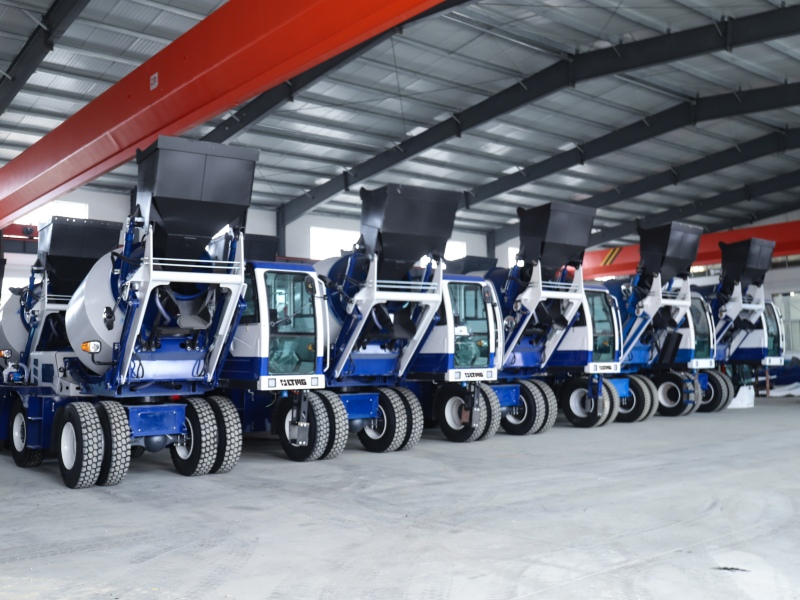
LTMG self-loading concrete mixers integrate loading, weighing, mixing, transportation, and unloading into one mobile machine. Different configurations can be selected according to the requirements of road construction, residential projects, and other on-site concrete production applications.
If you are currently looking for a self-loading concrete mixer, feel free to contact LTMG. We will recommend a suitable machine based on your project requirements.