In the rapidly evolving landscape of 2026 global agriculture, mechanization is no longer just about replacing manual labor—it is about optimizing the thin margins of agribusiness. Choosing an agricultural tractor is one of the most significant capital investments a farm will make.
However, a common pitfall for many managers is a mismatch between farm scale and machine specifications.
Underpowered Units: Lead to increased engine strain, frequent breakdowns, and missed planting or harvesting windows.
Overpowered Units: Result in excessive fuel consumption, higher insurance premiums, and unnecessary maintenance overhead.
This guide leverages industry expertise to help you balance horsepower, soil requirements, and Total Cost of Ownership (TCO) to ensure your next farm tractor is an asset, not a liability.
The size of your land is the primary determinant of the "class" of equipment you require. Below is a breakdown of how acreage typically dictates power requirements.
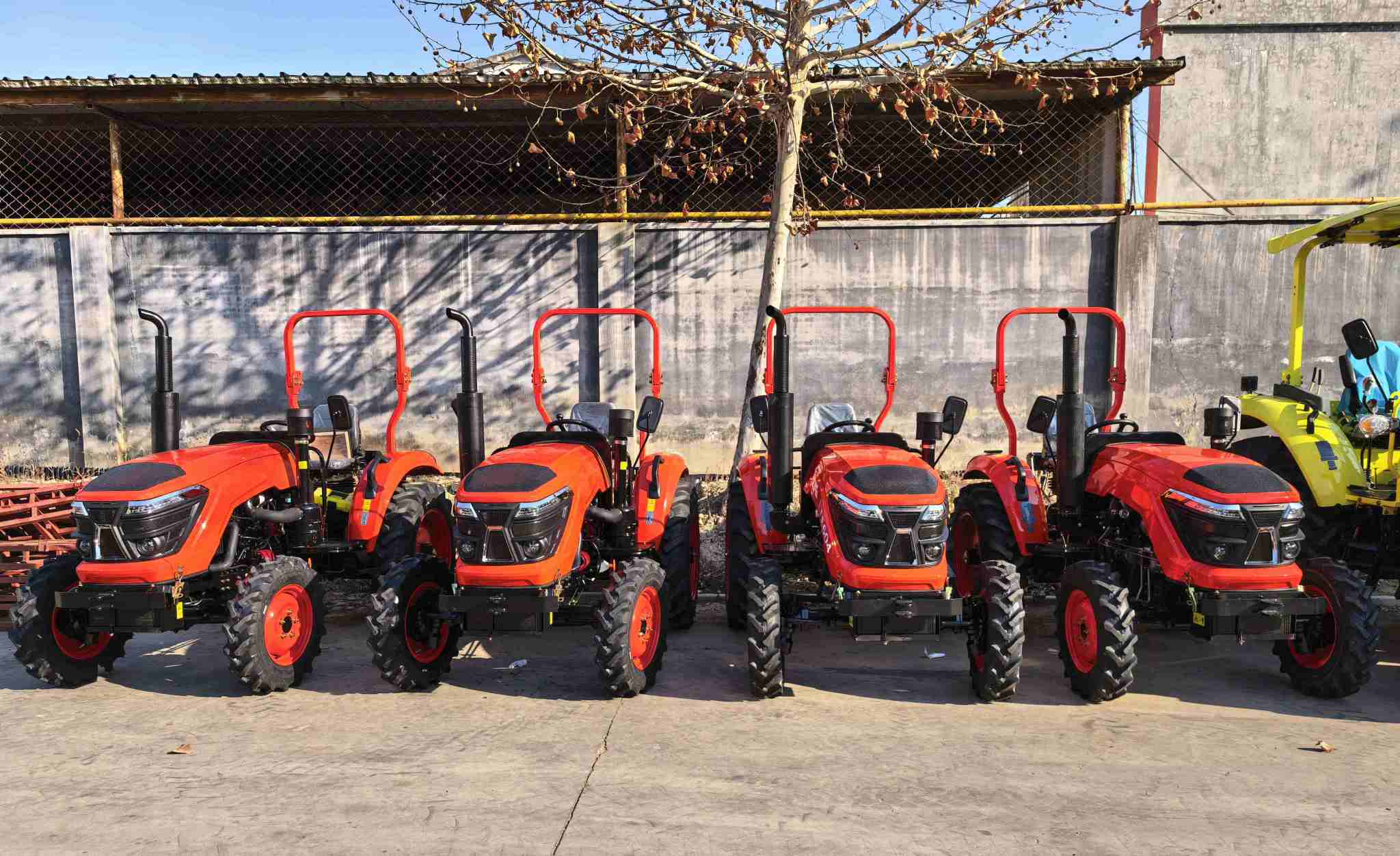
Recommended Power: 25–50 HP
Primary Applications: Orchards, vineyards, greenhouses, and small-scale vegetable rows.
Strategic Advantage: These compact units offer high maneuverability in tight spaces and significantly lower fuel consumption. They are ideal for light tilling, mowing, and spraying.
Recommended Power: 60–100 HP
Primary Applications: General grain farming, hay and forage production, and livestock management.
Strategic Advantage: This is the "utility" category. These tractors offer enough hydraulic flow to run medium-duty implements while remaining economical enough for daily chores.
Recommended Power: 100+ HP
Primary Applications: Large-scale row crops (wheat, corn, soy), heavy deep-plowing, and extensive hauling.
Strategic Advantage: High traction and advanced transmission systems allow these machines to pull wide-width implements, covering more ground in fewer passes—essential for weather-dependent windows.
| Farm Size (Hectares) | Recommended HP Range | Best Suited Crops | Key Feature Priority |
| 1 – 20 | 25 – 50 HP | Vegetables, Fruit, Berries | Turning Radius & Fuel Economy |
| 20 – 100 | 60 – 100 HP | Grains, Hay, Livestock | Versatility & Hydraulic Power |
| 100+ | 100 – 200+ HP | Corn, Wheat, Soybeans | Traction & GPS Compatibility |
While size provides a baseline, professional procurement requires a deeper look at the operational environment.
Selecting the drive system is a balance of upfront cost versus field performance.
A professional buyer looks beyond the sticker price. To calculate the true value of a tractor, consider the following:
The "right" tractor is the one that minimizes your cost per acre while maximizing your yield. By aligning your farm size with the appropriate horsepower and considering your specific soil and topography, you can secure a machine that powers your growth for a decade or more.
Need a Customized Material Handling or Agricultural Solution? Selecting the perfect farm tractor requires balancing technical specs with a realistic budget. Contact our expert team today for a tailored consultation, or download our 2026 Tractor Selection Catalog to compare the latest high-efficiency models.
Would you like us to provide a specific quote for a 50HP or 100HP model based on your current crop type?

Tel : +86 195 5920 7570
Email : market@ltmg.com
Whatsapp : +86 195 5920 7570
Add : LTMG Group, Electronics City(Xiamen) International Innovation Center, No.23, Duiying Road, Jimei District, Xiamen, China


Get the latest Product Information & Offer Information



